Gulf Monarchies Embrace Unthinkable Diplomatic Overtures
In July 2026, the death of Iran’s Supreme Leader Ali Khamenei triggered a powerful display of solidarity across the Arab world. Funeral processions in Tehran drew massive crowds, but the real shock came when Gulf Arab states defied diplomatic isolation to pay their respects. This unprecedented move revealed a dangerous shift in regional alliances, leaving the Gulf monarchies scrambling to reassess their security strategies.
Breaking news
 Deadly Glacier and Rock Collapse in Nepal Linked to Climate Warming
 US Congress Passes Sweeping Sanctions Against Russia
 Speaker Johnson Ends House Session Early to Halt Impeachment Effort
 The High-Stakes Fight for Senate Majority Control
The decision to attend Khamenei’s funeral marked a dramatic departure from years of severed ties following Iran’s regional interventions. Saudi Arabia, the United Arab Emirates, Kuwait, and Bahrain all dispatched high-level delegations, signaling a pragmatic acceptance that isolation would not protect them from Iranian influence. The gesture underscored how the escalating Iran conflict had fundamentally altered the calculus of Gulf security, forcing traditional rivals to prioritize survival over ideological differences.
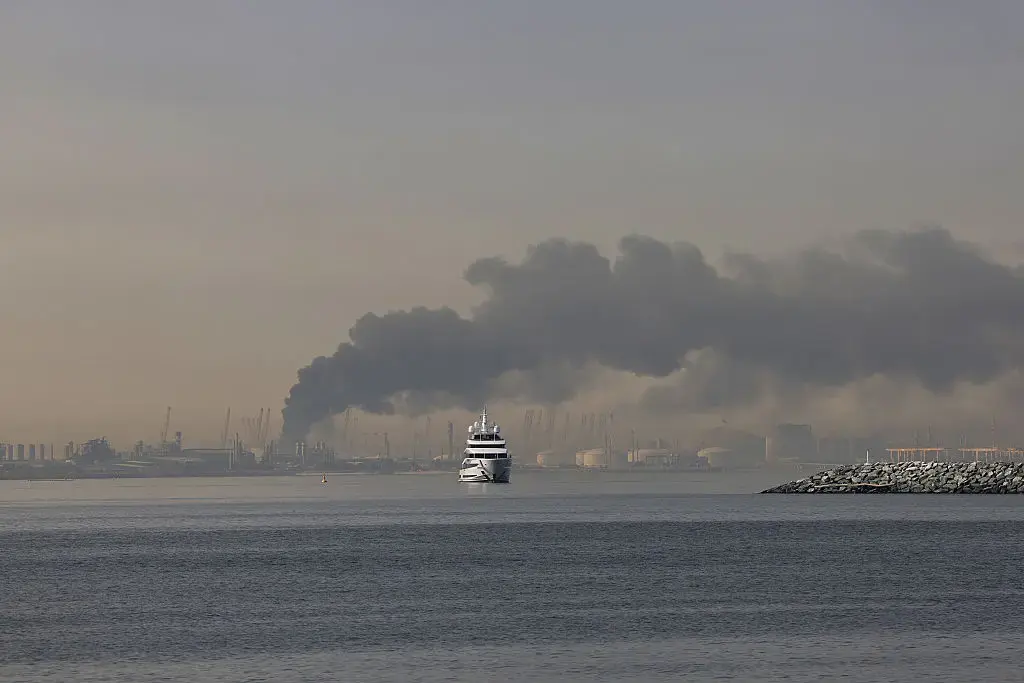
The funeral attendance was not merely ceremonial—it represented a strategic pivot. Gulf states had previously viewed Iran as an existential threat, supporting proxy conflicts from Yemen to Lebanon. Yet the March 2026 Iranian strike on Dubai’s Jebel Ali port, which damaged critical shipping infrastructure, demonstrated Tehran’s reach and capability to strike at the heart of Gulf commerce. Emirati officials privately acknowledged that their traditional security partnerships with the West were insufficient against Iranian retaliatory strikes.
Collective Security Becomes an Imperative
„We cannot afford to lose control of our maritime lifelines,” an Emirati security advisor told reporters anonymously. The advisor noted that Iran’s ability to project power through maritime operations had outpaced Gulf defensive capabilities. The UAE and Saudi Arabia began exploring unprecedented security arrangements, including potential coordination with regional powers like Egypt and Oman, to create a buffer against Iranian aggression.
The Gulf Cooperation Council (GCC) has long struggled with coordination, but recent events have made collective action unavoidable. Intelligence sharing between Gulf states has intensified, with real-time data on Iranian naval movements becoming standard practice. Kuwait has proposed a rotating command structure for Gulf security forces, while Bahrain has offered its naval facilities for joint operations.
„The era of individual security calculations is over,” stated a Saudi military analyst. „We need a credible collective defense mechanism that can respond to Iranian provocations within hours.” This new approach includes pre-positioned military assets, shared early warning systems, and coordinated diplomatic responses to Iranian moves.
Regional Realignment Threatens Existing Alliances
The implications extend beyond military strategy. Economic ties between Gulf states and Iran have quietly resumed in sectors deemed non-strategic, as nations recognize that economic engagement may prevent escalation. Trade officials confirmed that limited agricultural and pharmaceutical exchanges had restarted through Omani intermediaries.
The shifting dynamics challenge the traditional US-Gulf security architecture. American military presence in the region faces new scrutiny as Gulf states question whether external protection can adequately address Iranian threats. Some analysts suggest Gulf nations may need to develop independent deterrent capabilities, including advanced missile systems and cyber warfare units.
Looking ahead, the Gulf’s security future depends on balancing pragmatic engagement with Iran against maintaining essential Western partnerships. The funeral attendance was just the beginning of a fundamental reimagining of regional security that could reshape Middle Eastern politics for decades to come.
Frequently Asked Questions
Why did Gulf states attend Khamenei’s funeral despite previous tensions? Gulf Arab states recognized that diplomatic isolation would not protect them from Iranian power. Attendance signaled pragmatic acceptance that survival required engagement, even with former enemies.
What security measures are Gulf states implementing against Iran? Nations are enhancing intelligence sharing, creating joint military commands, and developing rapid response capabilities. Some are also exploring limited economic engagement to prevent escalation.
How has the US military presence in the Gulf changed? Gulf states are questioning whether American protection adequately addresses Iranian threats. This has led to discussions about developing independent deterrent capabilities and alternative security arrangements.