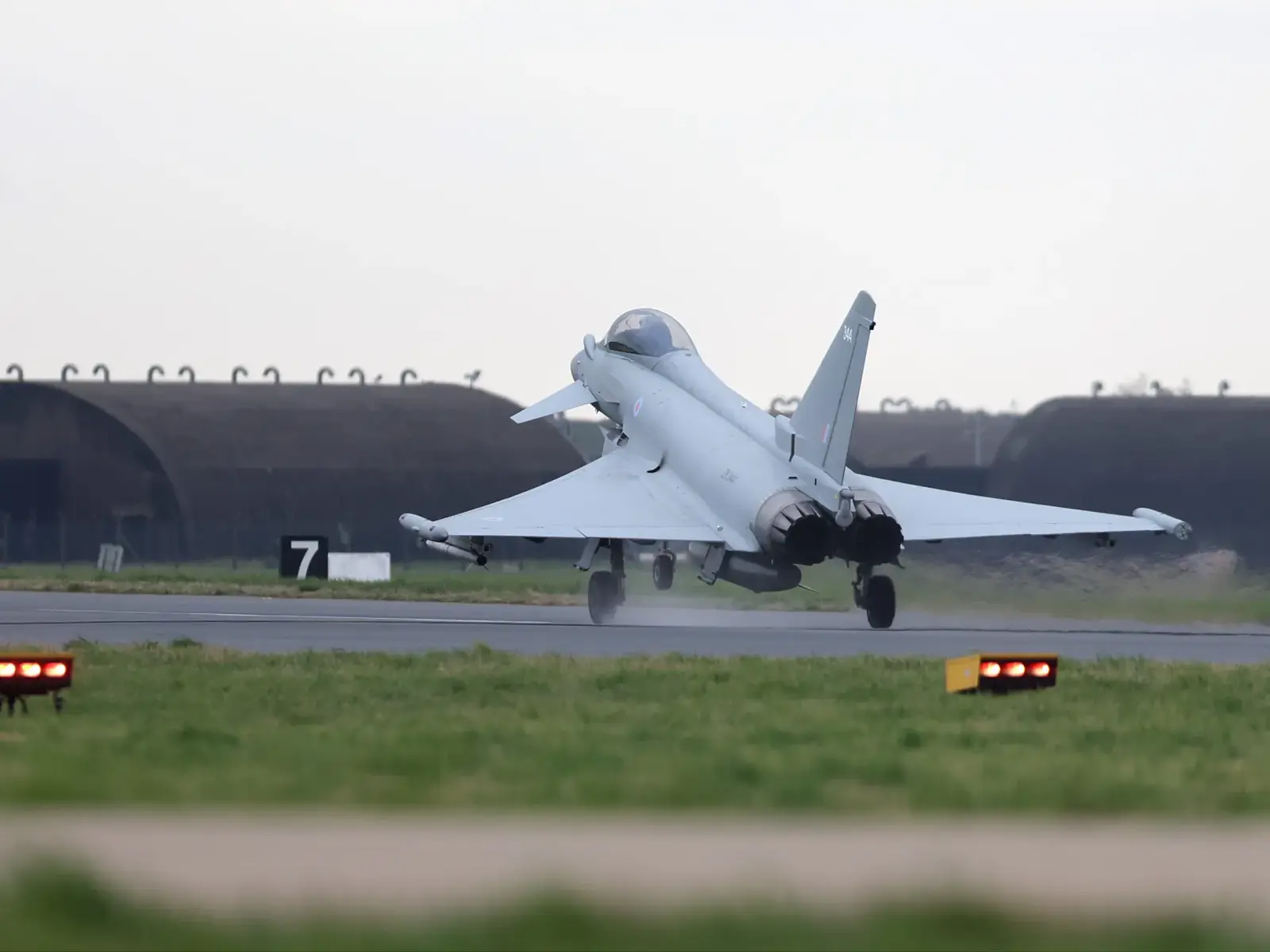
Defensive Posture or Strategic Trap?
France and the United Kingdom are deploying military assets to Saudi Arabia. This move strengthens defense ties with the kingdom. The action comes as tensions rise between Riyadh and the Houthis. The Houthi group, also known as Ansar Allah, operates primarily in Yemen. Both European nations claim their support remains strictly defensive. Analysts, however, worry about the potential fallout from this intervention. The escalating conflict now draws major Western powers closer to the frontline.
Breaking news
 Ronna McDaniel Weighs In on GOP's Path Forward
 Market Sentiment Shifts as S&P 500 Snaps Three-Day Losing Streak
 Voters Demand Stronger Congressional Oversight of Presidential Power
 Pelosi Looks Back, Sees Democratic Triumph Ahead
The deployment marks a significant shift in regional dynamics. Paris announced last week that it had begun sending assets to the Gulf state. London followed suit, reinforcing its own security commitments. These moves aim to protect Saudi infrastructure from Houthi attacks. The Houthis have targeted commercial shipping and energy facilities recently. European officials insist they are not entering the war directly. Instead, they focus on protecting their strategic partners in the region.
Military experts question whether the label defensiveholds up under scrutiny. Sending fighter jets and naval vessels increases the risk of engagement. If a Houthi missile hits a French or British asset, retaliation becomes likely. This creates a feedback loop that could widen the conflict. The Houthis view these deployments as a direct challenge to their leverage. They may respond with more aggressive strikes against European interests.
Will the Houthis Escalate Their Response?
Historically, Europe has avoided deep involvement in Yemen’s civil war. This new approach signals a change in policy. The UK and France seek to secure trade routes through the Red Sea. Stability in the Gulf protects global oil supplies. By aligning closely with Saudi Arabia, Europe safeguards its economic lifelines. However, this alignment also binds them to Riyadh’s strategic choices.
The armed group has demonstrated resilience in previous confrontations. They possess advanced missile technology and drone capabilities. A stronger European presence might provoke a bolder Houthi strategy. Analysts predict increased targeting of naval convoys. The Houthis may also expand their attack range to include European ports. This would force a larger European naval response. The cycle of attack and counterattack risks spiraling out of control.
Diplomatic efforts continue in parallel with military preparations. Mediators hope to negotiate a ceasefire before weapons decide the outcome. Yet, the timing of the deployments suggests a lack of confidence in diplomacy alone. The Houthis see the European arrival as a validation of their stance. They argue that foreign powers are backing their rival in Yemen. This perception fuels their determination to fight.
The situation now hinges on how quickly the Houthis adapt. If they maintain their current tempo, European forces will remain on high alert. Any accidental clash could trigger a broader confrontation. The region stands at a critical juncture. Diplomatic channels must work harder to prevent kinetic escalation. The world watches closely as these new alliances take shape.
Frequently Asked Questions
Why are France and the UK sending troops to Saudi Arabia? The nations are deploying assets to support Saudi defense capabilities. This helps protect the kingdom from Houthi missile and drone attacks. The goal is to maintain stability without fully joining the war.
Who are the Houthis? The Houthis are an armed group based in Yemen. They are also called Ansar Allah, which means Supporters of God. They control much of northern Yemen and challenge the government.
Is this a full-scale war for Europe? No, both countries describe their role as defensive. They are not committing ground forces to fight the Houthis directly. The focus remains on air and naval protection for Saudi partners.