Officials stressed that any activity in the region must respect international
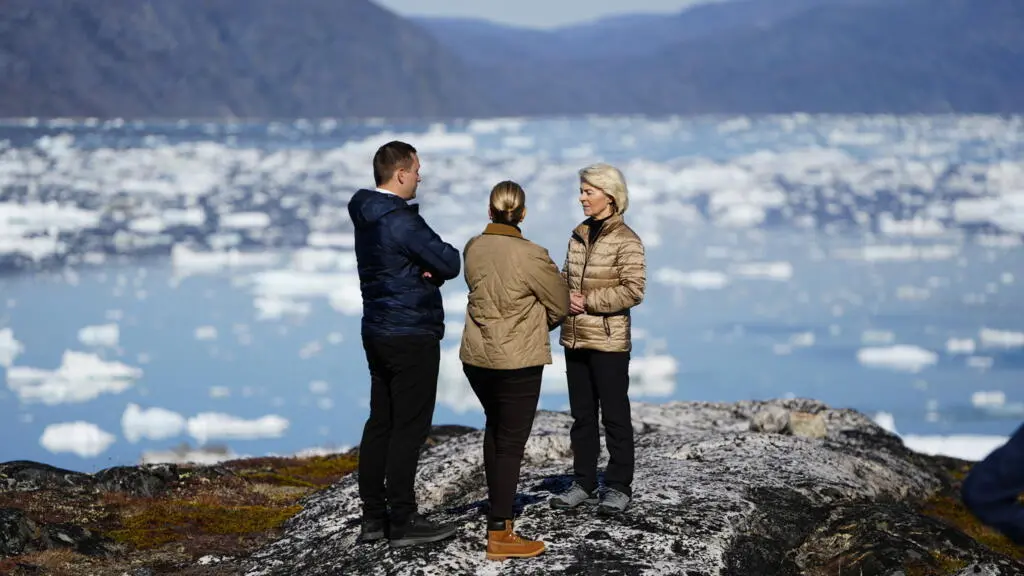
The European Union unveiled its new Arctic strategy on Tuesday, aiming to increase its influence in the region as climate change opens new shipping lanes and competition intensifies. The plan responds to growing pressure from Russia and the United States, both of which are expanding their military and economic activities in the far north. The EU seeks to protect its interests while promoting sustainable development and cooperation with Arctic states and indigenous communities. The strategy focuses on enhancing the EU’s capacity to monitor environmental changes, support research, and ensure safe navigation through emerging Arctic routes. It emphasizes the need for resilient infrastructure, stricter environmental standards, and stronger coordination among member states.
Breaking news
 Ronna McDaniel Weighs In on GOP's Path Forward
 Market Sentiment Shifts as S&P 500 Snaps Three-Day Losing Streak
 Voters Demand Stronger Congressional Oversight of Presidential Power
 Pelosi Looks Back, Sees Democratic Triumph Ahead
Officials noted that melting ice is not only creating economic opportunities but also increasing risks of geopolitical friction, requiring a unified European approach to safeguard stability in the region. How Will the EU Balance Cooperation and Competition in the Arctic? The EU intends to deepen its engagement with Arctic Council members while asserting its role as a responsible global actor. The strategy includes funding for green technologies, improved satellite monitoring, and support for local communities adapting to climate impacts. By promoting multilateral dialogue, the EU aims to prevent an arms race and ensure that resource extraction does not come at the expense of fragile ecosystems.
Officials stressed that any activity in the region must respect international law, particularly the United Nations Convention on the Law of the Sea. What Challenges Lie Ahead for EU Arctic Ambitions? Despite its ambitions, the EU faces limitations as a non-Arctic state with no permanent territory in the region. Its influence depends on diplomatic leverage, financial contributions, and partnerships with Nordic member states like Denmark, Finland, and Sweden. Critics argue that without a stronger military or coast guard presence, the EU may struggle to enforce its policies. However, proponents believe that soft power, scientific leadership, and normative influence can still shape Arctic governance in favor of peace and sustainability. Frequently Asked Questions What is the main goal of the EU’s new Arctic strategy?
How does climate change affect the EU’s Arctic interests?
The main goal is to strengthen the EU’s presence and influence in the Arctic by promoting sustainable development, enhancing environmental protection, and responding to growing geopolitical pressures from Russia and the United States.
How does climate change affect the EU’s Arctic interests? Melting ice is opening new maritime routes and access to natural resources, increasing economic opportunities but also raising risks of environmental damage and geopolitical competition, which the EU aims to manage through cooperation and regulation.
Can the EU enforce its Arctic strategy without territorial claims in the region? While the EU cannot claim Arctic territory, it seeks to exert influence through funding, diplomacy, scientific cooperation, and partnerships with Arctic and near-Arctic member states to shape policies and promote shared values.