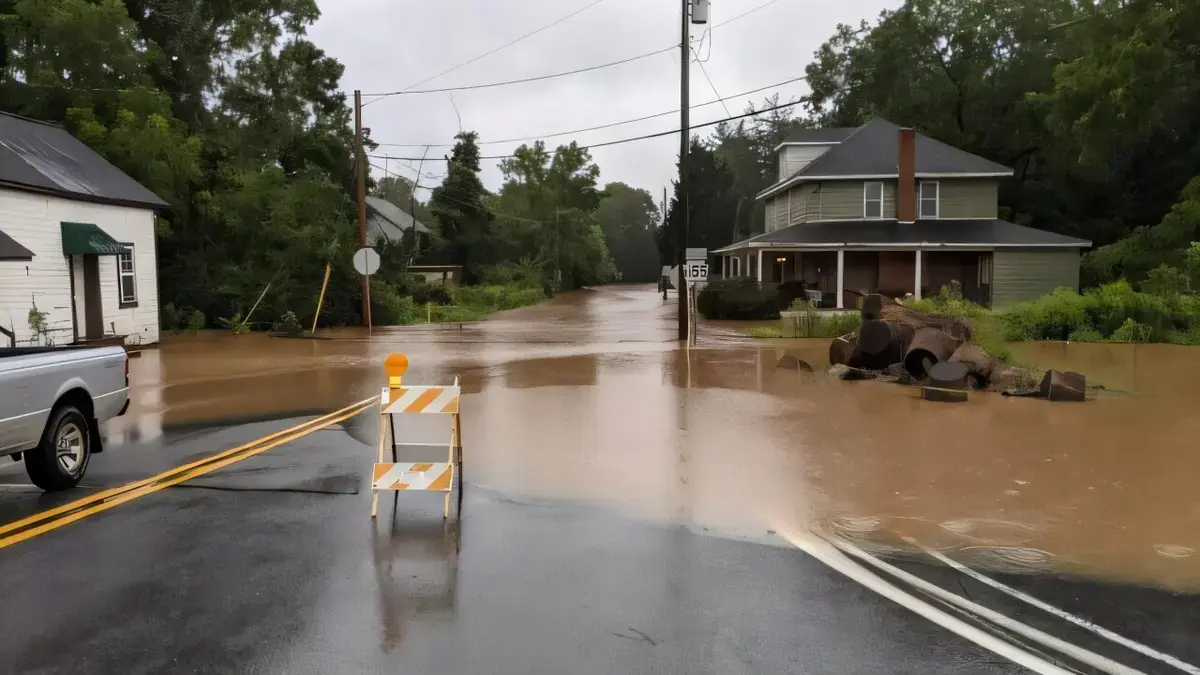
Changing Patterns of Precipitation
A recent study reveals that extreme rainfall events are becoming larger and less frequent across the eastern United States. These changes pose significant risks to communities and ecosystems, particularly as climate change continues to influence weather patterns. Researchers have observed a trend where heavy precipitation events are increasing in intensity, leading to greater flooding risks. This shift is alarming, as such events can cause extensive damage to infrastructure, agriculture, and natural habitats. The study highlights the urgent need for better preparedness and adaptation strategies in affected regions.
Breaking news
 Deadly Glacier and Rock Collapse in Nepal Linked to Climate Warming
 US Congress Passes Sweeping Sanctions Against Russia
 Speaker Johnson Ends House Session Early to Halt Impeachment Effort
 The High-Stakes Fight for Senate Majority Control
The findings indicate that while the frequency of extreme rain events may decrease, the amount of rainfall during these events is expected to rise. This means that when storms do occur, they could deliver significantly more rain than before. The implications for urban areas, which often struggle with drainage and flooding, are particularly concerning.
Experts attribute these changes to a combination of rising global temperatures and shifting atmospheric conditions. Warmer air holds more moisture, leading to heavier downpours when storms do occur. This phenomenon has been documented in various regions, with the eastern US experiencing some of the most pronounced effects.
How Will Communities Adapt to These Changes?
As the frequency and intensity of rainfall events evolve, local governments and communities face the challenge of adapting to new realities. Infrastructure improvements, such as enhanced drainage systems and flood barriers, are crucial to mitigate the risks posed by severe storms. Additionally, land-use planning must consider the potential for increased flooding to protect vulnerable areas.
Community awareness and education will also play vital roles in preparing for these extreme weather events. Residents need to understand the risks and have access to resources that guide them in emergency preparedness.
Frequently Asked Questions
The consequences of these changing rainfall patterns are significant. As extreme precipitation becomes more common, the potential for damage increases, affecting not only human life but also wildlife and ecosystems. Long-term strategies will be essential to address these challenges and minimize impacts on society.
What causes the increase in extreme rainfall events? The increase is largely due to climate change, which raises global temperatures and allows the atmosphere to hold more moisture. This leads to heavier rainfall during storms.
How can communities prepare for more intense storms? Communities can improve drainage systems, implement flood barriers, and educate residents about emergency preparedness. Urban planning must also adapt to account for potential flooding risks.