Leveraging Energy as a Diplomatic Tool
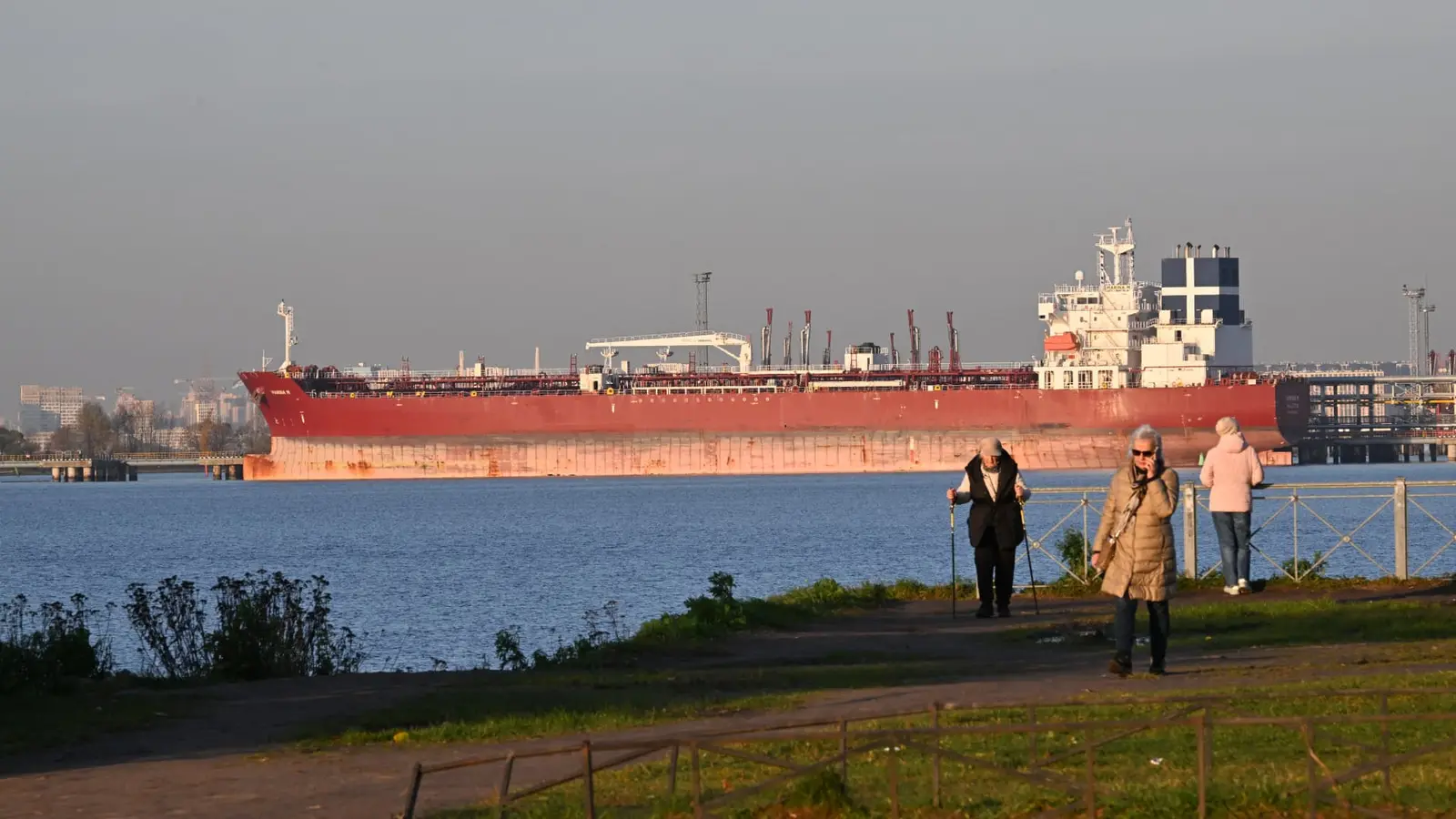
Energy Secretary Chris Wright announced Tuesday that the United States might permit higher volumes of Russian diesel to enter the global market. The decision depends entirely on Moscow’s future conduct regarding the ongoing conflict in Ukraine. This policy shift follows the recent suspension of specific sanctions targeting Russian fuel exports.
Breaking news
 Montenegro, Albania Seek NATO Help to Counter Russian Disinformation
 Ronna McDaniel Weighs In on GOP's Path Forward
 Market Sentiment Shifts as S&P 500 Snaps Three-Day Losing Streak
 Voters Demand Stronger Congressional Oversight of Presidential Power
The administration views this move as a strategic incentive rather than a permanent economic policy. By easing restrictions, officials hope to encourage Russia to de-escalate hostilities. However, energy analysts remain skeptical about the immediate impact on consumer costs. Current projections suggest that the increased supply will not be sufficient to significantly lower global diesel prices.
Secretary Wright framed the policy as a calculated maneuver within broader geopolitical negotiations. By linking energy trade access to military behavior, the White House aims to pressure the Kremlin. The administration is essentially using market access as a bargaining chip to influence Russian decision-making in Eastern Europe.
Will Market Access Actually Lower Costs?
Despite the diplomatic intent, the practicalities of the global oil market remain complex. Market participants are watching closely to see if Moscow responds to these signals. If the war continues without progress, the administration may quickly reverse its stance on these fuel shipments.
The influx of Russian diesel into the global supply chain is expected to be relatively modest. Because the volume of fuel released under this arrangement is limited, it is unlikely to provide meaningful relief at the pump. Most experts believe the primary goal here is political leverage rather than domestic price control.
Frequently Asked Questions
The long-term outlook remains uncertain as the administration balances energy security with international sanctions. Future adjustments to these rules will likely mirror shifts in the battlefield situation. Consumers should not expect major price drops based on this specific policy change alone.
Why is the government easing fuel sanctions? The administration is using the potential for increased Russian exports as a diplomatic incentive. They hope that offering market access will encourage Moscow to end the war in Ukraine.
Will this policy change lower gas prices for Americans? It is unlikely to have a material impact on prices. Analysts suggest the volume of diesel involved is too small to significantly shift global market costs.
