Why Generational Health Gains Have Stalled
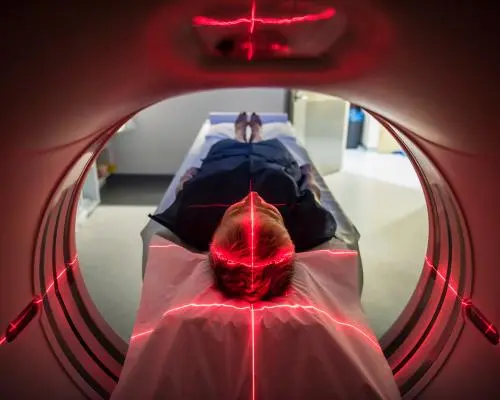
Global health experts warn that younger people are increasingly likely to develop cancer at younger ages than their parents. This trend marks a significant shift in public health patterns. The University of Edinburgh’s global health president describes the phenomenon as a profound mystery. It challenges traditional assumptions about generational health improvements.
Breaking news
 Montenegro, Albania Seek NATO Help to Counter Russian Disinformation
 Ronna McDaniel Weighs In on GOP's Path Forward
 Market Sentiment Shifts as S&P 500 Snaps Three-Day Losing Streak
 Voters Demand Stronger Congressional Oversight of Presidential Power
For decades, medical progress promised better outcomes for each new cohort. Life expectancy rose steadily across many nations. Child mortality rates dropped sharply. Vaccine-preventable diseases were nearly eliminated from developed regions. However, this trajectory has stalled since the early 2000s. In several areas, health gains have actually reversed. The current generation faces distinct biological and environmental pressures. These factors contribute to earlier disease onset.
The stagnation in life expectancy contradicts historical trends. Previous decades saw consistent improvements in survival rates. Public health interventions reduced infectious disease burdens significantly. Nutrition and sanitation standards improved globally. Yet, non-communicable diseases now dominate mortality statistics. Cancer incidence in younger adults is climbing. This shift suggests changing risk profiles. Environmental toxins may play a role. Lifestyle changes contribute to the problem. Sedentary behavior and poor diet are widespread. Obesity rates have surged in recent years. These factors increase susceptibility to various cancers.
Is Modern Lifestyle Driving Early Onset?
Researchers struggle to pinpoint a single cause. Multiple variables interact in complex ways. Genetic predisposition remains a factor. However, environmental exposure appears more significant. Air quality and chemical pollutants are rising. Stress levels in modern work environments are high. Sleep deprivation is common among young adults. These elements combine to weaken immune defenses. The body’s ability to repair DNA damage decreases. Consequently, mutations accumulate faster. This accelerates the development of malignant cells.
Experts emphasize the need for urgent investigation. Current prevention strategies focus on older populations. Screening programs target middle-aged and elderly groups. Younger individuals often lack access to early detection tools. Symptoms may be ignored or misdiagnosed. This delay worsens prognosis significantly. Early-stage cancers are more treatable. Delayed diagnosis reduces survival chances. Public awareness campaigns must adapt accordingly. Healthcare systems need to prioritize younger demographics. Funding for research into early-onset cancer is essential. Understanding the root causes is critical. Without this knowledge, interventions will remain ineffective.
Frequently Asked Questions
The future outlook requires immediate action. Health policies must address environmental risks. Regulations on industrial pollutants need strengthening. Public education on healthy habits must start earlier. Schools should promote physical activity and nutrition. Governments must invest in preventive care. The goal is to reverse the current trend. Younger generations deserve the same health gains their parents received. Achieving this requires a holistic approach. Medical science, policy, and individual responsibility must align. The mystery of rising early-onset cancer demands answers. Time is running out for effective intervention.
Why is cancer appearing in younger people? Environmental factors and lifestyle changes likely contribute to earlier onset. Increased exposure to toxins and poor diet play key roles.
Has life expectancy stopped improving? Yes, progress has stalled since the early 2000s. In some regions, life expectancy has even declined slightly.