Why the sudden withdrawal?
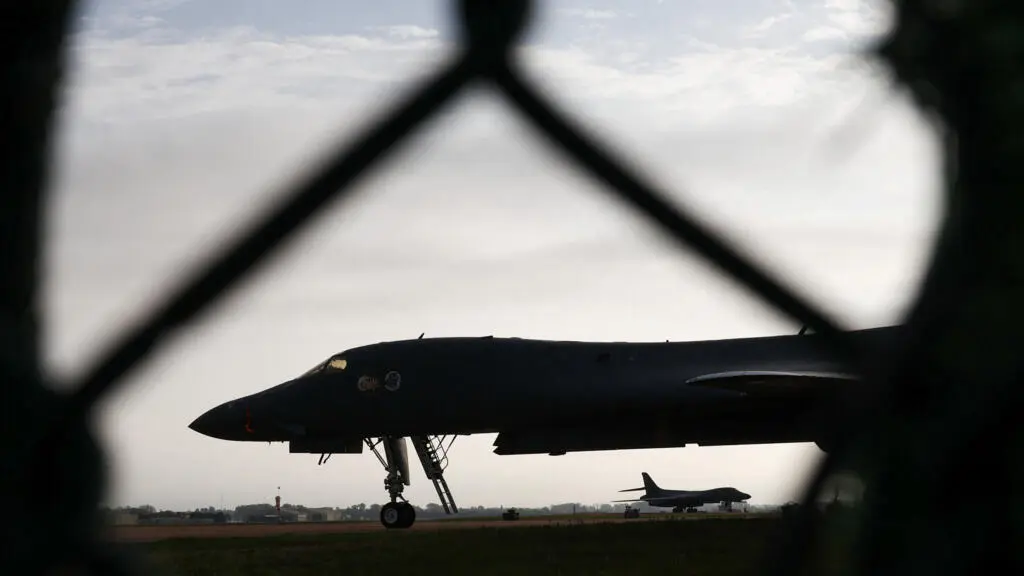
The U. S. Department of Defense announced that all B‑1 bombers stationed at RAF Fairford in the United Kingdom have been pulled back to the United States after a security scare. The move followed a brief evacuation of the base on Sunday when police investigated reports of suspicious activity. No explosive devices were discovered, and the aircraft were returned safely.
Breaking news
 Montenegro, Albania Seek NATO Help to Counter Russian Disinformation
 Ronna McDaniel Weighs In on GOP's Path Forward
 Market Sentiment Shifts as S&P 500 Snaps Three-Day Losing Streak
 Voters Demand Stronger Congressional Oversight of Presidential Power
The Pentagon confirmed the decision on Sunday, noting that the incident prompted a temporary halt to operations at the British airfield. RAF Fairford, a key forward operating location for U. S. strategic bombers, had hosted the B‑1 fleet for several years to support NATO training and deterrence missions. With the threat assessment concluded, the aircraft were flown back to their home bases in the U. S. without incident.
The security alert at Fairford stemmed from a series of alarms triggered by a suspicious package and a potential breach of protocol. Local police and U. S. military security teams conducted a thorough sweep of the airfield. Their investigation found no explosives or other threats. The decision to remove the bombers was taken as a precautionary measure while the situation was assessed. The U. S. military’s standard operating procedure dictates that any credible threat to a strategic asset warrants immediate action, even if the threat is later ruled unfounded.
How will this affect U. S. strategic posture in Europe?
The withdrawal also reflects the broader context of heightened tensions between the United States and Russia. The B‑1 fleet is a critical component of the U. S. nuclear deterrent, and its presence in Europe serves as a deterrent to potential adversaries. By temporarily removing the aircraft, the U. S. aimed to avoid any perception of vulnerability or escalation during a period of increased geopolitical uncertainty.
The B‑1 bombers are a key part of the U. S. Air Force’s strategic bomber fleet, capable of delivering conventional and nuclear payloads. Their temporary absence from RAF Fairford may create a short‑term gap in the U. S. ability to conduct rapid deterrent missions over Europe. However, the Pentagon has stated that other aircraft, including B‑2 stealth bombers and strategic airlift assets, remain available to maintain deterrence. The U. S. and NATO allies have assured that the withdrawal will not compromise overall security commitments in the region.
The incident has prompted a review of security protocols at U. S. bases abroad. The U. S. Air Force will conduct additional training exercises in partnership with the British military to reinforce coordination and rapid response. Both sides have emphasized that the safety of personnel and equipment remains paramount.
The decision to pull the B‑1s home is expected to be temporary. Once the threat assessment is complete and the base is deemed secure, the aircraft will likely return to Fairford as part of routine rotational deployments. In the meantime, the U. S. will continue to exercise its strategic deterrence through other platforms and maintain close coordination with NATO allies.
Frequently Asked Questions
What caused the evacuation of RAF Fairford? A suspicious package and potential security breach prompted police to conduct a sweep of the airfield, leading to a temporary evacuation of personnel and aircraft.
Will the B‑1 bombers return to RAF Fairford soon? The Pentagon has not set a specific date, but the aircraft are expected to return once the base is confirmed secure and threat assessments are completed.
Does this withdrawal weaken U. S. deterrence in Europe? No. While the B‑1s are temporarily absent, other strategic assets and ongoing NATO exercises maintain the U. S. deterrence posture in the region.