Framework for Technology Transfer
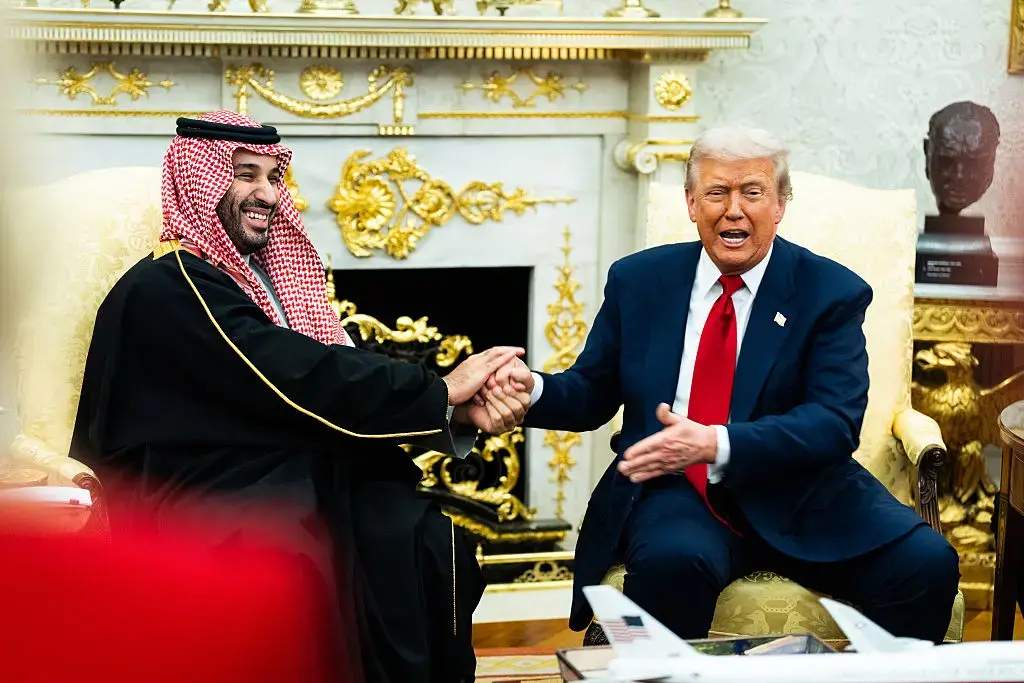
The United States Department of Energy officially announced a landmark civilian nuclear cooperation agreement with Saudi Arabia on Wednesday. This deal marks a significant shift in diplomatic and energy relations between the two nations. The pact establishes a formal framework for sharing nuclear technology and expertise for peaceful energy purposes.
Breaking news
 Greenpeace Investigates Zaporizhzhia Nuclear Plant Power Lines
 Researcher warns strict age limits needed for children on social media
 Hezbollah defends its arsenal amid Lebanese political deadlock
 Can an AI Chatbot Reduce Maternal Deaths in Kenya?
The agreement follows extensive negotiations between Washington and Riyadh. It aims to support Saudi Arabia’s ambitious goals to diversify its energy grid through nuclear power. Officials emphasize that the deal includes strict oversight mechanisms to ensure all transferred technology remains dedicated strictly to civilian electricity generation.
The accord outlines specific protocols for the exchange of nuclear materials, equipment, and technical knowledge. By entering this partnership, Saudi Arabia gains access to advanced American engineering standards. In return, the kingdom commits to rigorous international monitoring to prevent the diversion of resources toward military applications.
Will This Trigger Regional Nuclear Competition?
Supporters argue that this collaboration strengthens American influence in the Middle East energy sector. It positions U. S. firms to compete for lucrative contracts as the kingdom moves away from total reliance on fossil fuels. The deal represents a strategic effort to maintain high safety and non-proliferation standards globally.
Critics have voiced concerns regarding the potential for this agreement to ignite a regional arms race. Opponents fear that providing nuclear infrastructure to Saudi Arabia could embolden other nations in the Middle East to pursue similar capabilities. They argue that the geopolitical climate remains too volatile for such high-stakes technology transfers.
Frequently Asked Questions
The long-term consequences of this deal depend on the transparency of future implementation. If the oversight protocols prove effective, the partnership could stabilize the region’s energy future. However, if trust erodes, the agreement may inadvertently complicate existing security tensions across the Gulf.
What does the agreement allow Saudi Arabia to do? The deal enables the kingdom to import American nuclear technology and expertise for civilian power projects. It is strictly limited to electricity generation and does not permit the development of weapons.
Why are critics concerned about the deal? Some observers worry that the agreement could encourage other countries to seek nuclear capabilities. They fear this might lead to an unpredictable regional arms race despite the current safety safeguards.