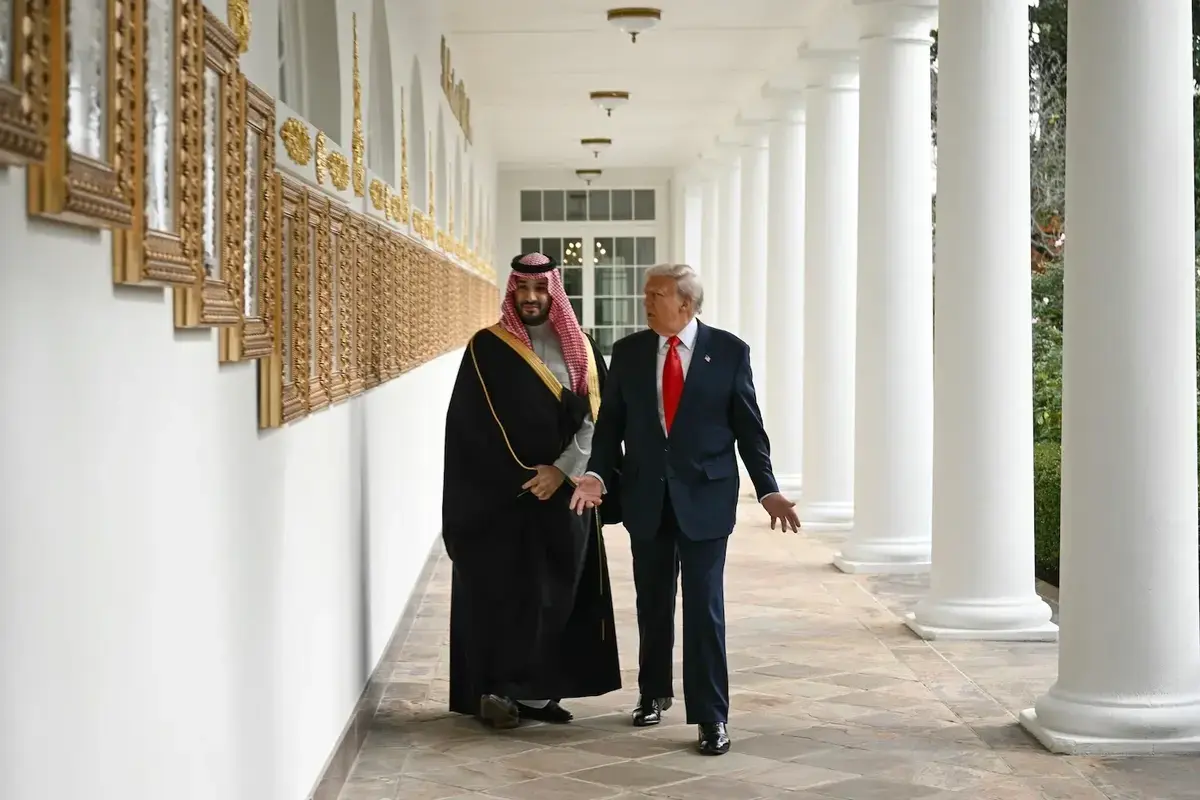
Why This Deal Worries Experts
A potential nuclear agreement between the United States and Saudi Arabia, initiated during the Trump administration, could severely undermine decades of U. S. non-proliferation efforts. Experts warn that such a deal risks setting a dangerous precedent in the Middle East. The proposed pact has drawn sharp criticism from former diplomats.
Breaking news
 Deadly Glacier and Rock Collapse in Nepal Linked to Climate Warming
 US Congress Passes Sweeping Sanctions Against Russia
 Speaker Johnson Ends House Session Early to Halt Impeachment Effort
 The High-Stakes Fight for Senate Majority Control
The agreement involves Saudi Arabia enriching its own uranium. This capability is a key step towards developing nuclear weapons. Granting this to Saudi Arabia would reverse long-standing American policy.
Allowing Saudi Arabia to enrich uranium could spark a regional nuclear arms race. Other nations might seek similar capabilities. This would destabilize an already volatile area. The United States has historically opposed such proliferation.
What Are the Risks of Regional Proliferation?
The deal also lacks robust safeguards. These are crucial for preventing the diversion of nuclear materials for military use. Without strict oversight, the risk of weapons development increases significantly. This raises concerns about global security.
A nuclear-armed Saudi Arabia could prompt Iran to accelerate its own nuclear program. This would create a highly dangerous scenario. Other countries in the region, like Egypt or Turkey, might then pursue nuclear options. Such a chain reaction would make the Middle East far more perilous.
The original intent of U. S. non-proliferation policy was to prevent such outcomes. This proposed deal directly contradicts that goal. It prioritizes political expediency over long-term security. The implications for international stability are profound.
Frequently Asked Questions
What is the main concern about Saudi uranium enrichment? The primary concern is that enriching uranium brings Saudi Arabia closer to developing nuclear weapons, potentially sparking a regional arms race and undermining global non-proliferation efforts.
How does this potential deal differ from past U. S. nuclear agreements? Unlike past agreements, this deal reportedly allows Saudi Arabia to enrich its own uranium without the stringent safeguards typically required by the U. S., which could set a dangerous new precedent.
Who are the experts raising these concerns? Former U. S. Ambassador to Egypt and Israel, Daniel C. Kurtzer, and Senior Fellow at the Carnegie Endowment for International Peace, Aaron David Miller, are among those who have voiced strong opposition to the proposed pact.