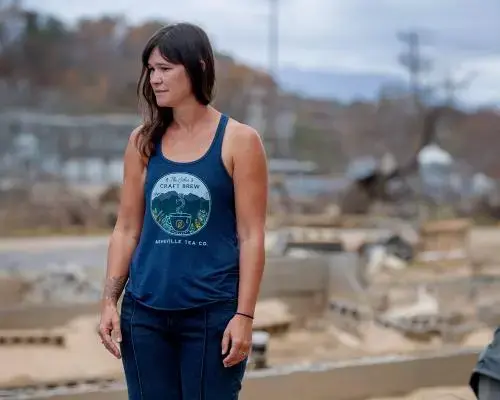
A Pact Born From Shared Passion
A severe storm tore through Asheville, North Carolina, on June 12, 2024, destroying the Asheville Tea Company’s production facility. The company, owned by Jessie Dean, had been operating for five years, producing specialty loose‑leaf blends. The damage left the factory in ruins, halting production and threatening the livelihoods of 12 employees.
Breaking news
 Deadly Glacier and Rock Collapse in Nepal Linked to Climate Warming
 US Congress Passes Sweeping Sanctions Against Russia
 Speaker Johnson Ends House Session Early to Halt Impeachment Effort
 The High-Stakes Fight for Senate Majority Control
The disaster struck just weeks after Dean and Calgary‑based tea entrepreneur Alexandra Sangster signed a mutual‑support pact. The two women, who had met during a trade conference in July 2023, promised to help each other in times of crisis. Sangster’s Sarjesa, located more than 2,300 miles away, agreed to provide financial assistance and logistical support to keep Dean’s business afloat while the Asheville plant was rebuilt.
Dean and Sangster met at the International Tea Expo in Toronto, where they discovered a shared commitment to sustainable sourcing and artisanal blends. „We both know how fragile the tea industry can be,” Dean recalled. „When I heard about the storm, I immediately reached out to Alexandra.” Sangster, who runs a boutique tea shop that sources from local Canadian farms, responded with a generous loan of $50,000 and a temporary storage lease at her Calgary facility. The agreement also included a joint marketing campaign to promote both brands during the recovery period.
The partnership has already yielded tangible results. Dean’s company can now store its inventory in Calgary, preventing spoilage, while Sangster’s marketing team has leveraged social media to highlight the resilience of the Asheville brand. Sales of pre‑storm inventory have recovered to 70% of pre‑disaster levels, according to Dean’s latest quarterly report.
How the Storm Unfolded and What Comes Next?
The tornado that struck Asheville was the strongest in the region since 2010, with wind speeds exceeding 120 miles per hour. The factory’s roof was torn off, and several processing machines were shattered. Local emergency crews worked for 48 hours to clear debris and secure the site. Dean estimates that rebuilding will take at least nine months, with an estimated cost of $1.2 million for reconstruction and equipment replacement.
Sangster has pledged to cover the full cost of the loan over a five‑year period, with no interest. She also offered to host a pop‑up shop in Calgary, featuring Dean’s signature blends, to raise funds for the rebuild. „It’s about community,” Sangster said. „We’re not just business partners; we’re neighbors across the border.”
The Asheville Tea Company plans to apply for a federal disaster grant, which could cover up to 80% of reconstruction expenses. Meanwhile, the company is exploring a partnership with a local university’s agricultural department to develop a new line of drought‑resistant tea plants, aiming to reduce future vulnerability.
What Will the Recovery Look Like?
The immediate priority for Dean is to secure a temporary production line. She has signed a lease for a small warehouse in nearby Hendersonville, where a local manufacturer will provide a portable processing unit. This arrangement will allow the company to resume limited production within six weeks. The long‑term goal is to rebuild a state‑of‑the‑art facility that incorporates wind‑resistant design and energy‑efficient systems.
Employees have expressed optimism. „We’re grateful for the support from Canada,” said Maria Lopez, a senior tea blender. „It’s hard to see the factory gone, but knowing we have a partner who’s invested in us gives us hope.” The company’s social media channels have seen a 35% increase in engagement since the announcement of the partnership, indicating strong consumer support.
The storm’s impact on the local economy has been significant. Asheville’s tea market, which previously accounted for 15% of the city’s specialty beverage sales, is expected to recover within a year, thanks in part to the cross‑border collaboration. Local suppliers are also benefiting from the increased demand for raw tea leaves, as Dean’s company plans to source 20% more from regional farms once operations resume.
Frequently Asked Questions
In the coming months, Dean will focus on securing the necessary permits and funding, while Sangster will continue to manage the pop‑up shop and marketing efforts. Together, they aim to turn a devastating event into an opportunity for growth and innovation.
How long will the Asheville Tea Company be out of production? Rebuilding is projected to take nine months, but a temporary production line will be operational within six weeks.
What financial support is Sangster providing? She has loaned $50,000 with no interest, covering full repayment over five years, and is offering storage and marketing assistance.
Will the company change its product line after the rebuild? Yes, Dean plans to introduce drought‑resistant tea varieties and expand its organic range once the new facility is ready.