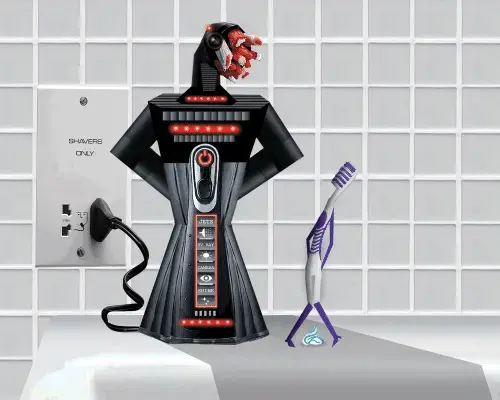
From Simple Gadgets to High-Tech Essentials
In December 1969, the consumer magazine Which? highlighted a novel holiday gift idea: the electric toothbrush. At the time, these devices were viewed as simple mechanical sticks. Today, oral hygiene has transformed into a massive global industry, with British consumers showing unprecedented interest in advanced dental technology and premium cleaning gadgets.
Breaking news
 Montenegro, Albania Seek NATO Help to Counter Russian Disinformation
 Ronna McDaniel Weighs In on GOP's Path Forward
 Market Sentiment Shifts as S&P 500 Snaps Three-Day Losing Streak
 Voters Demand Stronger Congressional Oversight of Presidential Power
The transition from manual scrubbing to motorized bristles marked a significant shift in personal care habits. Early models were basic, yet they promised a more efficient way to maintain dental health. Over the decades, manufacturers refined these tools, integrating sophisticated sensors, timers, and high-frequency vibrations to dominate bathroom counters worldwide.
Modern dental care has become a highly lucrative market segment. Companies now market toothbrushes as essential health investments rather than mere household tools. This evolution reflects a broader trend where personal hygiene is increasingly intertwined with technological innovation. Consumers are now willing to pay significant premiums for devices that guarantee professional-grade cleaning results.
Is the Premium Price Tag Worth the Investment?
The rise of the oral care economyis driven by a growing awareness of long-term dental health. Marketing campaigns emphasize the prevention of gum disease and the aesthetic benefits of a brighter smile. As a result, the humble toothbrush has evolved into a complex piece of hardware that continuously tracks user habits.
The shift toward expensive, feature-heavy brushes raises questions about value. While basic models perform the primary task of cleaning, high-end versions offer data-driven feedback. These devices connect to smartphones, providing users with real-time analysis of their brushing technique. For many, the added cost is justified by the promise of fewer dental visits and improved overall hygiene.
Frequently Asked Questions
Looking ahead, the market shows no signs of slowing down. Innovations in artificial intelligence and connectivity suggest that our toothbrushes will become even more integrated into our digital lives. As oral health remains a priority, the competition among manufacturers will likely drive further advancements in design and functionality for years to come.
Why did electric toothbrushes become popular? They gained traction by offering a more efficient cleaning method than manual brushing. Modern marketing further solidified their status as essential tools for long-term dental health.
Are expensive toothbrushes actually better? Higher-end models often include sensors and app connectivity that help improve brushing technique. While they provide more data, their core function remains similar to entry-level electric versions.