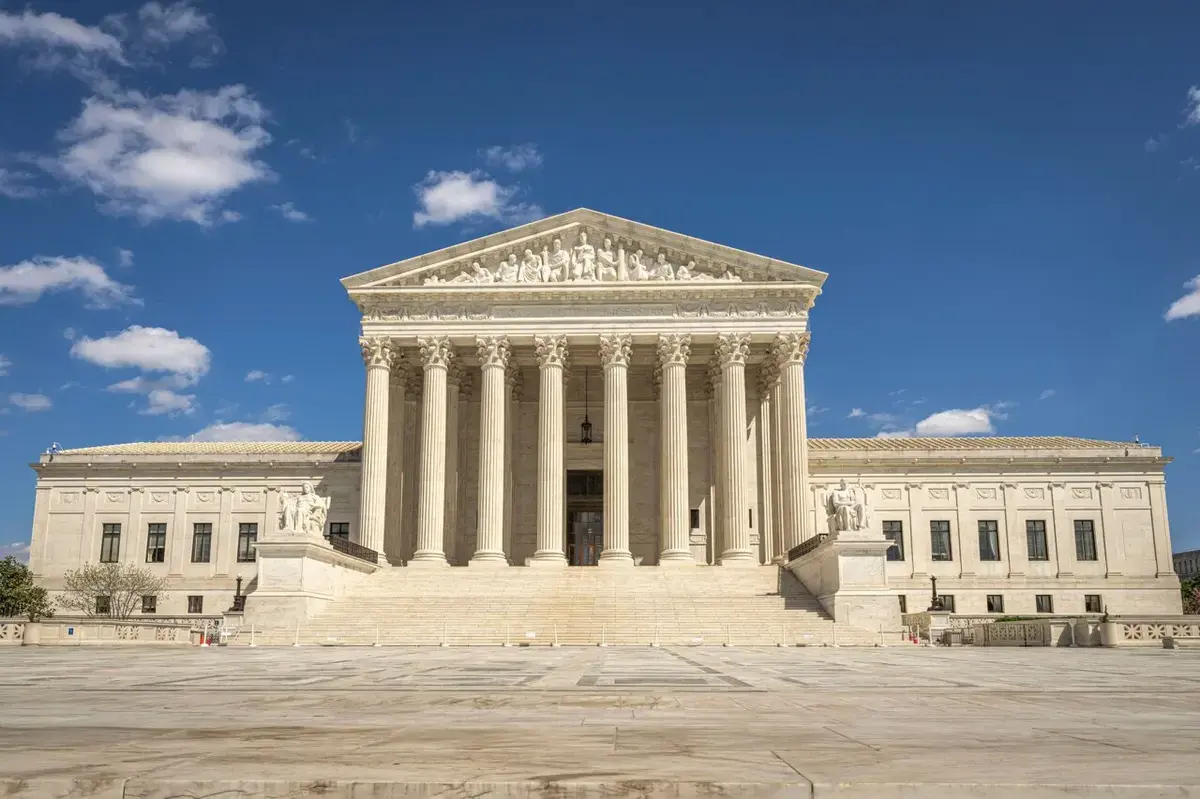
The Art of Judicial Compromise
A new study sheds light on the U. S. Supreme Court's increasingly sharp divisions. Justices are now openly accusing colleagues of altering legal texts. This trend suggests a calculated approach to judicial decision-making.
Breaking news
 Deadly Glacier and Rock Collapse in Nepal Linked to Climate Warming
 US Congress Passes Sweeping Sanctions Against Russia
 Speaker Johnson Ends House Session Early to Halt Impeachment Effort
 The High-Stakes Fight for Senate Majority Control
The research indicates that justices might strategically yield on certain points. They do this to secure broader victories in other cases. This behavior has become more noticeable in recent court terms. It reflects a shift in how the nation's highest court operates.
The study highlights a pattern of deliberate concessions. Justices may agree to a specific outcome they don't fully support. This could be in exchange for influence on future rulings. It's a complex dance of legal strategy and political maneuvering. The goal is often to shape the law over time, rather than win every single battle.
How Do These Concessions Affect Future Rulings?
This approach helps explain seemingly inconsistent votes. It also offers insight into the court's evolving dynamics. The justices are not just interpreting the law; they are actively shaping it through negotiation.
These calculated compromises can have a significant impact on future legal precedents. When a justice makes a concession, it can establish a new legal pathway. This pathway might then be used in subsequent, more critical cases. It allows for a gradual shift in legal interpretation.
The study suggests this strategic behavior could lead to more nuanced legal outcomes. However, it also raises questions about judicial transparency. The public may not fully understand the underlying motivations behind certain decisions. This could erode trust in the court's impartiality.
The long-term effects of this trend are still unfolding. It could lead to a more fragmented legal landscape. Or it might foster a different kind of judicial consensus.
Frequently Asked Questions
What is the main finding of the new study? The study found that Supreme Court justices are making calculated concessions. They do this to gain advantages in other cases or to influence future rulings. This strategic behavior is becoming more common.
Why are justices making these concessions? Justices are making concessions as a strategic tool. They might compromise on one ruling to secure a more important victory later. This allows them to shape legal outcomes over time.
What are the potential implications of this trend? This trend could lead to more complex legal precedents and a less transparent judicial process. It might also influence how the public perceives the court's fairness and impartiality.