Why Did the Driver Restart After a Signaling Failure?
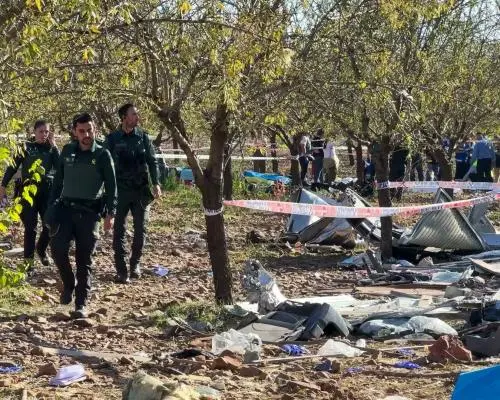
A high-speed train traveling from Madrid to Seville collided with a second train on the same track near Toledo, Spain, on Wednesday morning. The crash killed at least 69 people. Both trains had stopped earlier due to a signaling system failure. Controllers instructed the driver to resume travel, leading to the rear-end collision.
Breaking news
 Ronna McDaniel Weighs In on GOP's Path Forward
 Market Sentiment Shifts as S&P 500 Snaps Three-Day Losing Streak
 Voters Demand Stronger Congressional Oversight of Presidential Power
 Pelosi Looks Back, Sees Democratic Triumph Ahead
The incident highlights critical failures in the railway signaling infrastructure. Audio files from the cab suggest the control center may bear responsibility, though questions remain about why the restart order was issued. Investigators will examine the communication logs between the driver and the control center.
The driver of the state-owned Renfe AVE service received explicit instructions from controllers to restart the journey. This decision followed an earlier halt caused by a signaling system malfunction. The restart placed the moving train directly behind a stationary one on the same track, resulting in a high-speed impact.
What Will Investigators Focus On?
Investigators are scrutinizing the audio recordings from the driver's cab. These files appear to point toward the control center's role in the sequence of events. The core question now is whether the restart command was appropriate given the unresolved signaling fault.
The inquiry will center on the decision-making process at the control center. Specifically, why was the train ordered to move while the signaling system remained faulty? Experts note that restarting a high-speed train on a compromised track is a high-risk maneuver. The investigation will review all communication logs and system diagnostics.
The crash has triggered a national review of Spain's high-speed rail safety protocols. Authorities are assessing whether signaling failures should automatically lock tracks until fully resolved. The outcome will shape future safety standards for the Renfe AVE network.
Frequently Asked Questions
How many people died in the crash? At least 69 people died in the collision. The incident occurred on a high-speed line near Toledo.
What caused the trains to stop initially? A failure in the railway signaling system forced both trains to halt. The restart order from controllers led to the collision.
Who is being investigated? Investigators are examining the actions of the control center. Audio evidence suggests the center may share responsibility for issuing the restart command.