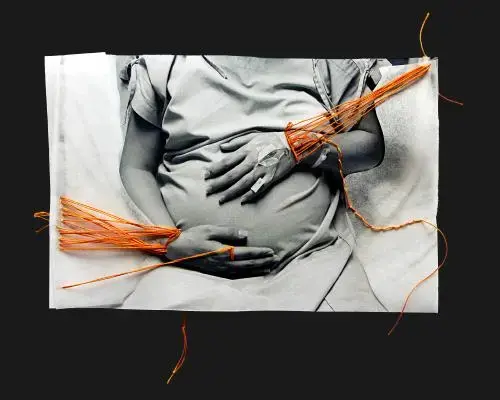
Why Medical Experts Oppose Restraints During Labour
Senator Lidia Thorpe has introduced legislation to prohibit the practice of shackling pregnant prisoners during childbirth in Australian correctional facilities. The bill follows reports of women being restrained with handcuffs while in labour, including one case where a prisoner expecting twins was taken to hospital in restraints despite being due for release in just ten days. The practice has drawn criticism from human rights advocates and medical professionals who argue it poses unnecessary risks to both mother and child.
Breaking news
 Montenegro, Albania Seek NATO Help to Counter Russian Disinformation
 Ronna McDaniel Weighs In on GOP's Path Forward
 Market Sentiment Shifts as S&P 500 Snaps Three-Day Losing Streak
 Voters Demand Stronger Congressional Oversight of Presidential Power
Tahlia Isaac, a former prisoner and advocate, testified before a federal inquiry about witnessing a fellow inmate being handcuffed in the back of a prison van during early labour. Isaac stated the woman was pregnant with twins and had been scheduled for release in ten days when contractions began unexpectedly. She described how correctional officers proceeded with the transport despite the woman’s urgent medical condition, highlighting a pattern where incarcerated women are subjected to restraints even during active labour. Isaac’s submission noted that many women who have experienced shackling during childbirth continue to suffer psychological trauma long after the event.
How Will This Change Affect Prison Policies?
Health professionals emphasize that shackling during pregnancy and childbirth increases the risk of falls, limits mobility needed for pain management, and can delay emergency medical intervention. The Royal Australian and New Zealand College of Obstetricians and Gynaecologists has previously stated that restraints are never medically necessary during labour and may violate international human rights standards. Advocates argue that alternative security measures, such as increased staff presence, can maintain safety without compromising maternal health. The proposed law would require correctional services to adopt these alternatives across all states and territories.
If passed, the legislation would mandate immediate review of existing security protocols involving pregnant inmates and require staff training on human rights-compliant practices. Correctional agencies would need to report any instances of restraint use during pregnancy to an independent oversight body. Supporters say the change aligns Australia with countries like Canada and the United Kingdom, where such bans are already in place. Opponents, however, raise concerns about potential security risks, though evidence from jurisdictions with similar laws shows no increase in incidents when proper alternatives are implemented.
Is shackling during childbirth currently legal in Australian prisons? While not explicitly authorized by law in all jurisdictions, the practice has occurred due to gaps in policy and inconsistent enforcement, prompting calls for clear legislative prohibition.
Frequently Asked Questions
What alternatives to shackling are recommended for pregnant prisoners? Experts suggest using additional correctional officers for supervision, non-restrictive belly chains only when absolutely necessary for security, and continuous medical monitoring during transport and hospital stays.
When could the ban take effect if the bill is approved? If passed by parliament, the legislation would likely come into force within six months to allow time for policy updates, staff training, and implementation across correctional facilities nationwide.