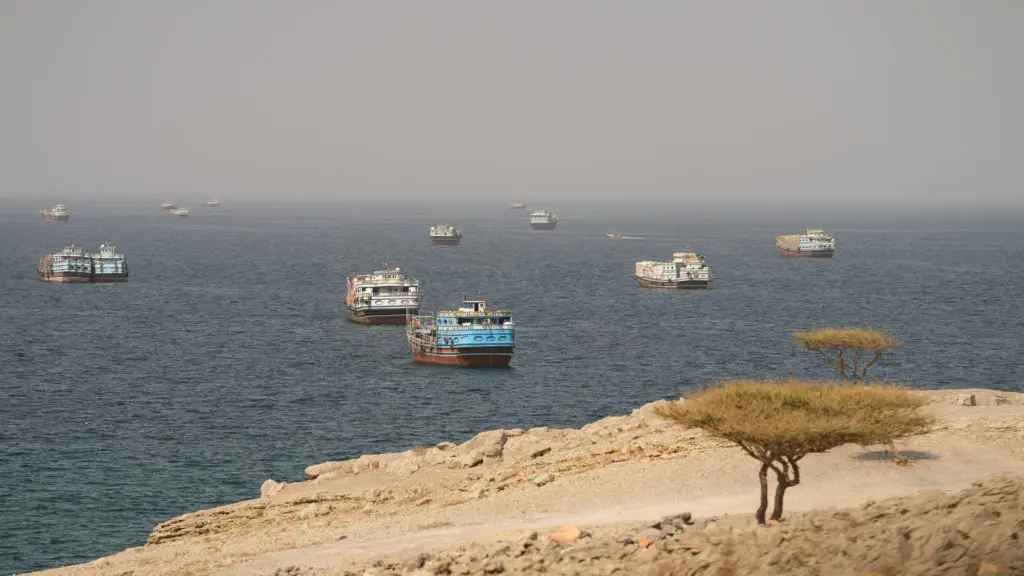
How Tanker Damage Affects Global Energy Markets
Iranian state media announced that seven oil tankers sustained damage or caught fire while navigating the Strait of Hormuz. This incident occurred on Tuesday, October 22, 2026. The announcement came via the country’s official television network. Reports indicate significant disruption to maritime traffic in this critical waterway. The event marks a notable escalation in regional tensions affecting global energy flows.
Breaking news
 Ronna McDaniel Weighs In on GOP's Path Forward
 Market Sentiment Shifts as S&P 500 Snaps Three-Day Losing Streak
 Voters Demand Stronger Congressional Oversight of Presidential Power
 Pelosi Looks Back, Sees Democratic Triumph Ahead
The strait serves as a chokepoint for a massive portion of the world’s oil supply. When vessels report fires or structural damage here, markets react quickly. Traders often see immediate spikes in crude prices due to fears of supply shortages. The specific nature of the damage remains under investigation by local authorities. Ships involved were either burning or showing signs of severe mechanical failure.
The Strait of Hormuz handles roughly one-fifth of all liquid petroleum consumed globally. Any interruption forces buyers to seek alternative routes or tap into strategic reserves. Analysts note that even minor incidents can trigger volatility in futures trading. Insurance premiums for ships passing through the region may rise sharply following such reports. Shipping companies might reroute cargo to avoid perceived risk zones. This rerouting increases transit times and operational costs for exporters.
Will This Incident Trigger a Broader Regional Response?
The timing of these reports adds urgency to diplomatic efforts in the Middle East. Regional powers are closely monitoring the situation for signs of broader conflict. Naval assets in the area have increased their patrol frequency in recent weeks. Commanders are coordinating with port authorities to assess the extent of the blockage. Clearing the damaged vessels will likely require specialized salvage operations. These operations can take days or even weeks to complete safely.
Diplomats are working to determine if the damage resulted from an external attack or mechanical failure. If hostile action is confirmed, neighboring states may issue formal protests. Military readiness levels could be raised across the Persian Gulf basin. Observers suggest that the next 48 hours will be crucial for stabilizing the situation. Negotiations between key stakeholders are expected to intensify in the coming days.
Frequently Asked Questions
The outcome of this incident will shape shipping strategies for months. If repairs proceed smoothly, normal operations should resume by late November. However, lingering uncertainty may keep premium rates elevated. Governments will review their energy security policies in light of this event. The focus remains on ensuring safe passage for commercial vessels. Stakeholders aim to prevent further disruptions to the global supply chain.
How many tankers were affected by the incident? Seven oil tankers reported damage or fire. Iranian state television confirmed these figures on Tuesday evening. The vessels were navigating the narrow waterway at the time.
When did the reports about the tankers emerge? The news broke on October 22, 2026. State media released the information during prime-time broadcasting hours. International markets reacted to the news immediately after the announcement.