How the Campaign Is Structured
A new report from the Israeli human‑rights organization B’Tselem claims that Israel is conducting a systematic campaign to dismantle the social and economic conditions that sustain Palestinian communities in the West Bank. The study, released in early September, alleges that the state’s policies amount to an „elimination” of collective Palestinian life, targeting infrastructure, access to resources, and basic services across the occupied territory.
Breaking news
 Deadly Glacier and Rock Collapse in Nepal Linked to Climate Warming
 US Congress Passes Sweeping Sanctions Against Russia
 Speaker Johnson Ends House Session Early to Halt Impeachment Effort
 The High-Stakes Fight for Senate Majority Control
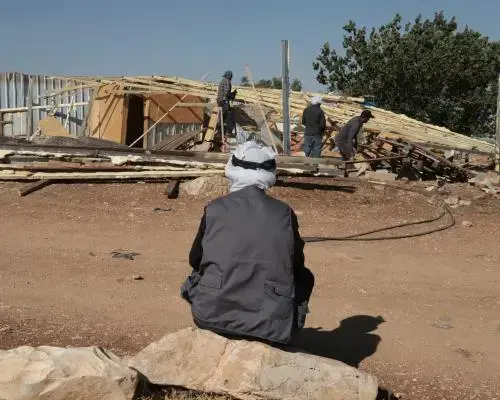
B’Tselem’s findings point to a coordinated effort involving military orders, administrative regulations, and settlement expansion. The report documents a series of actions that restrict Palestinian movement, demolish homes, and limit access to water and electricity. According to the organization, these measures are designed to erode the viability of Palestinian villages and towns, forcing residents into dependency or displacement.
Is the West Bank Becoming a „Zero‑Population Zone”?
The report outlines a multi‑layered strategy that combines legal, administrative, and military tools. Military orders have been issued to block roads and cut off access to essential services. Administrative permits for construction and repairs are routinely denied, while settlement expansion encroaches on Palestinian land. The organization also highlights the systematic demolition of structures deemed „unauthorized,” often citing safety concerns that are rarely applied to Israeli settlements. These tactics, B’Tselem argues, create a climate of insecurity that undermines community cohesion and economic stability.
The question of whether the West Bank is being transformed into a „zero‑population zone” has intensified after the report’s release. Analysts note that the cumulative effect of restricted movement, resource denial, and forced relocations could lead to a significant decline in Palestinian population density. B’Tselem’s data show a sharp rise in demolitions and a corresponding drop in new housing permits, suggesting a deliberate attempt to reduce the number of people able to live and work in their own communities.
What the Future Holds for Palestinian Communities
The implications are grave. If the trend continues, Palestinian towns could face severe depopulation, loss of cultural heritage, and a breakdown of local governance. The international community has expressed concern, calling for an end to policies that threaten the basic rights of Palestinian residents.
Frequently Asked Questions
The report warns that without immediate intervention, the West Bank could witness a further erosion of its social fabric. The loss of homes, schools, and health facilities would deepen economic hardship and increase reliance on external aid. The situation also poses a challenge to the prospects of a two‑state solution, as the demographic and infrastructural landscape shifts in ways that make a viable Palestinian state increasingly difficult to establish.
International observers are urging Israel to reverse these policies and to engage in meaningful dialogue with Palestinian leaders. The outcome of this debate will shape the region’s stability and the future of millions of Palestinians who call the West Bank home.