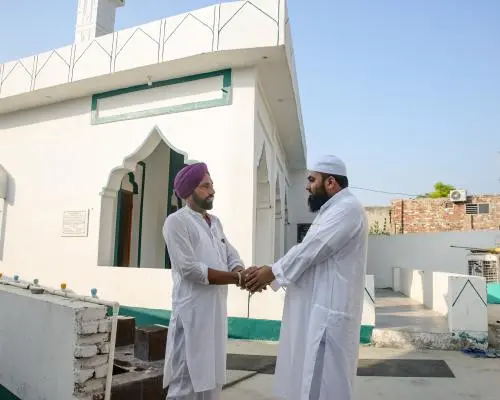
Bridging Divides Through Architecture
In the northern Indian state of Punjab, an 87-year-old man named Gajju Khan is leading a remarkable effort to rebuild a local mosque. Abandoned during the sectarian violence of the 1947 partition, the structure is being restored through the collective labor and financial support of Sikhs, Hindus, and Muslims alike.
Breaking news
 Montenegro, Albania Seek NATO Help to Counter Russian Disinformation
 Ronna McDaniel Weighs In on GOP's Path Forward
 Market Sentiment Shifts as S&P 500 Snaps Three-Day Losing Streak
 Voters Demand Stronger Congressional Oversight of Presidential Power
For decades, the village site stood as a silent relic of a turbulent past. Khan, who last heard the Islamic call to prayer in his youth, now oversees the construction project. This initiative has transformed a neglected ruin into a symbol of communal harmony and reconciliation for the entire region.
The restoration project relies on the voluntary contributions of neighbors from diverse religious backgrounds. Local residents believe that preserving these historic sites is essential for healing old wounds. By working side-by-side, the community members are reclaiming a shared history that was nearly erased by decades of neglect and political division.
Can Shared Spaces Heal Historical Scars?
The mosque serves as more than just a place of worship. It acts as a physical bridge, connecting generations and fostering dialogue between groups that were once separated by conflict. Volunteers provide both labor and resources, ensuring the building reflects the collective identity of the village rather than a single faith.
Many similar structures across Punjab remain in ruins, serving as reminders of the mass displacement that occurred during the partition. The success of this project suggests that local cooperation can overcome deep-seated prejudices. Participants argue that when people restore a common landmark, they also restore their shared humanity.
Frequently Asked Questions
As the minarets rise once again, the village looks toward a future defined by peace rather than past animosity. Khan hopes the completed mosque will stand as a testament to the power of unity. The project proves that when communities focus on preservation, they can effectively bridge the gaps left by history.
What motivated the community to rebuild the mosque? The project was driven by a desire to preserve local heritage and foster unity among neighbors. Residents wanted to honor the history of their village by restoring a site that had been abandoned for decades.
Who is funding the construction of the mosque? The restoration is supported by the collective efforts of local Sikhs, Hindus, and Muslims. These groups contribute both money and physical labor to ensure the building is completed for the entire community.