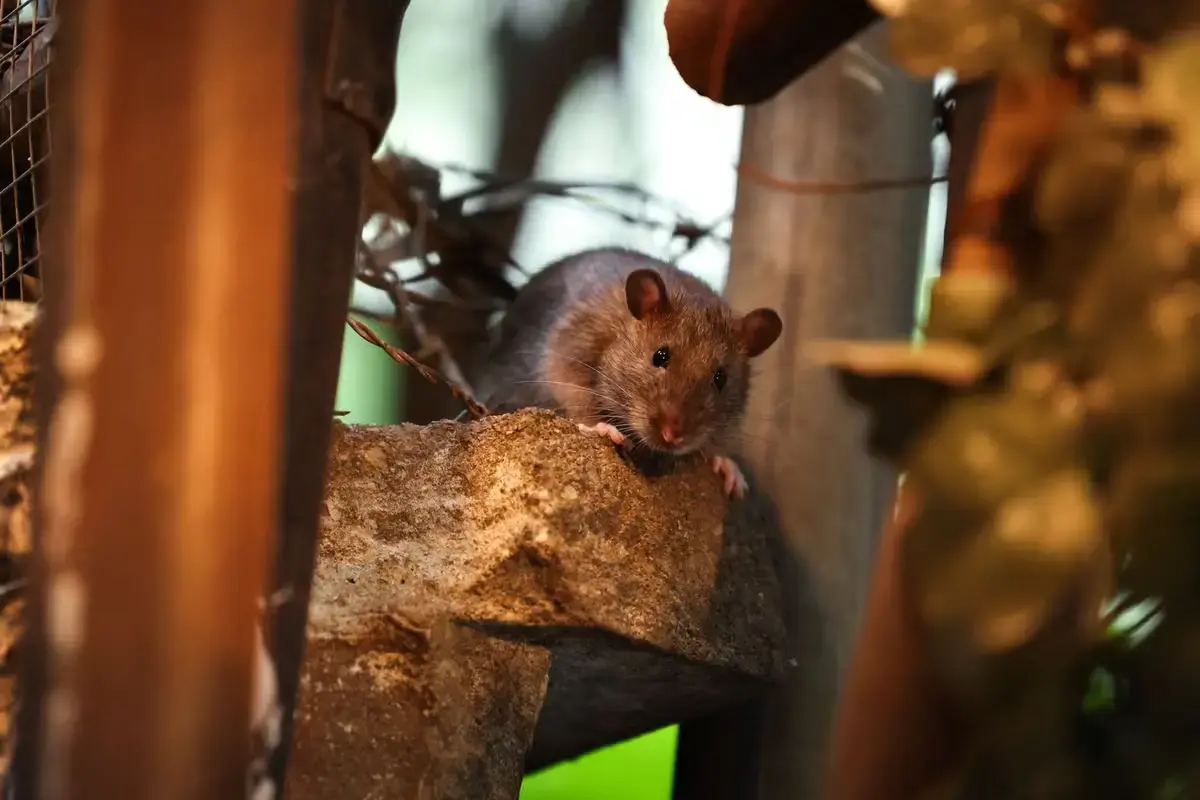
Rodent-Borne Diseases on the Rise
Rats and mice are evolving to withstand poison, researchers warn, increasing the threat of deadly diseases to humans. This development has been observed in various parts of the world, including the Americas. The warning comes as a result of a recent study.
Breaking news
 Deadly Glacier and Rock Collapse in Nepal Linked to Climate Warming
 US Congress Passes Sweeping Sanctions Against Russia
 Speaker Johnson Ends House Session Early to Halt Impeachment Effort
 The High-Stakes Fight for Senate Majority Control
The rodents' resistance to poison is a result of genetic mutations that have enabled them to survive exposure to toxic substances. As a result, the use of poison as a means of controlling rodent populations is becoming less effective.
Can We Regain Control of Rodent Populations?
Leptospirosis, a flu-like bacterial disease, and hantavirus, a viral infection, are among the diseases that can be transmitted to humans through contact with infected rodents. The risk of transmission is heightened when rodent populations surge, as is often the case in urban areas.
The mutation of rats and mice is a cause for concern, as it suggests that these rodents will continue to thrive despite efforts to control their numbers. Experts warn that the situation could lead to an increase in the spread of diseases.
Frequently Asked Questions
The growing resistance of rodents to poison raises questions about the effectiveness of current pest control methods. As the rodents continue to evolve, new strategies will be needed to mitigate the risks associated with their presence.
The consequences of inaction could be severe, with the potential for outbreaks of rodent-borne diseases. As the situation continues to unfold, researchers and public health officials will need to work together to develop effective solutions.