Escalating Tensions in the Luzon Strait
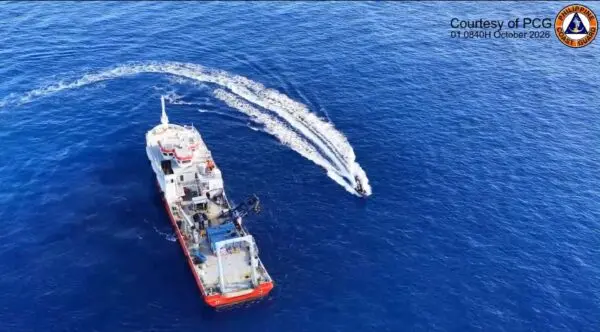
The Philippines has formally rejected China's assertion of sovereign rights over maritime areas surrounding its northernmost province of Batanes, stating such claims lack legal basis under international law. The rejection comes amid increased Chinese maritime activity near the Luzon Strait, a critical waterway connecting the South China Sea to the Pacific Ocean. Philippine officials emphasized that the waters around Batanes fall within the country's exclusive economic zone as defined by the United Nations Convention on the Law of the Sea.
Breaking news
 Ronna McDaniel Weighs In on GOP's Path Forward
 Market Sentiment Shifts as S&P 500 Snaps Three-Day Losing Streak
 Voters Demand Stronger Congressional Oversight of Presidential Power
 Pelosi Looks Back, Sees Democratic Triumph Ahead
Chinese vessels have been observed conducting surveys and patrols in the area, raising concerns in Manila about potential encroachment on Philippine territorial sovereignty. The Philippine Department of Foreign Affairs noted that these actions coincide with broader Chinese assertiveness in regional waters, including near Scarborough Shoal and the Spratly Islands. Manila maintains that freedom of navigation and overflight must be respected, but rejects any claim that undermines its jurisdictional rights in its own maritime zones.
How Will the Philippines Respond Moving Forward?
The Luzon Strait has gained strategic importance due to its role in global trade and military mobility, making it a focal point in Sino-Philippine maritime relations. Analysts suggest China's increased presence may be aimed at monitoring foreign naval movements or asserting influence over key chokepoints. The Philippines, while seeking diplomatic engagement, has strengthened its maritime surveillance capabilities and coordinated with allies to monitor developments. Officials warn that unilateral actions could destabilize the region and undermine rules-based order.
Manila has stated it will continue to assert its rights through diplomatic channels and legal mechanisms, including possible recourse to international tribunals if necessary. The government also plans to enhance coastal radar systems and increase naval patrols in northern waters. While avoiding direct confrontation, Philippine leaders stress that national sovereignty is non-negotiable and any infringement will be met with a calibrated but firm response. Balancing assertiveness with restraint remains a core challenge for policymakers.
What specific actions has China taken near Batanes? Chinese government vessels have conducted hydrographic surveys and routine patrols in the waters off Batanes, particularly in areas overlapping with the Philippines' claimed exclusive economic zone. These activities have been monitored by Philippine coast guard and naval assets.
Frequently Asked Questions
Is the Philippines seeking international support over this issue? Yes, the Philippines has engaged with regional partners and allies to express concerns about China's maritime activities, emphasizing the importance of upholding UNCLOS and peaceful dispute resolution. However, Manila prefers bilateral dialogue first before escalating to multilateral forums.
Could this lead to a military confrontation? While both sides aim to avoid escalation, analysts warn that repeated incursions or miscalculations heighten the risk of accidental clashes. The Philippines is focused on strengthening deterrence through preparedness while keeping diplomatic avenues open.