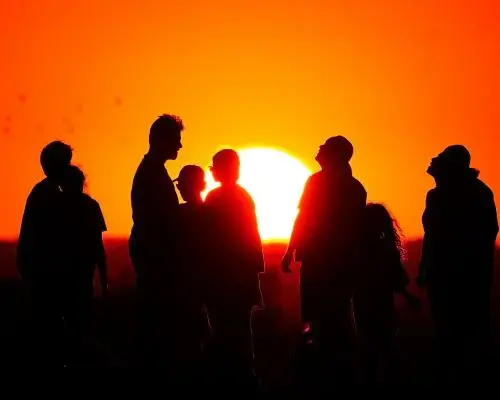
Unprecedented Warming in the North
Europe experienced an exceptionally warm year. A recent report reveals extreme heat impacted over 95% of the continent. July’s Nordic heatwave, pushing temperatures above 86°F within the Arctic Circle, was a key part of this record. Scandinavia faced 21 days of intense heat.
Breaking news
 Deadly Glacier and Rock Collapse in Nepal Linked to Climate Warming
 US Congress Passes Sweeping Sanctions Against Russia
 Speaker Johnson Ends House Session Early to Halt Impeachment Effort
 The High-Stakes Fight for Senate Majority Control
The summer brought unusually high temperatures across much of Europe. Scientists found annual sea surface temperatures reached record levels. This widespread heat contributed to „tropical nights” even in normally cooler Nordic nations. The intensity and scope of the heat were remarkable.
Scandinavia bore the brunt of the prolonged heat. The 21-day stretch of scorching weather was highly unusual for the region. This created conditions more typical of southern Europe. The report highlights the increasing frequency of such events. It demonstrates a clear shift in climate patterns.
Is This the New Normal for Europe?
The record-breaking temperatures weren’t isolated to Scandinavia. Most of Europe felt the impact of the extreme heat. This included countries further south, which already experience warmer summers. The combination of widespread and intense heat is alarming. It signals a worrying trend for the future.
Experts are concerned about the implications of these findings. The data suggests a significant acceleration in warming trends. This is especially noticeable in regions previously considered immune to extreme heat. The report emphasizes the need for urgent action. Reducing greenhouse gas emissions is critical to mitigating future warming.
The consequences of these high temperatures are far-reaching. They include increased risks of wildfires, droughts, and heat-related illnesses. Ecosystems are also under stress, with potential impacts on biodiversity. The long-term outlook suggests these extreme events will become more frequent and severe. Adapting to this new reality is now essential.
Frequently Asked Questions
What caused the Nordic heatwave? The heatwave was driven by a combination of factors. These included high-pressure systems and changing atmospheric circulation patterns. Climate change also played a significant role, intensifying the heat.
How were sea surface temperatures measured? Scientists used a variety of methods to track sea surface temperatures. These included satellite data and measurements from buoys and ships. The data revealed a clear and consistent warming trend.
What does this mean for future summers in Europe? Future summers are likely to be hotter and more extreme. The report suggests that record-breaking temperatures will become more common. This will require significant adaptation measures to protect both people and the environment.