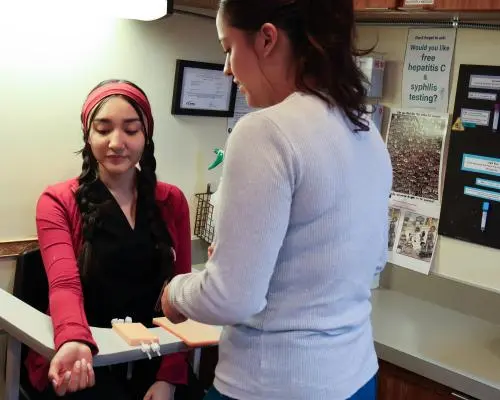
Training the Next Generation of Bilingual Health Educators
New Mexico faces a critical shortage of bilingual healthcare professionals. Casa de Salud is training college students as health educators to fill the gap. The program targets Spanish-speaking patients who struggle to access care.
Breaking news
 Ronna McDaniel Weighs In on GOP's Path Forward
 Market Sentiment Shifts as S&P 500 Snaps Three-Day Losing Streak
 Voters Demand Stronger Congressional Oversight of Presidential Power
 Pelosi Looks Back, Sees Democratic Triumph Ahead
The state needs more bilingual doctors and nurses. Many patients speak Spanish at home but receive care in English. This language barrier leads to misdiagnosis and poor health outcomes. Casa de Salud addresses this by preparing students to communicate effectively with Spanish-speaking communities.
The program focuses on practical skills. Students learn to take vital signs, explain procedures, and answer basic health questions. They also study health literacy and cultural sensitivity. This training prepares them to work in clinics, community centers, and hospitals.
How Bilingual Educators Improve Patient Outcomes
Patients who understand their care make better health decisions. Bilingual educators reduce errors and increase adherence to treatment plans. They also help patients navigate insurance, appointments, and medication instructions. In New Mexico, where Spanish is widely spoken, this support is essential.
The state’s healthcare system relies on these educators to close the communication gap. As the program expands, more patients will receive clear, culturally appropriate care. This could reduce hospital readmissions and improve overall health equity.
Frequently Asked Questions
What is Casa de Salud? Casa de Salud is a program that trains college students as bilingual health educators. It focuses on serving Spanish-speaking communities in New Mexico.
Why are bilingual educators needed? Many patients in New Mexico speak Spanish at home. Without bilingual staff, they face barriers to understanding diagnoses, treatments, and preventive care.
How does the training work? Students learn clinical skills like taking blood pressure and explaining procedures. They also study trauma-informed care and cultural communication. The goal is to build patient trust and improve health outcomes.