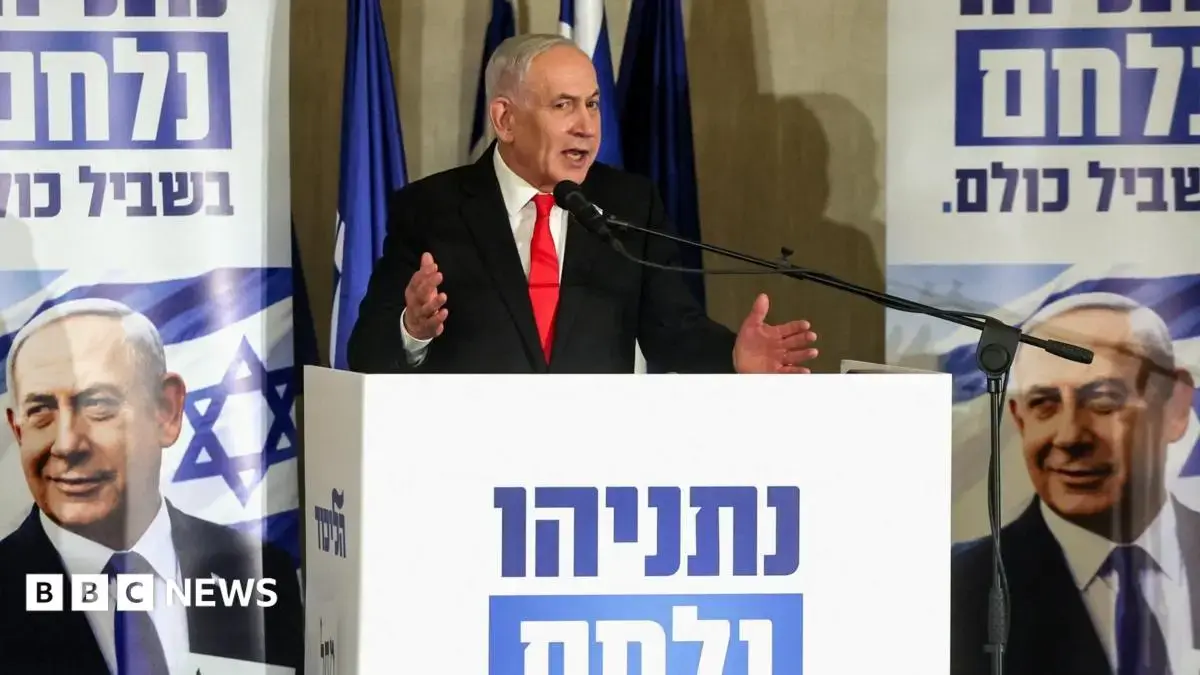
Dispute Over Early Intelligence Sharing
Israeli Prime Minister Benjamin Netanyahu has instructed his legal team to initiate defamation proceedings against a major domestic newspaper. The lawsuit targets a recent story claiming that the United Arab Emirates provided early warning of the October 7 attacks. Netanyahu’s office described the publication as part of a coordinated effort to undermine his leadership during a critical period.
Breaking news
 Deadly Glacier and Rock Collapse in Nepal Linked to Climate Warming
 US Congress Passes Sweeping Sanctions Against Russia
 Speaker Johnson Ends House Session Early to Halt Impeachment Effort
 The High-Stakes Fight for Senate Majority Control
The dispute centers on excerpts from a new book that were published in the press. The newspaper reported that Abu Dhabi officials alerted Tel Aviv to potential threats before the Hamas-led offensive began. Netanyahu’s spokesperson stated that the report was inaccurate and damaging to the prime minister’s reputation. Legal filings indicate that the government intends to seek financial compensation for the alleged harm caused by the coverage.
The core of the disagreement involves the timing and nature of intelligence shared between the two nations. The newspaper argued that it had every right to publish the findings from the book. It maintained that the public deserved to know how regional allies communicated with Israel prior to the conflict. Netanyahu’s camp countered that the details were sensitive and that the framing suggested a failure in coordination. They claimed the story implied that the prime minister ignored clear signals from a key Gulf partner. This narrative fits into a broader political battle within Israel over responsibility for the events of October 7.
Is the Legal Move Political?
Critics of the prime minister have long pointed to diplomatic communications as evidence of missed opportunities. Supporters argue that the legal action is a strategic move to silence dissenting voices. The lawsuit adds another layer to the complex relationship between Israel and the UAE. Both countries maintain strong ties, yet this legal challenge highlights underlying tensions regarding transparency and accountability.
Observers question whether the lawsuit serves a judicial purpose or a political one. Some analysts suggest that suing a prominent media outlet sends a strong message to other journalists. It may discourage future investigations into pre-war intelligence assessments. The newspaper has stated it will stand by its reporting and fight the case vigorously. Its editors emphasized that the information came from credible sources within the book. They view the legal pressure as an attempt to control the narrative surrounding the war’s origins.
Frequently Asked Questions
The outcome of this case could set a precedent for media freedom in Israel. If the court rules in favor of the prime minister, it might embolden future legal challenges against the press. Conversely, a ruling for the newspaper would reinforce the right to publish investigative findings. Legal experts note that defamation cases involving heads of state often take years to resolve. The process will likely involve extensive discovery and testimony from intelligence officials.
Why is Netanyahu suing the newspaper? The prime minister believes the report defamed him by suggesting he ignored warnings from the UAE. His legal team argues the story was part of a sinister plot to damage his standing.
What did the newspaper say about the lawsuit? The publication stated it stands by its original reporting. It claims the story was based on verified extracts from a published book and intends to defend the case in court.