Precision in Detecting Synthetic Prose
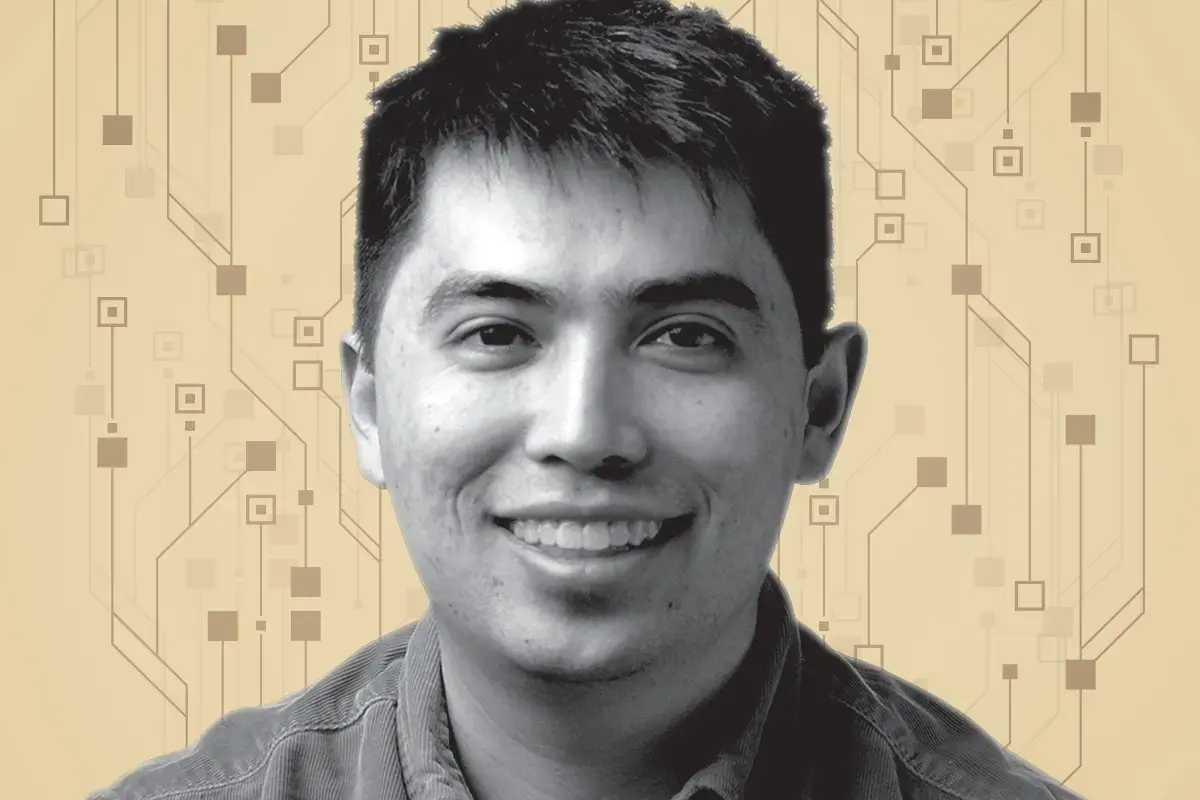
Pangram Labs founder Max Spero has been named to Time magazine’s list of the one hundred most influential people in artificial intelligence. This recognition highlights his work in developing advanced tools that identify machine-generated text. The company focuses on creating systems that distinguish between human and AI writing with high precision.
Breaking news
 Deadly Glacier and Rock Collapse in Nepal Linked to Climate Warming
 US Congress Passes Sweeping Sanctions Against Russia
 Speaker Johnson Ends House Session Early to Halt Impeachment Effort
 The High-Stakes Fight for Senate Majority Control
The core technology relies on analyzing specific linguistic patterns found in synthetic prose. Pangram Labs claims its models achieve over ninety-nine point five percent accuracy in internal testing. These results suggest the system can reliably separate fully human-authored content from AI-generated drafts. The distinction is becoming increasingly important as digital content floods online platforms.
The detection process involves scanning text for subtle structural anomalies. Human writers often exhibit irregular pacing and varied sentence structures. In contrast, large language models tend to produce smoother, more predictable outputs. Pangram Labs leverages these differences to flag potential AI involvement. Their approach does not rely on simple keyword matching but rather deep pattern recognition. This method allows for nuanced analysis of complex documents.
Why Accuracy Matters in Digital Publishing
The company emphasizes that its tools are designed for various professional and academic settings. Editors, journalists, and educators face growing challenges in verifying authorship. By providing a reliable verification layer, Pangram Labs aims to restore confidence in written communication. The high accuracy rate reported in their tests positions them as a leader in this emerging field.
As generative AI becomes ubiquitous, the line between human and machine creation blurs. Readers and stakeholders need assurance about the origin of critical texts. High stakes exist in legal, medical, and financial documentation where clarity is paramount. A false positive or negative can have significant consequences for credibility. Therefore, robust detection tools serve as a vital quality control mechanism.
Spero’s inclusion in the influential list underscores the broader impact of such technologies. It signals that the industry values solutions that address transparency issues. The focus on accuracy reflects a shift toward practical, deployable AI applications. Rather than just generating content, the next wave of innovation centers on verifying it. This balance ensures that AI serves as a helpful tool without undermining trust.
Frequently Asked Questions
The future of digital publishing depends on these verification standards. As models evolve, detection algorithms must adapt accordingly. Continuous research will be necessary to maintain high detection rates. Stakeholders across sectors will likely adopt similar tools to manage content integrity. The journey toward transparent AI usage continues to gain momentum globally.
How accurate is the detection system? Internal tests indicate the system achieves over ninety-nine point five percent accuracy. This figure applies to distinguishing fully human-written text from AI-generated content.
Who benefits from this technology? Editors, academics, and publishers benefit most from these tools. They use the system to verify authorship and maintain content standards in their workflows.