Conspiracy Allegations Unfold
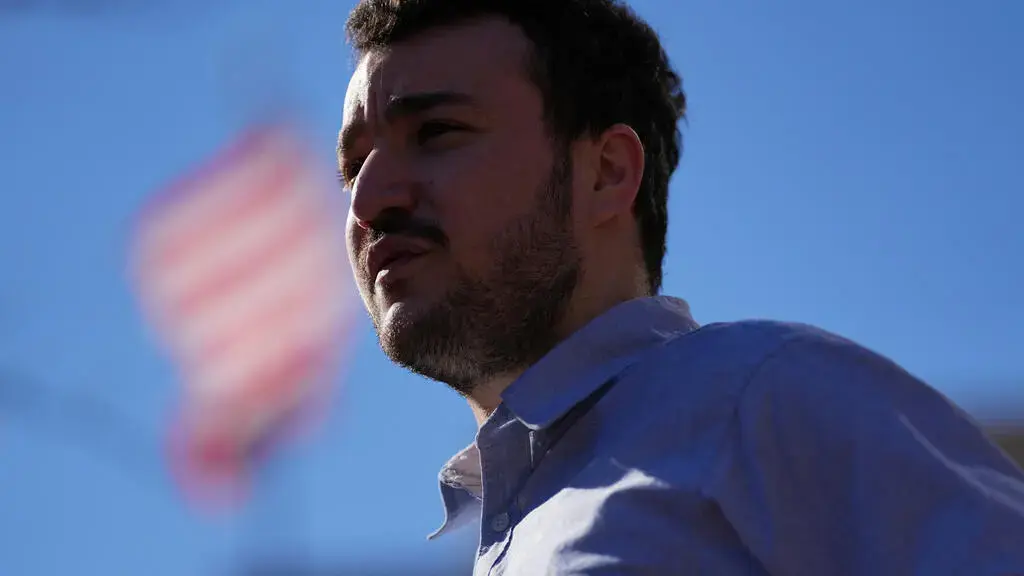
Mahmoud Khalil, a former Columbia University student, has filed a federal lawsuit against senior Trump administration officials and pro-Israel groups. The lawsuit alleges a conspiracy against him. Khalil became a prominent figure in protests against Israeli policies.
Breaking news
 Deadly Glacier and Rock Collapse in Nepal Linked to Climate Warming
 US Congress Passes Sweeping Sanctions Against Russia
 Speaker Johnson Ends House Session Early to Halt Impeachment Effort
 The High-Stakes Fight for Senate Majority Control
Khalil's lawsuit claims that his involvement in pro-Palestinian demonstrations led to a coordinated effort to silence him. He alleges that officials and groups targeted him for his activism. The case highlights the tense dynamics surrounding Middle East issues on US campuses.
The lawsuit names several high-ranking officials from the Trump administration, accusing them of working with pro-Israel groups to suppress Khalil's activism. It details a series of events that Khalil believes demonstrate a conspiracy against him. These include his detention and interrogation by US authorities upon returning from a trip abroad.
Can Free Speech Survive the Backlash?
Khalil's experience is not isolated. Many students and activists have faced similar treatment for their involvement in pro-Palestinian protests. The lawsuit argues that this is part of a broader pattern of intimidation and repression.
The outcome of Khalil's lawsuit could have significant implications for free speech on US campuses. If the court rules in his favor, it may set a precedent for protecting activists from similar targeting. The case also raises questions about the influence of pro-Israel groups on US policy and their role in suppressing dissent.
The lawsuit's consequences could be far-reaching, potentially affecting how universities handle activism and protests. It may also lead to increased scrutiny of government agencies and their interactions with advocacy groups.
Frequently Asked Questions
What is Mahmoud Khalil accusing Trump officials of? Khalil alleges that they conspired with pro-Israel groups to target him for his pro-Palestinian activism. This includes detention and interrogation.
What are the potential implications of the lawsuit? A ruling in Khalil's favor could protect student activists from similar targeting and set a precedent for free speech on campuses.
How does Khalil's case relate to broader issues? It highlights the tensions surrounding Middle East issues on US campuses and the influence of advocacy groups on US policy.