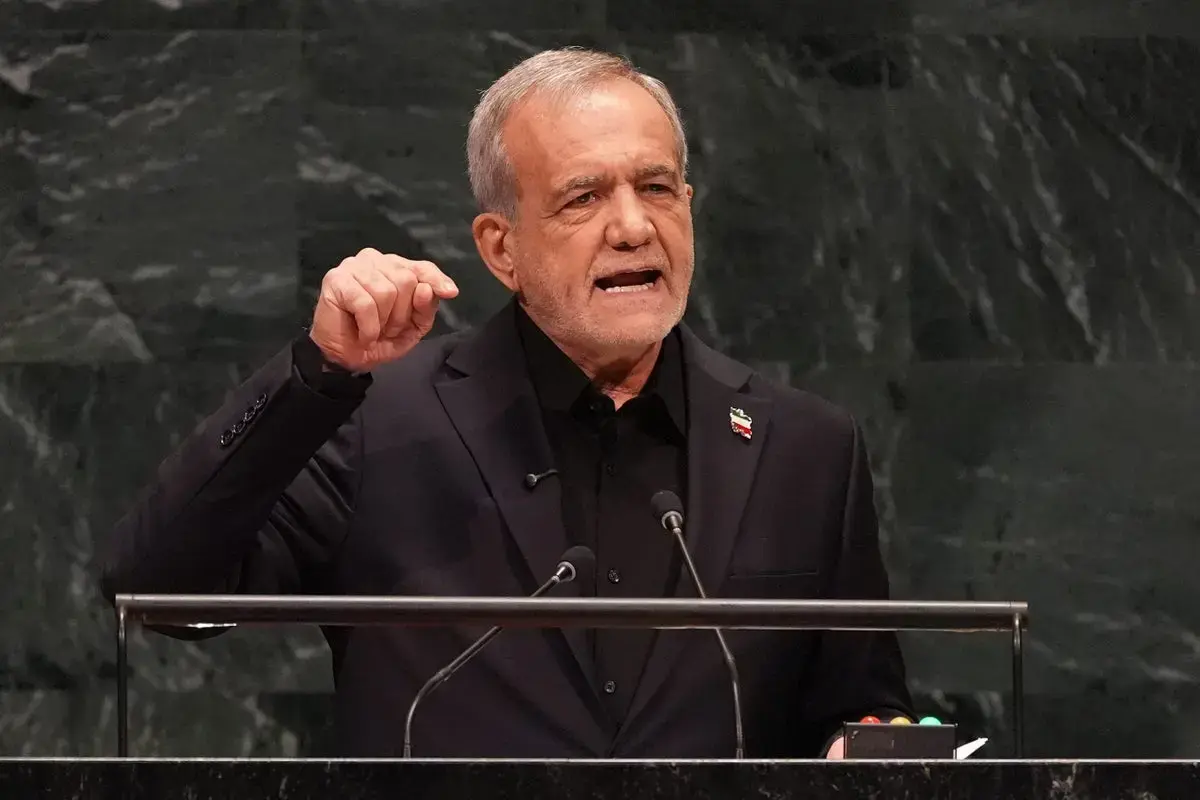
Human Cost of the Minab School Attack
Iran's President Masoud Pezeshkian condemned U. S. actions following a deadly airstrike on a girls' school in Minab, calling President Donald Trump a bullywhile signaling Tehran's willingness to resume diplomatic discussions. The attack, which occurred on the first day of recent hostilities, left dozens of students dead and intensified regional tensions.
Breaking news
 Ronna McDaniel Weighs In on GOP's Path Forward
 Market Sentiment Shifts as S&P 500 Snaps Three-Day Losing Streak
 Voters Demand Stronger Congressional Oversight of Presidential Power
 Pelosi Looks Back, Sees Democratic Triumph Ahead
Pezeshkian addressed the nation after visiting the damaged school in Minab, where he viewed the aftermath of the strike that targeted the educational facility. He emphasized that while Iran remains resilient, the humanitarian toll on civilians—particularly children—cannot be ignored. The president's remarks came amid ongoing exchanges between Tehran and Washington, with both sides trading blame for the escalation.
The strike on the girls' school in Minab resulted in the deaths of dozens of students, according to Iranian officials. Pezeshkian described the scene as devastating, stating that the images of the young victims would remain etched in the collective memory of the nation. He accused the U. S. of deliberately targeting civilian infrastructure, a claim Washington has not yet addressed publicly. The attack has drawn condemnation from several international organizations, which have called for independent investigations into the incident.
Can Diplomacy Still Prevail Amid Escalating Tensions?
Iranian state media reported that emergency services worked through the night to recover bodies and treat survivors, many of whom were critically injured. The tragedy has sparked outrage across Iran, with protests erupting in several cities demanding justice for the fallen students.
Despite his harsh criticism of Trump, Pezeshkian reiterated Iran's readiness to engage in dialogue with the United States. He stated that while Iran will not tolerate aggression, it remains committed to resolving disputes through peaceful means. However, he emphasized that any negotiations must be based on mutual respect and an end to what he described as U. S. interference in Iran's internal affairs.
Regional analysts suggest that the path to de-escalation remains uncertain, with hardliners in both countries pushing for continued confrontation. The coming weeks will likely determine whether diplomatic channels can be reopened or if the conflict will spiral further out of control.
The international community continues to monitor the situation closely, with calls mounting for restraint from all parties involved. As Iran and the U. S. navigate this volatile period, the lives lost in Minab serve as a grim reminder of the human cost of war.
Frequently Asked Questions
What triggered the recent Iran-U. S. conflict? Tensions escalated following a series of military actions, including the deadly airstrike on the girls' school in Minab, which Iran attributes to U. S. forces.
Is Iran still open to negotiations with the U. S.? Yes, President Pezeshkian stated that despite condemning U. S. actions, Tehran is prepared to engage in dialogue under conditions of mutual respect.
What is the international response to the Minab school attack? Several humanitarian organizations and foreign governments have condemned the strike, calling for independent investigations and urging restraint to prevent further civilian casualties.