Shining a Light on Hidden Neural Pathways
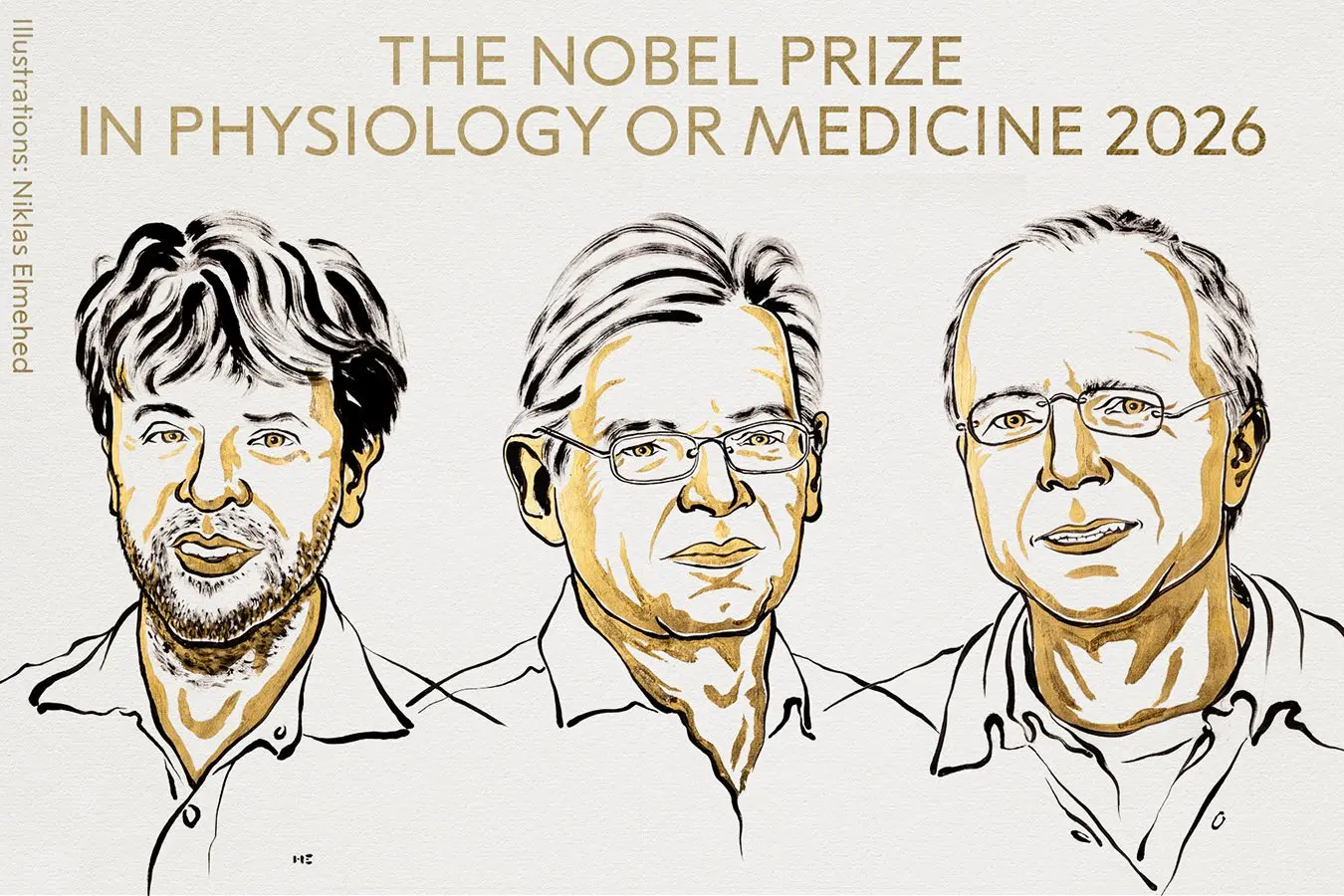
Three brilliant scientists won the 2026 Nobel Prize in Physiology or Medicine for pioneering optogenetics. Karl Deisseroth, Peter Hegemann, and Georg Nagel shared the prestigious award. Thomas Perlm, secretary general of the Nobel committee, announced the winners in Sweden. Their groundbreaking techniques allow researchers to control living genes using precise beams of light.
Breaking news
 Montenegro, Albania Seek NATO Help to Counter Russian Disinformation
 Ronna McDaniel Weighs In on GOP's Path Forward
 Market Sentiment Shifts as S&P 500 Snaps Three-Day Losing Streak
 Voters Demand Stronger Congressional Oversight of Presidential Power
The awarded trio developed revolutionary methods that merge optics with genetics. This powerful combination lets scientists activate or silence specific cells inside living tissue with remarkable precision. By using light-sensitive proteins, researchers can now map complex neural pathways and observe how cellular signals operate in real time.
How Does Light Control Living Genes?
Before this breakthrough, scientists struggled to isolate individual cellular functions without disrupting surrounding biological systems. Traditional pharmacological methods often affected entire organs rather than targeted cells. The new optical approach changed modern neuroscience entirely.
Researchers can now trigger specific behaviors in laboratory models simply by flashing light into targeted brain regions. This unprecedented control helps unlock the mysteries of neurological disorders, vision loss, and psychiatric conditions. The scientific community praised the discovery for transforming fundamental biology and medical research.
The technique relies on introducing naturally occurring, light-sensitive proteins into specific target cells. When illuminated with a precise wavelength, these proteins change shape and alter the electrical charge of the cell. This either stimulates or inhibits cellular firing depending on the experimental goal.
Frequently Asked Questions
Future medical therapies may soon use these light-activated tools to correct faulty cellular signaling in humans. Clinical applications could eventually restore lost sensory functions or treat chronic brain disorders with pinpoint accuracy. The 2026 Nobel recognition cements this optical technology as one of the most vital scientific advancements of the century.
Q: Who received the 2026 Nobel Prize in Physiology or Medicine? A: Karl Deisseroth, Peter Hegemann, and Georg Nagel won the award for their pioneering work in optogenetics.