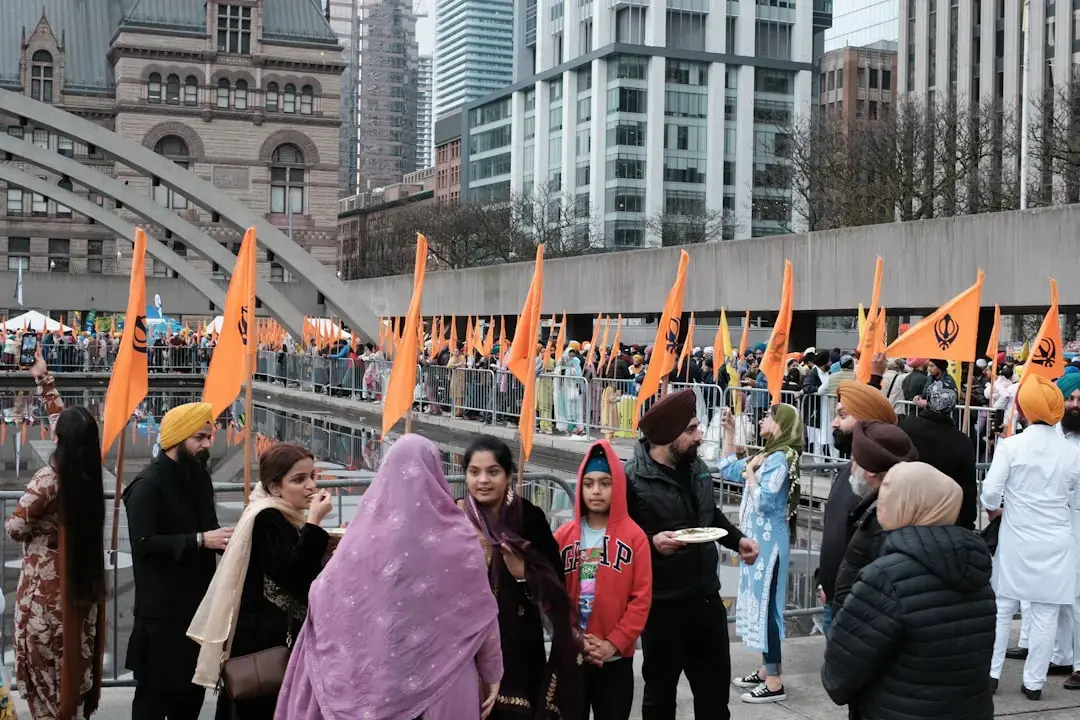
Controversy Surrounds the Rashtriya Swayamsevak Sangh
Hundreds gathered in New York to demonstrate against Mohan Bhagwat, the chief of the Rashtriya Swayamsevak Sangh (RSS), during his visit to the United States. The protests occurred alongside a large event at Madison Square Garden where Bhagwat was honored, drawing an estimated 5,000 attendees. Critics labeled the RSS as the „world's largest fascist organization,”accusing it of promoting Hindutva ideology. Demonstrators chanted slogans opposing Bhagwat's presence and the group's influence.
Breaking news
 Deadly Glacier and Rock Collapse in Nepal Linked to Climate Warming
 US Congress Passes Sweeping Sanctions Against Russia
 Speaker Johnson Ends House Session Early to Halt Impeachment Effort
 The High-Stakes Fight for Senate Majority Control
The RSS, a paramilitary Hindu nationalist organization founded in 1925, has long been central to India's right-wing politics. Bhagwat, who leads the group since 2000, oversees its global network of volunteers. The New York event marked his first public appearance in the city since 2012, highlighting the RSS's expanding international footprint. Protesters, including members of Hindu minority groups and secular activists, argued that Bhagwat's visit symbolized the group's attempt to export its ideology abroad. „The RSS has no business in a country that values religious freedom,”said one protester, identifying as a Tamil Hindu.
The RSS has faced intense scrutiny for its role in India's Hindu nationalist movement. Critics point to its alleged support for violence against religious minorities, particularly Muslims and Christians. In 2020, the organization was banned in Bangladesh for allegedly promoting extremism. Its ideology emphasizes Hindu cultural supremacy, often clashing with secular democratic principles. In the U. S., the RSS has cultivated ties with diaspora communities, hosting events to recruit young Hindus. However, these efforts have sparked debates over the group's true intentions. A 2023 U. S. State Department report noted the RSS's growing influence but stopped short of labeling it a terrorist entity.
How Do the Protests Reflect Broader Global Tensions?
The demonstrations in New York mirror rising tensions between Hindu nationalist movements and secular societies abroad. In the U. S., Hindu diaspora communities remain divided over the RSS's activities. Some view the group as a defender of Hindu culture, while others see it as a threat to pluralism. The protests also underscore the RSS's strategic use of international platforms to legitimize its agenda. Analysts suggest that Bhagwat's visit could pressure India's government to address diaspora concerns, particularly as the ruling BJP, allied with the RSS, faces criticism for its handling of minority rights.
The protests have reignited discussions about the RSS's global strategy and its impact on India's international image. While the group portrays itself as apolitical, its ideological alignment with the BJP has made it a lightning rod for criticism. Observers warn that such events may deepen divisions within Hindu communities worldwide, complicating efforts to foster interfaith harmony. As Bhagwat departs New York, the protests signal ongoing resistance to the RSS's expanding reach.
Frequently Asked Questions
What is the RSS's role in global Hindu nationalism? The RSS operates a worldwide network of volunteers promoting Hindu cultural values. It has established branches in countries like the U. S., Canada, and the UK, often targeting young Hindus to recruit members.
Why did Mohan Bhagwat visit New York? Bhagwat's visit was part of the RSS's efforts to strengthen ties with the Hindu diaspora and showcase its global influence. The event at Madison Square Garden honored his leadership and underscored the organization's reach beyond India.
How do critics view the RSS's activities in the West? Critics accuse the RSS of attempting to impose Hindu nationalist ideologies in secular societies. They argue that the group's presence abroad risks polarizing communities and undermining democratic values.