This expansion has created new opportunities but also raised concerns about
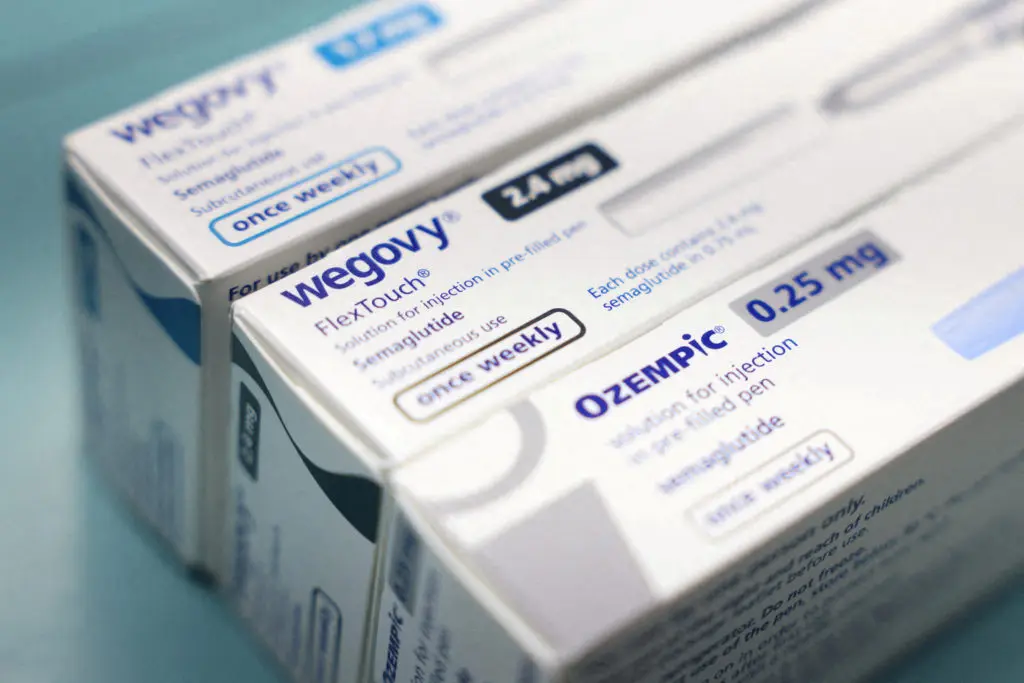
One in eight Americans now uses GLP-1 medications, marking a significant shift in how chronic conditions are managed across the country. Originally developed for diabetes treatment, these drugs have gained widespread attention for their weight loss effects and are increasingly prescribed for various health concerns. As of October 2026, their growing popularity has sparked both enthusiasm and scrutiny among patients, doctors, and policymakers. The surge in GLP-1 use stems from their ability to regulate appetite and blood sugar, leading to substantial weight reduction in many users. Beyond diabetes and obesity, researchers are investigating their potential in treating conditions like heart disease, liver disorders, and even addiction.
Breaking news
 Ronna McDaniel Weighs In on GOP's Path Forward
 Market Sentiment Shifts as S&P 500 Snaps Three-Day Losing Streak
 Voters Demand Stronger Congressional Oversight of Presidential Power
 Pelosi Looks Back, Sees Democratic Triumph Ahead
This expansion has created new opportunities but also raised concerns about long-term safety, accessibility, and equitable distribution of these costly medications. Emerging Applications Beyond Weight Loss Clinical trials are exploring GLP-1s for neurodegenerative diseases such as Alzheimer’s, with early results showing promise in slowing cognitive decline. Cardiologists are also studying their role in reducing heart attack and stroke risk independent of weight loss. Some patients report improved mental health outcomes, though experts caution that more rigorous data is needed before broadening indications. How Are Healthcare Systems Adapting to Demand? Hospitals and clinics are adjusting formularies and prior authorization processes to handle the influx of prescriptions. Insurance providers face pressure to cover these drugs for newly approved uses, while manufacturers work to increase production amid supply chain strains.
Public health officials warn that without proper oversight, misuse or off-label prescribing could undermine therapeutic benefits. Frequently Asked Questions What are the most common side effects of GLP-1 medications? Nausea, vomiting, and diarrhea are frequently reported, especially when starting treatment or increasing dosage. Most side effects tend to diminish over time as the body adjusts. Can GLP-1s be used safely for cosmetic weight loss? Medical professionals advise against using these drugs solely for aesthetic purposes without underlying health risks, as unnecessary use may lead to shortages for those with medical need. Are generic versions of GLP-1s expected to become available soon? While some formulations may face patent challenges in the coming years, widespread generic availability remains uncertain due to complex manufacturing and regulatory hurdles.