A Failed Strike Exposes a Broader Threat
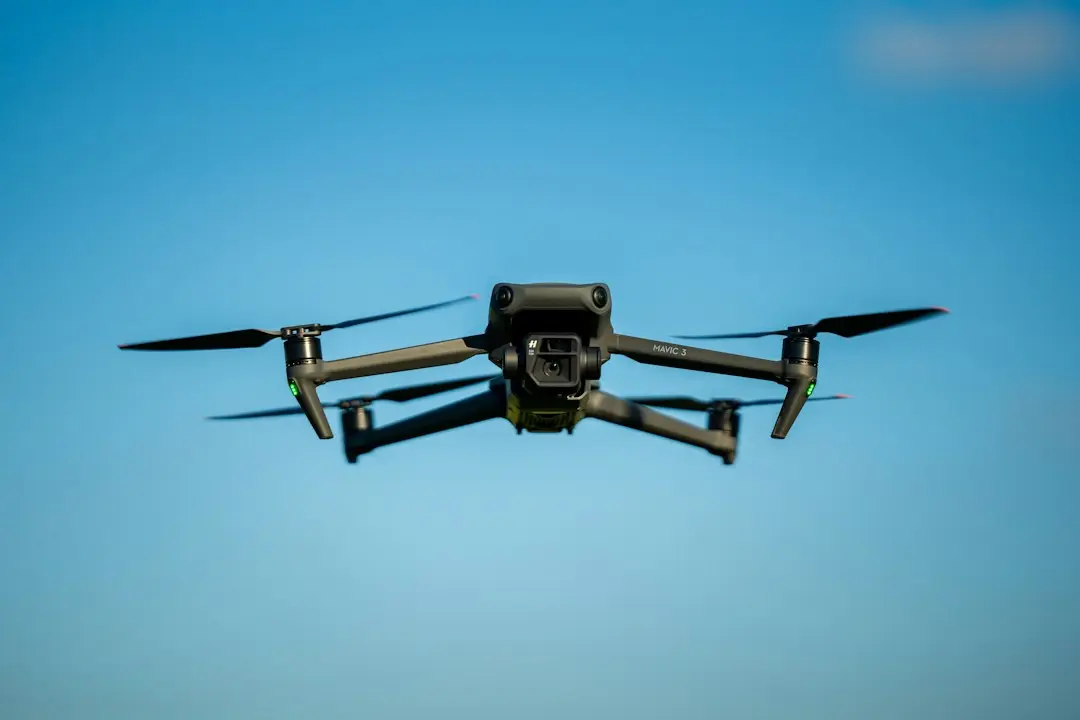
On August 4, a drone crashed into the wing of a Ukrainian aircraft at Germany’s Leipzig Airport, dropping a tin‑canned explosive onto the tarmac. The incident, though it did not detonate, has opened a window into what European officials suspect is a broader Russian campaign of attacks. Investigators recovered the drone and its payload, which contained a compact bomb. The device’s design and markings point to Russian manufacture. Analysts say the Leipzig incident is part of a series of covert strikes aimed at disrupting aviation and logistics in support of Russia’s war effort in Ukraine.
Breaking news
 Ronna McDaniel Weighs In on GOP's Path Forward
 Market Sentiment Shifts as S&P 500 Snaps Three-Day Losing Streak
 Voters Demand Stronger Congressional Oversight of Presidential Power
 Pelosi Looks Back, Sees Democratic Triumph Ahead
The drone, a small unmanned aerial vehicle, struck the left wing of a Ukrainian aircraft without causing damage to the plane. The tin can, hidden beneath the debris, contained a high‑explosive charge. When the device failed to detonate, investigators were able to examine the casing, wiring, and fusing system. The markings on the bomb match those used in previous attacks on Russian‑aligned targets across Europe.
Security officials in Berlin and Warsaw have confirmed that the device was part of a coordinated campaign. They say the attack was designed to create fear and divert resources from frontline operations. The failure to explode provided a rare glimpse into the operational details of the attackers.
What Does This Mean for European Aviation Security?
Experts warn that the incident is not isolated. Similar drones have been intercepted over Poland, the Czech Republic, and the Baltic states. Each time, the devices have been found to carry small but lethal charges. The Leipzig case is the first where investigators could study the bomb’s construction in depth. That knowledge could help authorities predict and counter future attacks.
European aviation regulators are tightening protocols at airports that handle Ukrainian aircraft. New screening measures will include checks for drone debris and potential explosive residues. Airlines are urged to adopt additional safety checks for aircraft that have been in conflict zones.
Frequently Asked Questions
The incident has also prompted a review of drone detection systems. German authorities plan to upgrade radar coverage and install ground‑based sensors that can track low‑altitude UAVs. The European Union is coordinating a joint task force to share intelligence on drone threats.
Polish officials have called the attack „a warning sign” that Russia may expand its use of drones beyond the battlefield. They argue that civilian air travel could become a target if the campaign escalates. The European Council is preparing a contingency plan that includes rapid response teams and emergency flight routes.
The final paragraph: The Leipzig drone incident, though a failed attack, has highlighted a growing threat to civil aviation in Europe. By exposing the design of Russian-made explosives, investigators have gained valuable intelligence that could help prevent future strikes. European airports are now on high alert, and authorities are working together to strengthen defenses against this evolving danger.