
How does the Lib Dem leader plan to counter rising populist rhetoric?
Leader says party ‘won’t give up the fight’ to defeat ‘nasty populism’ in first-day speech to delegates
Breaking news
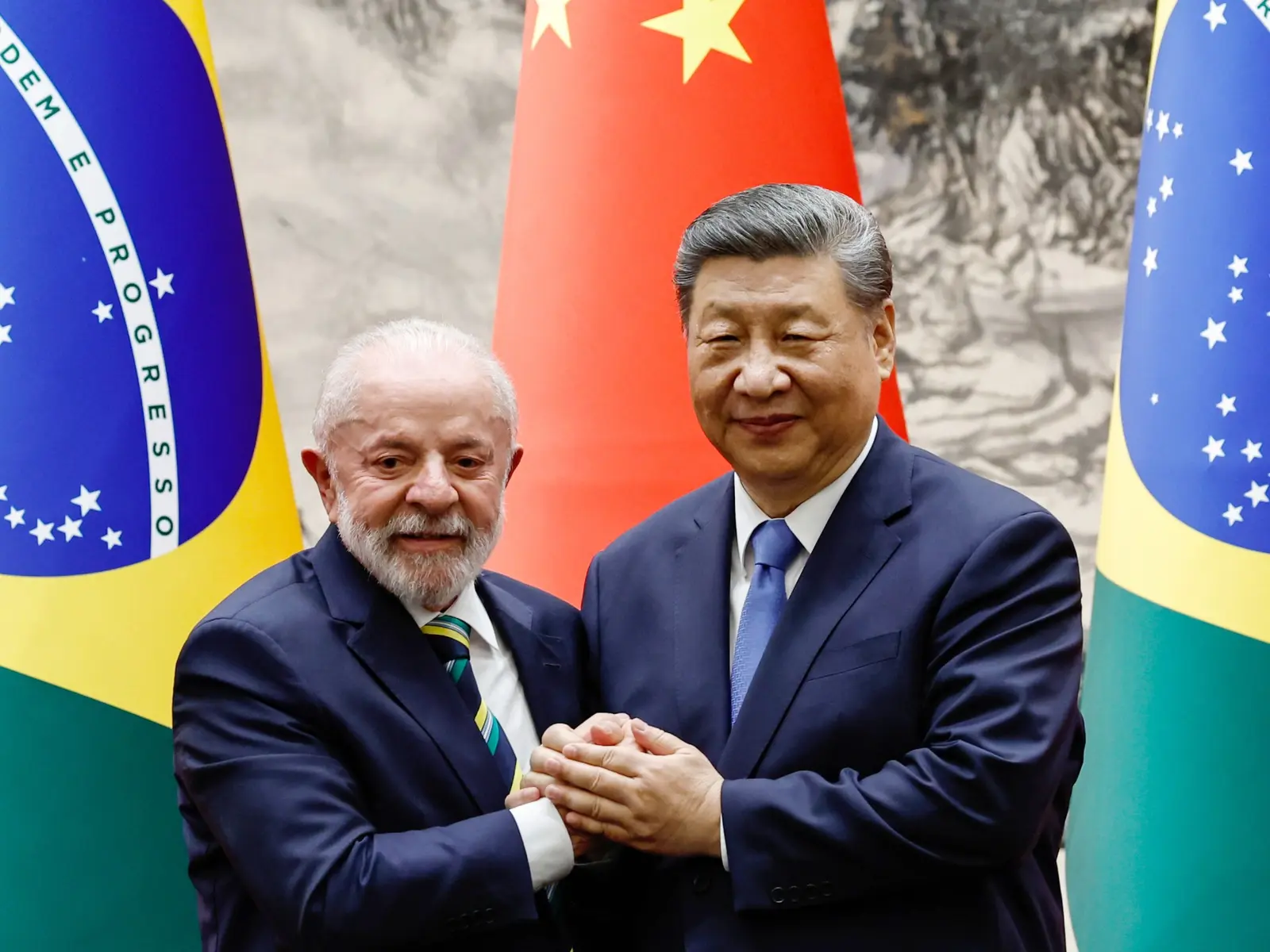 Lula’s Win Puts Global South Diplomacy to the Test
 Max Miller Loses Congressional Seat Amid Domestic Abuse Allegations
 Democrats Win Senate Control as Voters Reject Trump Agenda
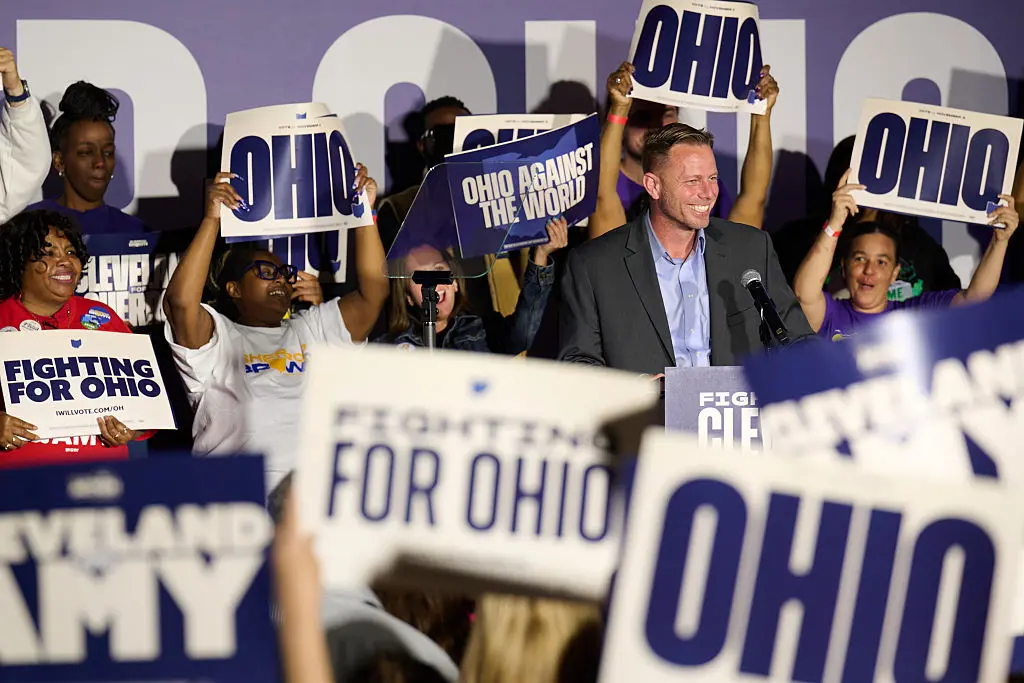 Democrat Brian Poindexter Defeats Incumbent Max Miller in Ohio’s Seventh District
Ed Davey opened the Liberal Democrat conference in Brighton with a defiant address to party members, warning that Reform UK and figures like Elon Musk are fuelling a tide of anger, hatred, and misinformation designed to wear down democratic opposition. Speaking on the first day of the annual gathering, the Lib Dem leader declared that his party would not retreat in the face of what he described as a deliberate strategy to grind down progressive values through division and deceit. He urged delegates to remain resolute, insisting that the fight against nasty populism must continue regardless of the noise and hostility being amplified online and in public discourse.
Davey specifically criticised Reform UK’s approach, suggesting the party hopes to exploit public frustration by allowing toxic narratives to erode trust in institutions and discourage civic engagement. He also pointed to the role of influential tech figures, implicitly referencing Elon Musk’s ownership of X and its impact on spreading unchecked content, as part of a broader ecosystem that rewards outrage over truth. The Lib Dem leader framed this moment as a critical juncture for liberal democracy, arguing that complacency would allow harmful forces to gain ground. His speech was met with strong applause from delegates eager to reassert the party’s relevance in a polarised political landscape.
What challenges lie ahead for the Liberal Democrats in the current political
Davey outlined a dual strategy focused on rebuilding community trust and offering a positive alternative to fear-based politics. He emphasised the importance of local engagement, pointing to the party’s strength in grassroots campaigning and its record of delivering pragmatic solutions in councils across the country. By highlighting issues such as sewage pollution, NHS waiting times, and the cost of living crisis, Davey argued that the Lib Dems can win back voters by demonstrating competence and compassion where others offer only slogans. He also called for greater investment in digital literacy and media resilience, suggesting that equipping the public to identify misinformation is as vital as traditional campaigning. The leader stressed that defeating populism requires not just opposition, but a credible vision of fairness, competence, and inclusion that resonates beyond the party’s traditional base.
Despite the energised tone of the speech, Davey acknowledged significant hurdles, including the party’s limited parliamentary presence and the dominance of Labour and Conservatives in national politics. He admitted that breaking through in a two-party–dominated system requires sustained effort, particularly in constituencies where tactical voting or apathy weakens Lib Dem prospects. Nevertheless, he expressed confidence that growing public disillusionment with both major parties opens space for a liberal alternative, especially among voters concerned about integrity, environmental responsibility, and democratic norms. The conference will continue over the coming days with policy debates on electoral reform, education, and green investment, all intended to shape a platform capable of appealing to disaffected moderates. Davey concluded by urging delegates to turn their resolve into action, insisting that the fight for a kinder, more honest politics is not only necessary but winnable.
Frequently Asked Questions
What did Ed Davey say about Reform UK’s strategy? He claimed Reform UK hopes that anger, hatred, and lies will grind down opposition through sustained negative campaigning and erosion of trust in democratic processes.
Why did Davey mention Elon Musk in his speech? He implicitly criticised Musk’s influence via X (formerly Twitter) as part of a broader trend where powerful platforms amplify divisive content, contributing to the spread of misinformation and toxic discourse.
How does the Lib Dem leader believe his party can win back voters? By focusing on local issues like sewage, healthcare, and cost of living, offering competent governance, and rebuilding trust through consistent, compassionate action in communities.