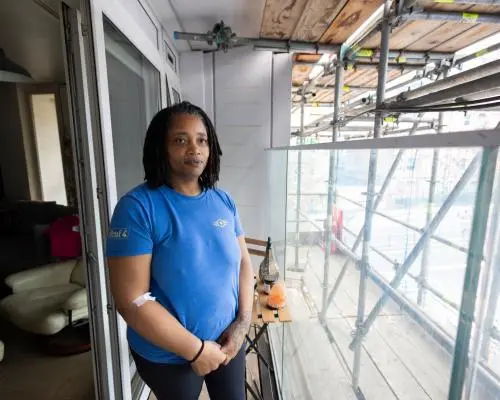
Residents report feeling isolated and depressed due to the lack of natural light
Residents of Archway Heights in north London say their homes remain shrouded in darkness due to persistent scaffolding covering the building, despite clear skies outside. Natasha Dyett describes how most rooms in her flat are in shadow, with her teenage son’s bedroom nearly pitch black except for narrow slivers of light. The nine-storey block has been wrapped in scaffolding for an extended period, blocking sunlight and creating gloomy living conditions. Delays stemming from post-Grenfell building safety regulations have left the structure encased longer than expected, affecting daily life for those inside. The ongoing safety checks and remedial work following the Grenfell Tower fire have led to prolonged scaffolding installation across many high-rise buildings in London. Archway Heights is one such block where inspections and necessary repairs have taken far longer than anticipated.
Breaking news
 Montenegro, Albania Seek NATO Help to Counter Russian Disinformation
 Ronna McDaniel Weighs In on GOP's Path Forward
 Market Sentiment Shifts as S&P 500 Snaps Three-Day Losing Streak
 Voters Demand Stronger Congressional Oversight of Presidential Power
Residents report feeling isolated and depressed due to the lack of natural light, with some saying it impacts their mental health and ability to work or study from home. Local authorities have cited complex structural assessments as the reason for the delay, though no clear timeline for removal has been provided. How long can residents endure living in near darkness? Natasha Dyett says her son struggles to read or do homework in his room without artificial lighting, even during midday. She has had to keep lamps on all day, increasing electricity costs and creating an unnatural environment. Other tenants echo similar concerns, noting that the constant gloom makes the building feel unwelcoming and unsafe, despite the scaffolding being intended to improve safety. One resident mentioned avoiding spending time in communal areas because they too are dim and oppressive.
The psychological toll of prolonged darkness is becoming a growing concern
The psychological toll of prolonged darkness is becoming a growing concern among occupants. What are officials doing to address the lighting and safety concerns? Housing officials state that scaffolding will remain until all safety certifications are confirmed, particularly regarding external cladding and structural integrity following Grenfell-era reforms. They acknowledge the impact on residents’ quality of life but insist safety cannot be compromised. Temporary lighting upgrades in shared spaces have been proposed, though no implementation date has been set. Residents’ associations have called for regular updates and compensation for inconvenience, arguing that prolonged exposure to poor lighting should be recognized as a habitability issue under housing standards. Frequently Asked Questions Why is the scaffolding still up at Archway Heights? The scaffolding remains due to ongoing safety inspections and remedial work required after the Grenfell Tower fire, with officials saying removal depends on passing structural and cladding safety assessments.
Are residents receiving any support for the lack of natural light? Currently, there is no formal compensation or relief package, though residents’ groups are advocating for recognition of the impact on wellbeing and potential adjustments to service charges. When might the scaffolding be removed? No official date has been given; timelines depend on the completion of safety certifications, which have faced repeated delays due to the complexity of assessments across multiple buildings.