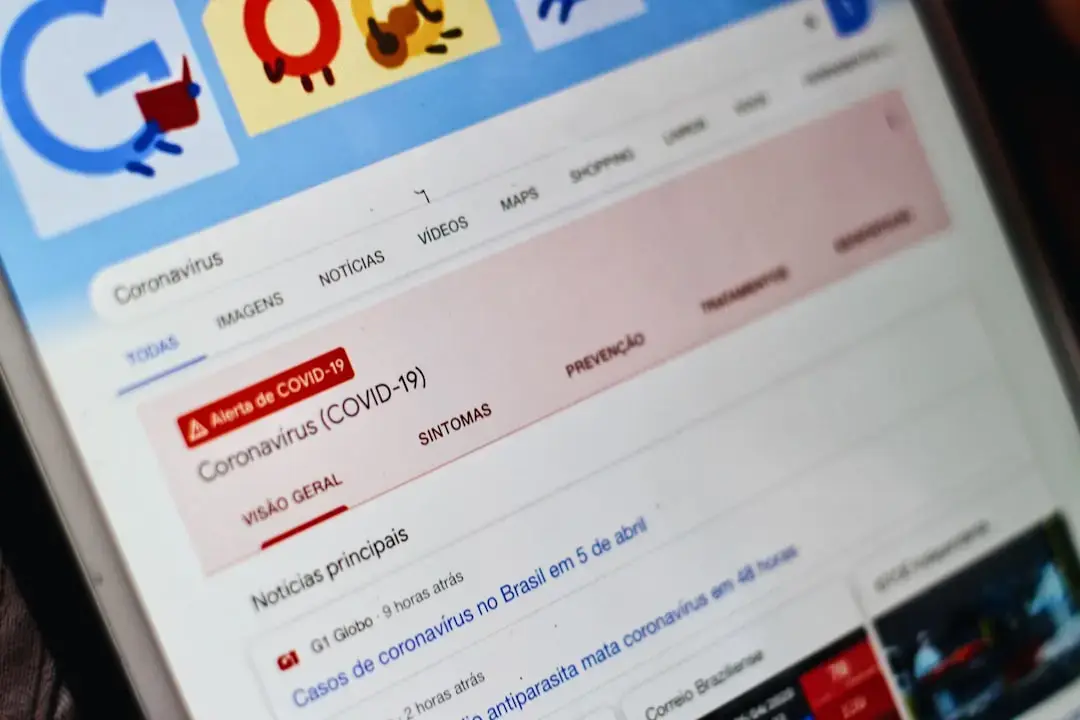
The Anatomy of Digital Deception
Fact-checkers are working around the clock to stop the rapid spread of digital falsehoods. By analyzing viral claims at their source, specialized teams verify the authenticity of online content. This rigorous process ensures that public information remains accurate, preventing the harmful consequences of manipulated media and deceptive narratives in our modern information landscape.
Breaking news
 Deadly Glacier and Rock Collapse in Nepal Linked to Climate Warming
 US Congress Passes Sweeping Sanctions Against Russia
 Speaker Johnson Ends House Session Early to Halt Impeachment Effort
 The High-Stakes Fight for Senate Majority Control
The verification process begins by tracing a claim back to its original point of origin. Investigators determine exactly when and where a story first appeared to establish a timeline. They then scrutinize the content for signs of digital manipulation, such as edited images or altered video footage, to confirm whether the information has been tampered with before reaching a wider audience.
How Do We Distinguish Truth from Fiction?
Experts employ a systematic methodology to dismantle false reports. They cross-reference claims against reliable databases and consult primary sources to validate specific details. By identifying patterns in how disinformation travels, they can predict potential viral trends. This proactive approach helps minimize the reach of misleading content before it causes significant confusion or social harm.
Maintaining accuracy requires constant vigilance and advanced technical tools. Investigators must remain neutral while assessing evidence, ensuring that their conclusions are based solely on verifiable data. As digital tools become more sophisticated, the challenge of identifying deepfakes and AI-generated content grows. The ultimate goal is to foster a more informed public that can critically evaluate the information they encounter every day.
The ongoing battle against misinformation carries high stakes for global stability. When false narratives go unchecked, they can influence political outcomes and undermine public trust in institutions. By consistently exposing these fabrications, fact-checkers provide a necessary defense against the erosion of truth. The future of digital communication depends on our ability to distinguish reality from carefully crafted lies.
Frequently Asked Questions
Why is it difficult to stop fake news? Disinformation spreads much faster than the truth because it is often designed to trigger strong emotional reactions. This rapid circulation makes it challenging for fact-checkers to intervene before the content reaches millions of users.
What tools are used to verify images? Experts use reverse image searches and forensic software to detect signs of digital editing. These tools help identify if a photo has been cropped, filtered, or synthesized by artificial intelligence.