
Rising Rates Threaten Household Budgets
London, September 21 — A new S&P Global survey shows confidence among UK households has fallen to its lowest point in months. The dip follows heightened anxiety over a possible Bank of England rate hike and a stubbornly weak job market. Respondents cited tighter budgets and uncertain earnings as the main reasons for their pessimism.
Breaking news
 Montenegro, Albania Seek NATO Help to Counter Russian Disinformation
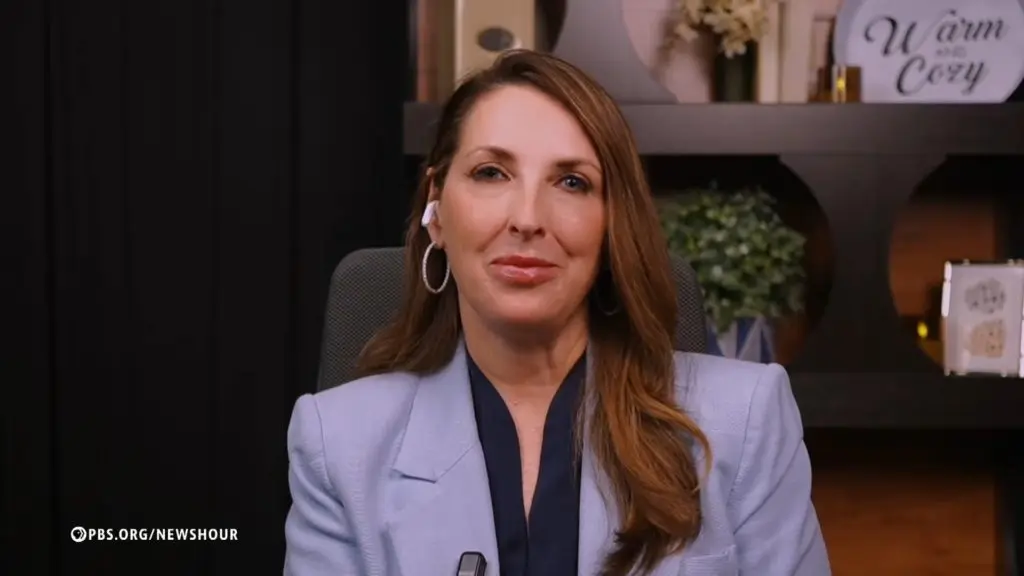 Ronna McDaniel Weighs In on GOP's Path Forward
 Market Sentiment Shifts as S&P 500 Snaps Three-Day Losing Streak
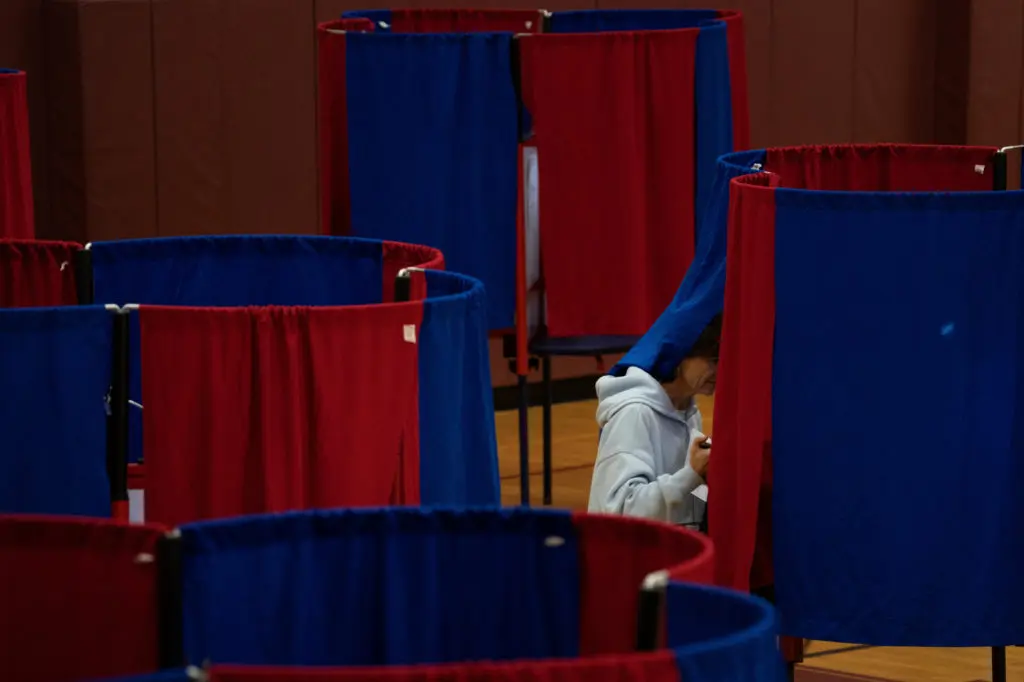 Voters Demand Stronger Congressional Oversight of Presidential Power
The poll, conducted in early September, found that only 38 percent of adults felt „optimistic” about their personal finances, down from 52 percent three months earlier. Economists say the Bank of England is weighing a 0.25‑percentage‑point increase to curb inflation, while the labour market has added fewer than 30,000 jobs in the latest quarter—well below expectations. Together, these factors have squeezed disposable income and amplified worries about future borrowing costs.
Analysts explain that even a modest rate rise can raise mortgage repayments for millions of borrowers. „A 0.25 % hike translates into an extra £30‑£40 a month for a typical mortgage holder,” said Fiona Clarke, senior economist at the Financial Policy Institute. For renters, higher rates often mean landlords pass on costs through increased rents. The survey revealed that 61 percent of renters expect their rent to rise within the next year, adding further pressure on limited incomes.
Will Higher Rates Trigger a Spending Freeze?
The job market offers little relief. While unemployment remains low at 4.1 percent, the quality of new jobs is slipping, with many positions being part‑time or temporary. „Employers are still cautious after a year of cost‑cutting,” noted James Patel, a labour market researcher at the University of Manchester. The combination of stagnant wages and higher borrowing costs is eroding the purchasing power that once buoyed consumer spending.
Retail analysts warn that the current sentiment could translate into reduced retail sales in the coming months. „When households anticipate higher monthly outlays, discretionary spending is the first to be cut,” observed Laura Mendes, director of market insights at RetailWatch. Early‑year data already shows a slowdown in big‑ticket purchases such as appliances and cars.
If the Bank of England proceeds with a rate increase, the ripple effect may reach sectors beyond housing. Small businesses that rely on credit lines could see tighter financing, potentially leading to slower hiring or even layoffs. Conversely, savers might welcome higher returns on deposits, though the net impact on the broader economy is expected to be negative if consumer confidence remains low.
What is the main cause of the drop in consumer confidence? The survey points to fears of higher interest rates combined with a weak job market, both of which threaten household cash flow.
Frequently Asked Questions
How will a Bank of England rate hike affect mortgage payments? A 0.25 % increase could add roughly £30‑£40 to monthly mortgage bills for a typical borrower, tightening budgets further.
Is there any upside for savers if rates rise? Higher rates can improve returns on savings accounts and fixed‑term deposits, but the overall effect may be outweighed by reduced spending power for most households.
The outlook remains uncertain. If the Bank of England raises rates, the immediate effect will likely be a further dip in consumer confidence, pressuring retailers and service providers. However, a successful curbing of inflation could eventually restore purchasing power, though that scenario may take several quarters to materialise.