A Dispute Over Artistic Freedom?
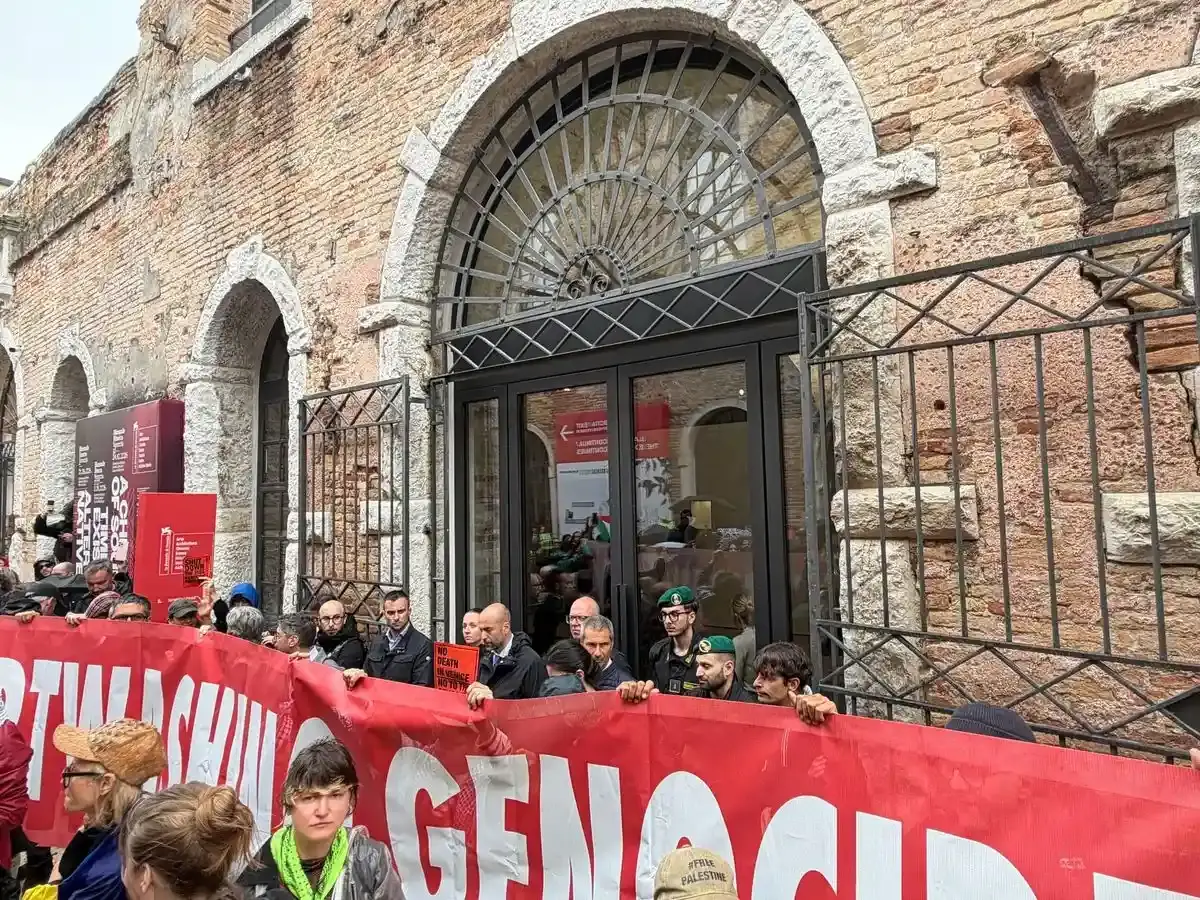
Belu-Simion Fainaru, representing Israel at the Venice Biennale, reportedly made legal threats. This occurred before the awards jury resigned amid controversy. The incident raises questions about the circumstances surrounding Israel’s exclusion from consideration for awards. It happened recently at the prestigious international art exhibition.
Breaking news
 Deadly Glacier and Rock Collapse in Nepal Linked to Climate Warming
 US Congress Passes Sweeping Sanctions Against Russia
 Speaker Johnson Ends House Session Early to Halt Impeachment Effort
 The High-Stakes Fight for Senate Majority Control
Fainaru alleged both antisemitism and discrimination following the jury’s decision. The jury chose not to consider the Israeli pavilion for any awards. Reports indicate Fainaru’s legal warnings were delivered directly to Biennale organizers. These actions preceded the entire jury stepping down in protest. The Biennale has faced intense scrutiny regarding its handling of politically charged submissions this year.
The core of the dispute centers on calls to boycott Israel due to its actions in Gaza. Pro-Palestinian activists pressured the Biennale to exclude Israel entirely. The jury, comprised of international art experts, initially resisted complete exclusion. They sought to evaluate the Israeli pavilion’s artwork based on artistic merit alone. However, the pressure continued to mount, creating a hostile environment.
Was Dialogue Impossible?
Fainaru’s legal threats reportedly focused on the perceived bias of the jury. He argued that excluding Israel based on political grounds violated Biennale principles. Biennale organizers attempted to mediate the situation, but ultimately failed. The entire jury resigned, citing a lack of support and an inability to perform their duties fairly. This unprecedented move sparked widespread debate within the art world.
The resignation of the jury highlights a growing tension between artistic expression and political activism. Some argue that art should be free from political considerations. Others believe artists have a responsibility to address social and political issues. This Biennale became a focal point for this debate. The situation demonstrates the difficulty of navigating complex geopolitical issues within a global art forum.
Frequently Asked Questions
The incident has damaged the Biennale’s reputation. Critics claim the event prioritized political pressure over artistic integrity. Organizers face challenges in restoring trust and ensuring a fair process for future exhibitions. The long-term consequences could include artists and jurors being hesitant to participate.
What exactly did Fainaru threaten to do? He reportedly threatened legal action against the Biennale. This was based on his claim that the jury’s decision was discriminatory and antisemitic. He believed excluding Israel was a violation of the Biennale's stated principles.
Why did the entire jury resign? The jury resigned because they felt unsupported by Biennale organizers. They believed they could not fairly evaluate the artwork. They cited a hostile environment created by external pressures.