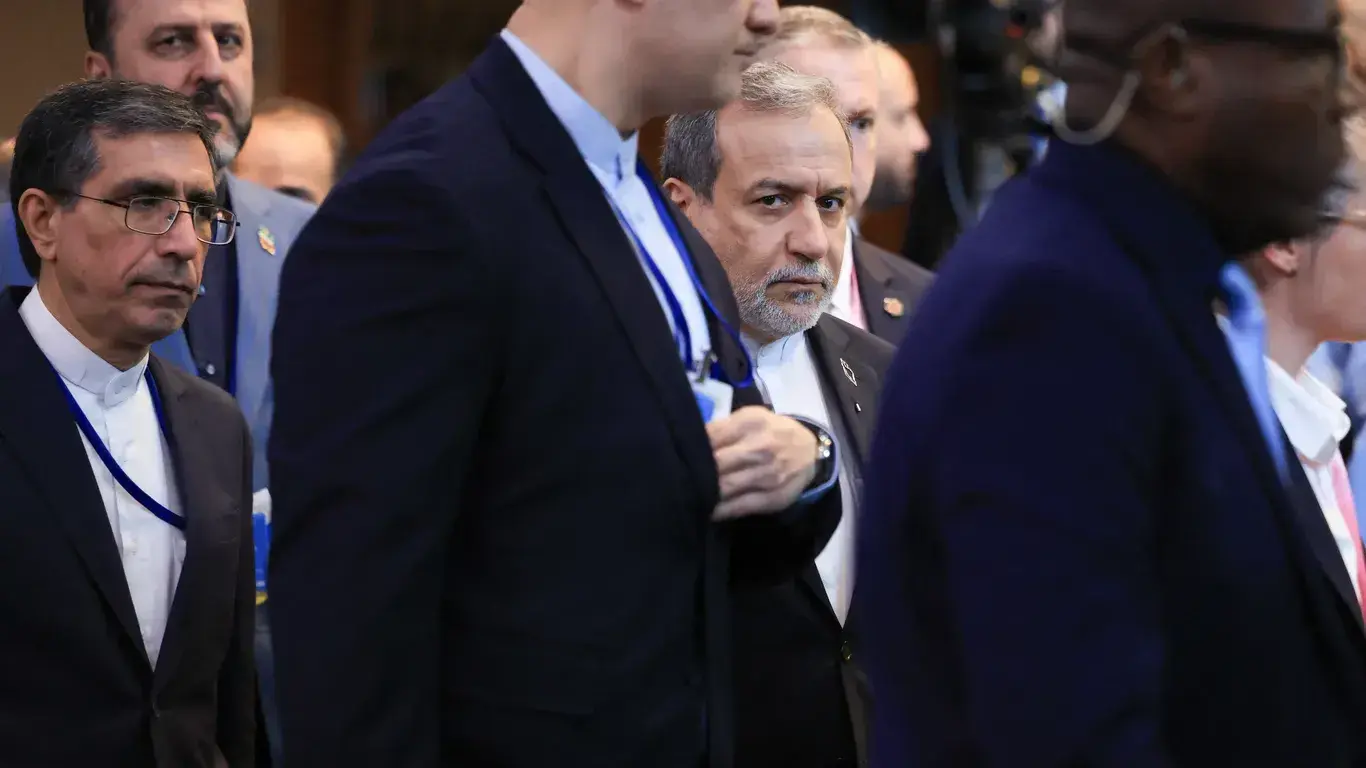
Neutral Ground for High-Stakes Negotiations
Several Arab nations acting as intermediaries are actively engaging with Washington and Tehran. Their goal is to organize a high-level meeting at the United Nations headquarters. This diplomatic push aims to reduce the current crisis between the two powers. The effort involves continuous communication with both sides to secure a face-to-face dialogue.
Breaking news
 Montenegro, Albania Seek NATO Help to Counter Russian Disinformation
 Ronna McDaniel Weighs In on GOP's Path Forward
 Market Sentiment Shifts as S&P 500 Snaps Three-Day Losing Streak
 Voters Demand Stronger Congressional Oversight of Presidential Power
Diplomats from multiple Arab states have maintained constant contact with American and Iranian officials. They are working behind the scenes to facilitate a direct encounter. The primary objective is to lower the temperature of the ongoing dispute. By bringing the parties together under the U. N. roof, mediators hope to create a neutral environment. This setting allows for structured negotiations without the pressure of bilateral summits. The initiative reflects a broader regional desire to prevent further escalation.
Can Diplomacy Outpace Military Tensions?
The choice of the United Nations as the venue is strategic. It offers a recognized international stage where both nations hold significant influence. Arab mediators believe this location provides the necessary legitimacy for difficult talks. They are coordinating logistics and scheduling to ensure both delegations can attend simultaneously. The focus remains on de-escalation rather than immediate resolution. By establishing a regular channel of communication, the mediators aim to build trust. This process helps mitigate misunderstandings that often fuel diplomatic crises. The involvement of multiple Arab countries adds weight to the proposal. It signals a unified regional front supporting peaceful resolution.
The success of this initiative depends on the willingness of both sides to engage. Recent events have strained relations, making open dialogue essential. Mediators report that both Washington and Tehran are receptive to the idea. However, specific terms of the agenda remain under discussion. There is concern that delays could allow tensions to rise again. The Arab bloc emphasizes urgency in their communications. They argue that waiting for a perfect moment may be too late. Instead, they advocate for starting conversations now. Even if outcomes are modest, the act of meeting is viewed as a positive step. It demonstrates a commitment to managing the crisis through words rather than actions.
The outlook hinges on whether the proposed meeting materializes in the near term. If both parties agree to the schedule, it could mark a turning point. Analysts suggest that sustained engagement will be required to see lasting results. The region watches closely for signs of progress. A successful summit could stabilize the area and reduce uncertainty. Conversely, failure to meet might lead to renewed friction. For now, the diplomatic machinery is in motion, driven by the shared interest of preventing a wider conflict.
Frequently Asked Questions
Why is the United Nations chosen as the meeting place? The U. N. offers a neutral and internationally recognized venue. It reduces the political burden on either host nation. This neutrality encourages candid discussions between the two sides.
Which Arab countries are leading this mediation effort? Multiple Arab states are involved in the coordination process. They work collectively to maintain contact with both delegations. This collective approach strengthens the diplomatic push.