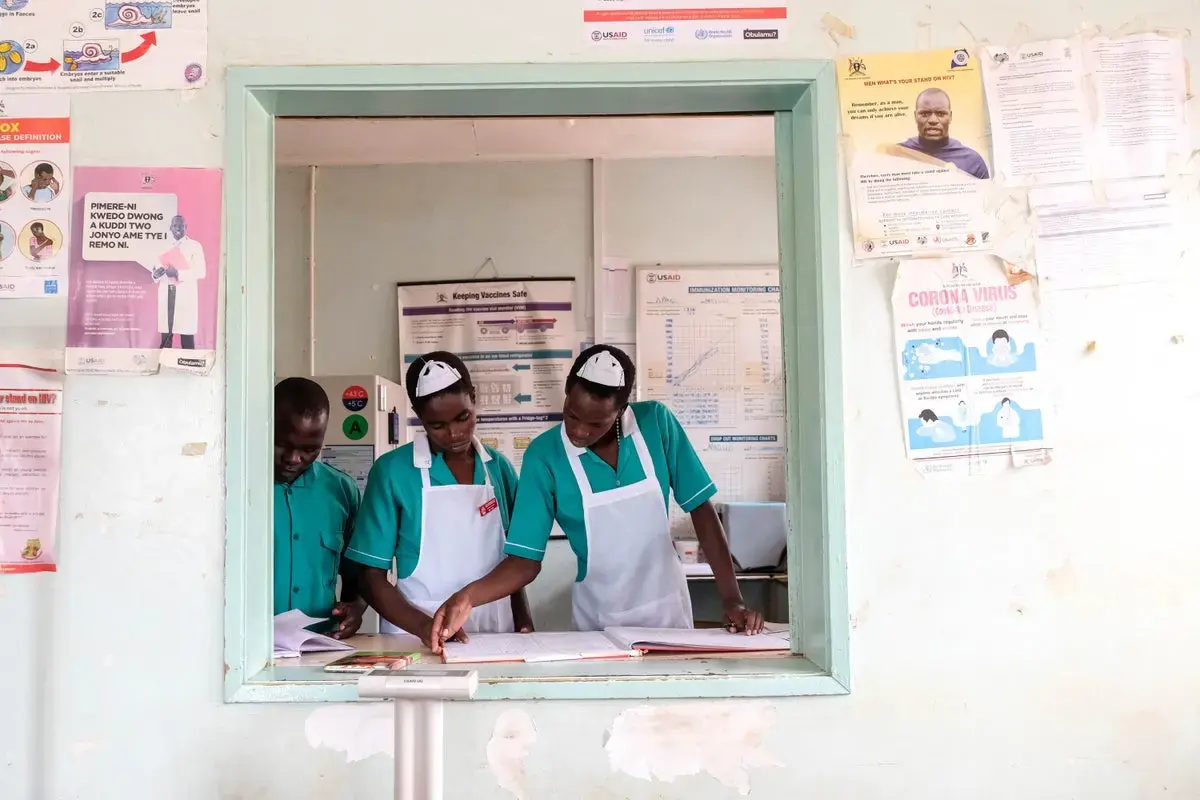
One scientist noted that the infrastructure built for malaria enables faster
Leading scientists warn that drastic reductions in malaria research funding will undermine the UK's ability to plan for future pandemics, as tools developed for Africa could help detect and respond to similar threats domestically. Speaking on 23 September 2026, researchers emphasized that the collaborative work saving children's lives abroad also strengthens national health security. The funding cuts, described as nearly unprecedented, come despite evidence that malaria intervention strategies—such as genomic surveillance, rapid diagnostics, and vaccine platforms—have direct applications for emerging infectious diseases in the UK. Scientists argue that dismantling these programmes weakens early warning systems and response capacity for pathogens with pandemic potential. How African Malaria Research Supports UK Health Defence Researchers highlight that innovations born from malaria control, including real-time pathogen tracking and adaptive trial designs, are transferable to threats like influenza or novel coronaviruses.
Breaking news
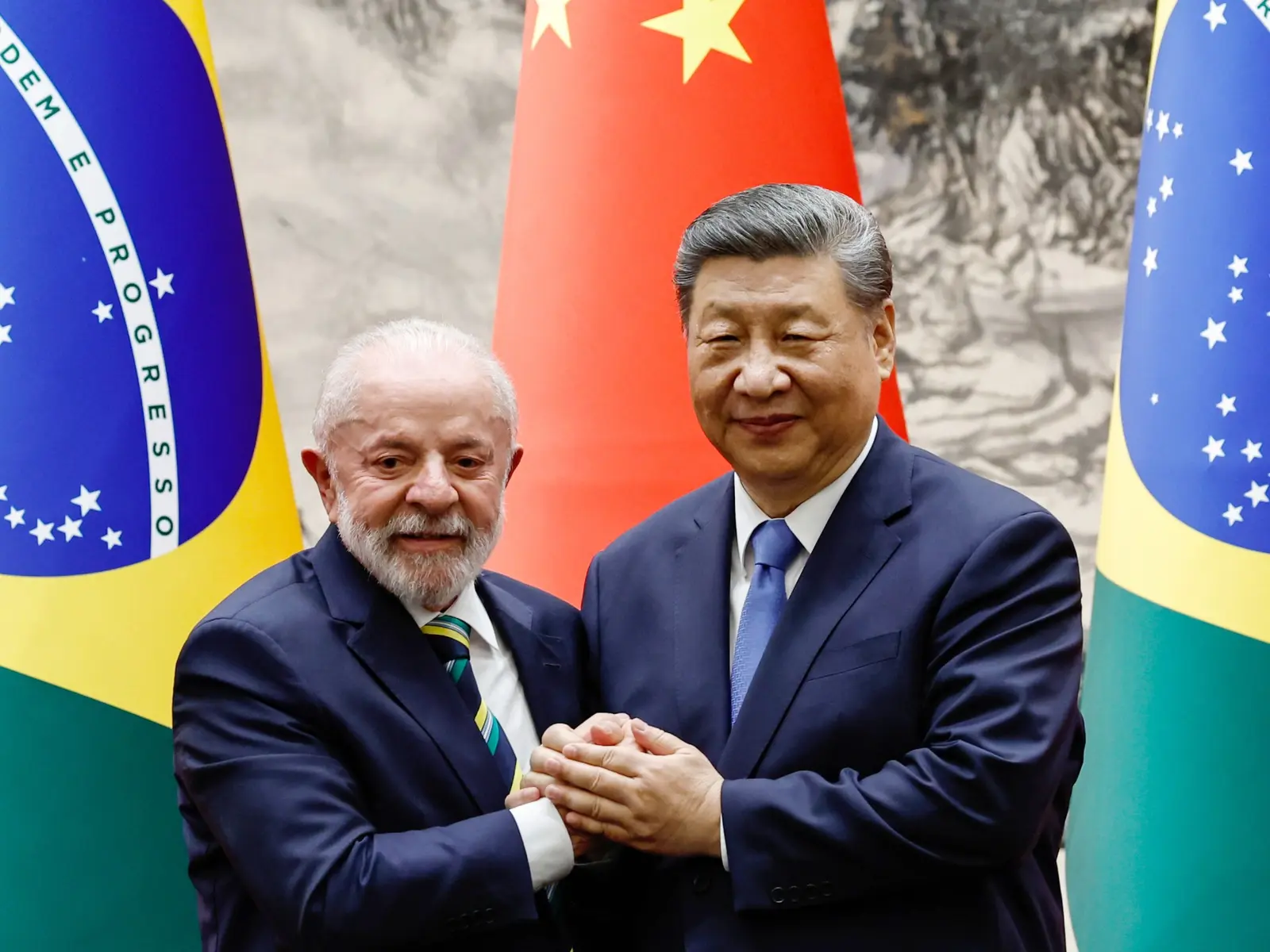 Lula’s Win Puts Global South Diplomacy to the Test
 Max Miller Loses Congressional Seat Amid Domestic Abuse Allegations
 Democrats Win Senate Control as Voters Reject Trump Agenda
 Democrat Brian Poindexter Defeats Incumbent Max Miller in Ohio’s Seventh District
One scientist noted that the infrastructure built for malaria enables faster adaptation when new risks emerge, making sustained investment critical for both global and domestic resilience. What Happens If These Tools Are Lost? Without continued funding, the UK risks losing access to surveillance networks and technical expertise developed over years of collaboration with African partners. This gap could delay detection of imported cases or hinder the rapid deployment of diagnostics and treatments during an outbreak, leaving the country less prepared than it could be. Frequently Asked Questions Why does malaria research matter for UK pandemic planning? The tools and systems created to combat malaria—such as genomic sequencing networks and rapid response frameworks—can be repurposed for other infectious diseases, enhancing the UK’s overall preparedness. What specific capabilities are at risk due to funding cuts?
Key capabilities include real-time pathogen monitoring, vaccine development pipelines, and trained personnel experienced in outbreak response, all of which have been honed through malaria-focused initiatives. Could the UK develop these tools independently? While possible, building equivalent systems from scratch would take years and cost significantly more than maintaining existing international collaborations that already deliver dual benefits.