Strategic Shift in Populist Leadership
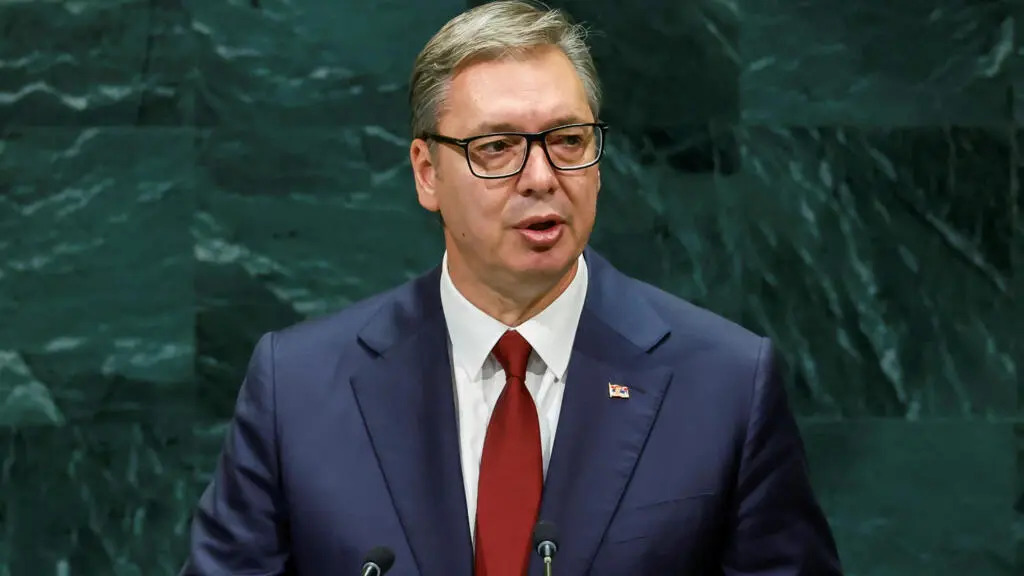
Serbian President Aleksandar Vucic officially resigned from his role as head of state on Sunday. This move clears the path for him to contest the upcoming October parliamentary elections. He will lead the Serbian Progressive Party’s bid for the premiership. The decision marks a significant shift in his political strategy. It allows him to focus entirely on the legislative race. Voters will soon decide if he retains power through a new cabinet.
Breaking news
 Montenegro, Albania Seek NATO Help to Counter Russian Disinformation
 Ronna McDaniel Weighs In on GOP's Path Forward
 Market Sentiment Shifts as S&P 500 Snaps Three-Day Losing Streak
 Voters Demand Stronger Congressional Oversight of Presidential Power
The resignation is a calculated step within the party’s electoral machinery. By stepping down, Vucic avoids the constitutional constraints that might limit his campaign activities. It signals confidence in his ability to secure a majority in the National Assembly. The party aims to maintain its dominant position in Serbian politics. This maneuver ensures he remains the central figure in the election narrative.
Vucic has long been a polarizing figure in Balkan politics. His right-wing populist platform has driven both strong support and fierce opposition. Running for prime minister places him directly in the legislative arena. This role offers more direct control over policy implementation than the presidency. Critics argue this move consolidates power further under one leader. Supporters view it as a necessary adjustment to win the next term. The transition highlights the evolving nature of Serbia’s executive branch.
Why Does the Presidency Matter Less Now?
The timing aligns with the scheduled October vote. Early departure allows for a fresh start in campaigning. It prevents any perception of holding two powerful positions simultaneously. The party leadership backs this strategic pivot unanimously. Internal polls suggest high confidence in their electoral prospects. The move also streamlines the decision-making process for the incoming government.
In many parliamentary systems, the prime minister holds greater executive authority. Serbia follows a similar model where the legislature is central. Vucic’s previous tenure as president focused on diplomatic and ceremonial duties. As prime minister, he would oversee domestic economic reforms. This includes infrastructure projects and social welfare programs. The shift reflects a desire to tackle internal challenges directly. It reduces the distance between the leader and daily governance.
Observers note that this pattern has occurred before in Serbian politics. Leaders often rotate between these top posts. However, Vucic’s return to the premiership carries specific weight. His party controls key media outlets and local governments. This structural advantage supports his candidacy. The resignation removes potential legal hurdles regarding campaign spending. It simplifies the audit trail for the election commission.
Frequently Asked Questions
The outcome of the October elections will determine Serbia’s future direction. A victory for Vucic ensures continuity in current policies. A loss could trigger a period of political uncertainty. The resignation sets the stage for a competitive race. Parties will now mobilize their bases aggressively. International partners watch closely for stability signals. The next few months are critical for the region.
When do the parliamentary elections take place? The national parliamentary elections are scheduled for October. Vucic’s resignation clears the way for his candidacy. The exact date will be confirmed by the electoral commission.
Why did Vucic choose to resign now? He stepped down to comply with rules allowing him to run for prime minister. This ensures he can campaign fully without conflict of interest. It maximizes his party’s chances of winning the seat.


