Can Diplomacy Curb Maritime Expansion?
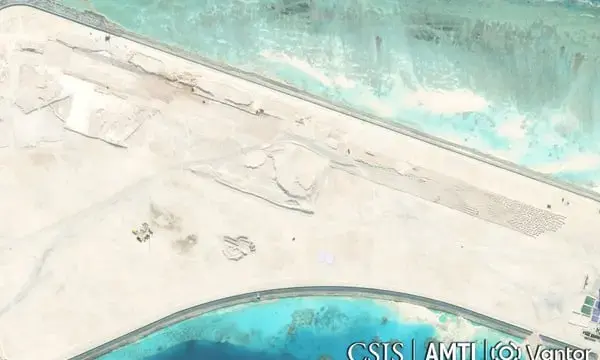
Vietnam’s government issued a formal protest this week, calling for an immediate end to Chinese infrastructure projects within the disputed Paracel Islands. The demand follows recent satellite imagery revealing significant land reclamation and construction efforts by China on Antelope Reef and a neighboring islet, signaling a major escalation in regional territorial tensions.
Breaking news
 Deadly Glacier and Rock Collapse in Nepal Linked to Climate Warming
 US Congress Passes Sweeping Sanctions Against Russia
 Speaker Johnson Ends House Session Early to Halt Impeachment Effort
 The High-Stakes Fight for Senate Majority Control
The satellite photographs, captured throughout August 2026, display clear evidence of heavy machinery and structural development on these remote features. These activities suggest that Beijing is working to solidify its physical presence in the South China Sea. Hanoi views these unilateral actions as a direct violation of its sovereignty and a breach of international maritime norms.
Regional analysts suggest that the construction on Antelope Reef is part of a broader strategy to establish permanent outposts in contested waters. By transforming submerged reefs into fortified islets, China aims to extend its surveillance capabilities and military reach. These developments complicate ongoing efforts to establish a peaceful code of conduct for the disputed maritime corridor.
Vietnam has consistently maintained that its historical claims to the Paracel archipelago are supported by legal evidence. The government in Hanoi argues that such construction projects undermine regional stability and threaten the environmental integrity of the sensitive marine ecosystem. Diplomatic channels remain strained as Vietnam urges international partners to monitor these developments closely.
Frequently Asked Questions
The international community remains divided on how to respond to the rapid militarization of the South China Sea. While Vietnam seeks a diplomatic resolution, the lack of a binding regional agreement makes it difficult to halt these construction projects. Observers fear that without a significant shift in policy, these territorial disputes will continue to heighten the risk of accidental confrontation at sea.
Future stability in the region depends on whether China will heed calls for restraint or continue its efforts to cement control over the islands. Vietnam’s firm stance highlights the growing frustration among Southeast Asian nations regarding maritime encroachment. The ongoing situation serves as a stark reminder of the fragile balance of power in one of the world's most vital shipping lanes.
What is the primary reason for the current diplomatic friction? The friction stems from China’s recent construction activities on Antelope Reef, which Vietnam claims as part of its sovereign territory. Hanoi views these developments as an illegal expansion that threatens regional security.
How does the international community view these construction projects? Many nations express concern that these projects disrupt the status quo in the South China Sea. They argue that such actions bypass international law and increase the potential for maritime conflict.