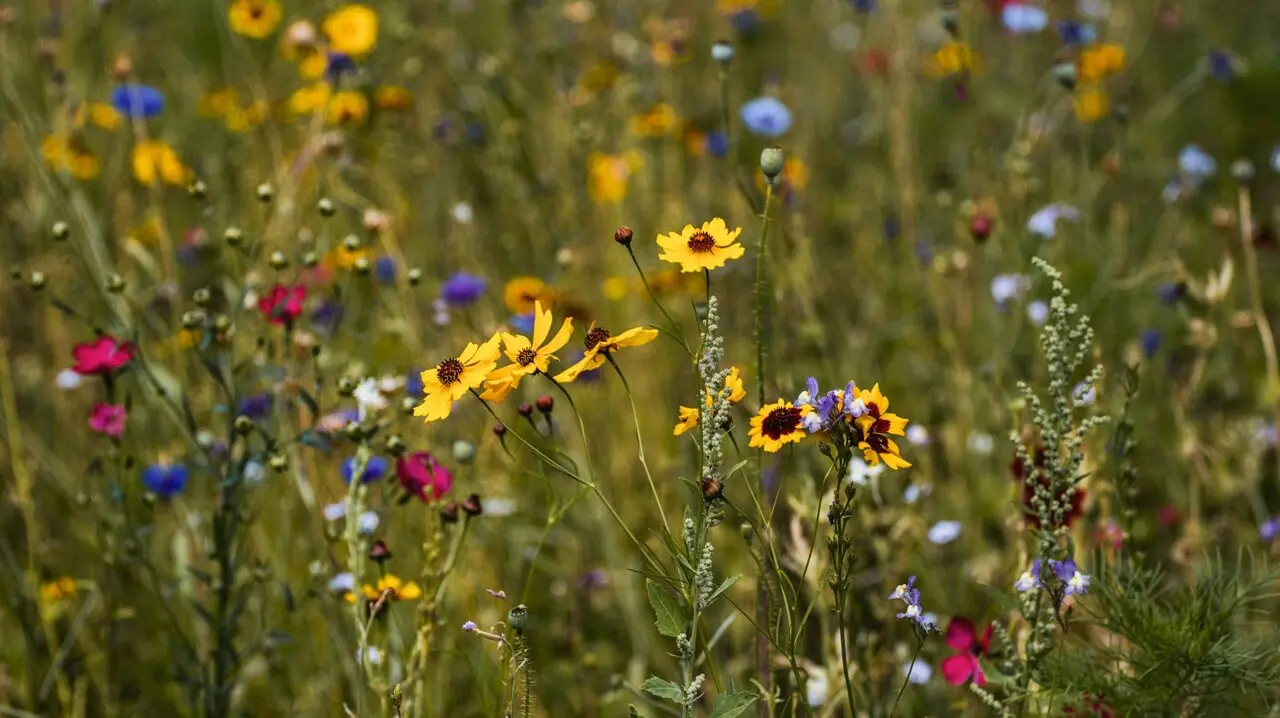
How Cities Are Reconnecting Fragmented Habitats
European municipalities are stepping up efforts to protect urban biodiversity by expanding green infrastructure. As cities grow, natural habitats shrink and fragment, threatening countless species. Local governments now view parks, meadows, and forests as critical tools for conservation at the regional level.
Breaking news
 Montenegro, Albania Seek NATO Help to Counter Russian Disinformation
 Ronna McDaniel Weighs In on GOP's Path Forward
 Market Sentiment Shifts as S&P 500 Snaps Three-Day Losing Streak
 Voters Demand Stronger Congressional Oversight of Presidential Power
The pressure on urban ecosystems comes from rapid urbanization. Buildings and roads replace grasslands and wetlands, isolating populations of plants and animals. Municipalities respond by designing green corridors that link fragmented habitats. These corridors allow species to move safely between parks and green zones.
City planners are mapping green corridors that connect isolated parks and reserves. These pathways help wildlife travel between urban green spaces. The approach treats the entire city as a single ecological network rather than separate islands.
What Does This Mean for Urban Wildlife?
Local authorities are also revising zoning rules to require green roofs and vertical gardens on new buildings. This policy shift turns ordinary structures into habitat for pollinators and birds. The strategy addresses the root cause of habitat loss by integrating nature into the built environment.
The consequences of inaction are severe. Without connected green spaces, urban species face population decline and local extinction. With proper planning, cities can support thriving ecosystems even in dense urban cores.
Looking ahead, the success of these initiatives depends on sustained political will and funding. Municipalities that treat biodiversity as a core priority are already seeing measurable improvements in species richness. The model could become a global template for sustainable urban development.
Frequently Asked Questions
Why are green corridors important for urban biodiversity? Green corridors link isolated habitats, allowing animals and plants to move, breed, and access resources. Without them, urban species become trapped and vulnerable to local extinction.
How do municipalities fund these green infrastructure projects? Funding typically comes from a mix of municipal budgets, regional grants, and European Union environmental funds. Some cities also partner with private developers who contribute green space as part of building permits.
What species benefit most from urban green spaces? Pollinators like bees and butterflies see immediate gains, along with birds and small mammals. These species rely on continuous vegetation cover for nesting, feeding, and migration.


