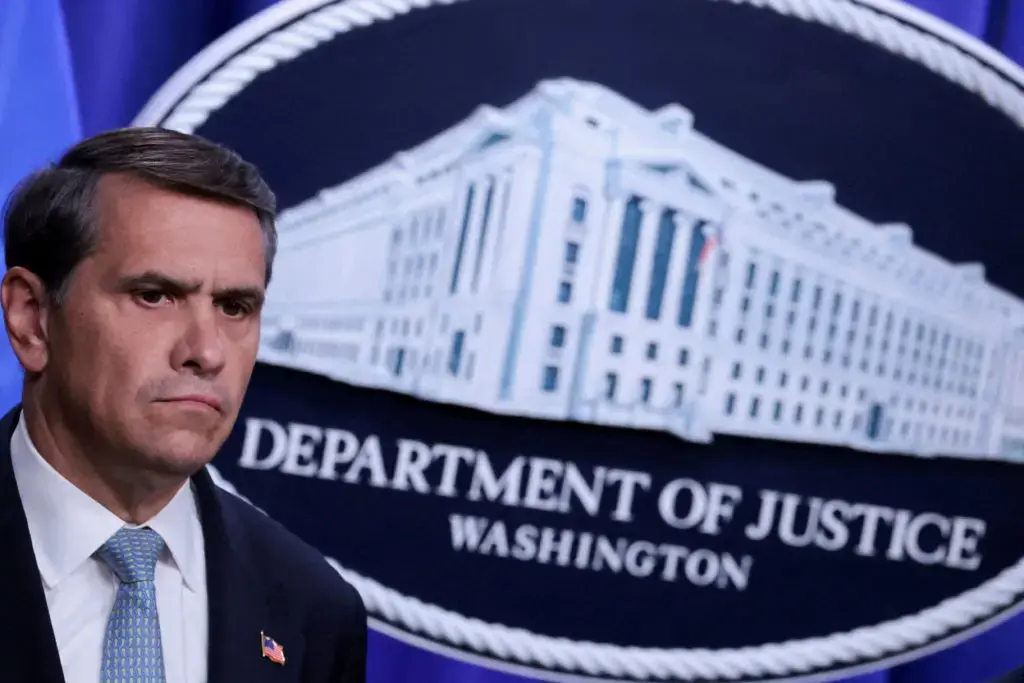
A Turbulent Confirmation Process
The Senate confirmed Todd Blanche as the nation’s attorney general on August 10, 2026. The ceremony took place in Washington, D. C., following a heated confirmation battle that tested political alliances and raised questions about his future agenda.
Breaking news
 Deadly Glacier and Rock Collapse in Nepal Linked to Climate Warming
 US Congress Passes Sweeping Sanctions Against Russia
 Speaker Johnson Ends House Session Early to Halt Impeachment Effort
 The High-Stakes Fight for Senate Majority Control
Blanche entered office amid a bruising debate that spanned weeks of hearings and media scrutiny. Lawmakers clashed over his past statements and policy positions, while supporters highlighted his prosecutorial experience. The vote ultimately passed, allowing him to assume the top law‑enforcement role and set the tone for the Justice Department’s next chapter.
Senators from both parties voiced strong opinions during the hearings. Critics warned that Blanche’s record might affect the department’s independence, whereas allies argued his legal background suited the role. The atmosphere grew tense as witnesses testified, and procedural motions delayed the final tally. Despite the friction, the chamber reached a decision, signaling a willingness to move forward despite deep divisions.
What Challenges Lie Ahead for Attorney General Blanche?
The confirmation ordeal underscored broader partisan strains within the government. Observers noted that the episode reflected a growing pattern of contentious appointments, where ideological battles often eclipse policy discussions. The episode also highlighted the Senate’s role in vetting high‑profile officials, reinforcing the importance of thorough scrutiny even when it prolongs the process.
Now that he has taken the oath, Blanche faces immediate priorities. The Justice Department must address ongoing investigations, manage rising cyber threats, and navigate a polarized political climate. Analysts predict that his leadership style will shape how the department tackles civil rights cases and corporate misconduct.
Blanche’s ability to bridge partisan gaps will be tested as Congress continues to debate funding and oversight measures. Moreover, public expectations for transparency and accountability remain high, putting pressure on the new attorney general to deliver results swiftly. His early actions will likely set a precedent for the department’s direction over the next several years.
The coming months will reveal whether Blanche can steer the Justice Department through a complex legal landscape while maintaining public trust. His performance may influence future appointments and the broader perception of the administration’s commitment to the rule of law.
Frequently Asked Questions
How did the Senate vote on Blanche’s confirmation? The Senate approved his nomination after a prolonged debate, allowing him to assume the role of attorney general.
What are the main issues the Justice Department will face under Blanche? Key challenges include ongoing investigations, cyber security threats, civil rights enforcement, and navigating a divided political environment.
Will Blanche’s confirmation affect future appointments? His contentious confirmation may set a precedent for how future high‑profile nominees are evaluated and confirmed by Congress.