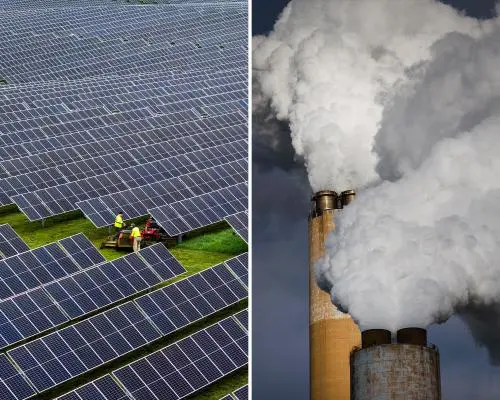
The Democrats elected in the blue wave won't take their seats until January
It's a bill that would make it easier to build major infrastructure projects in America — everything from fossil fuel pipelines to transportation lines that would add more clean energy to the grid. And it would reduce environmental and social protections to achieve that goal. That's why climate advocates are naked in connection with the US bipartisan Accessibility and Jobs Act (Baaja), which is scheduled for an initial procedural vote in the Senate on Monday. Donald Trump has asked all senators to vote for the 417-page bill, which is sponsored by two Republicans and two Democrats in the Senate, but after last week's historic blue-collar election, some environmental and tribal lawyers have urged Democratic leadership to put a stop to it.
Breaking news
 Sex, Secrets, and Spies: The Mystery of Honey Traps
 Trump Claims War on Iran Effectively Over After Qatar PM Talks
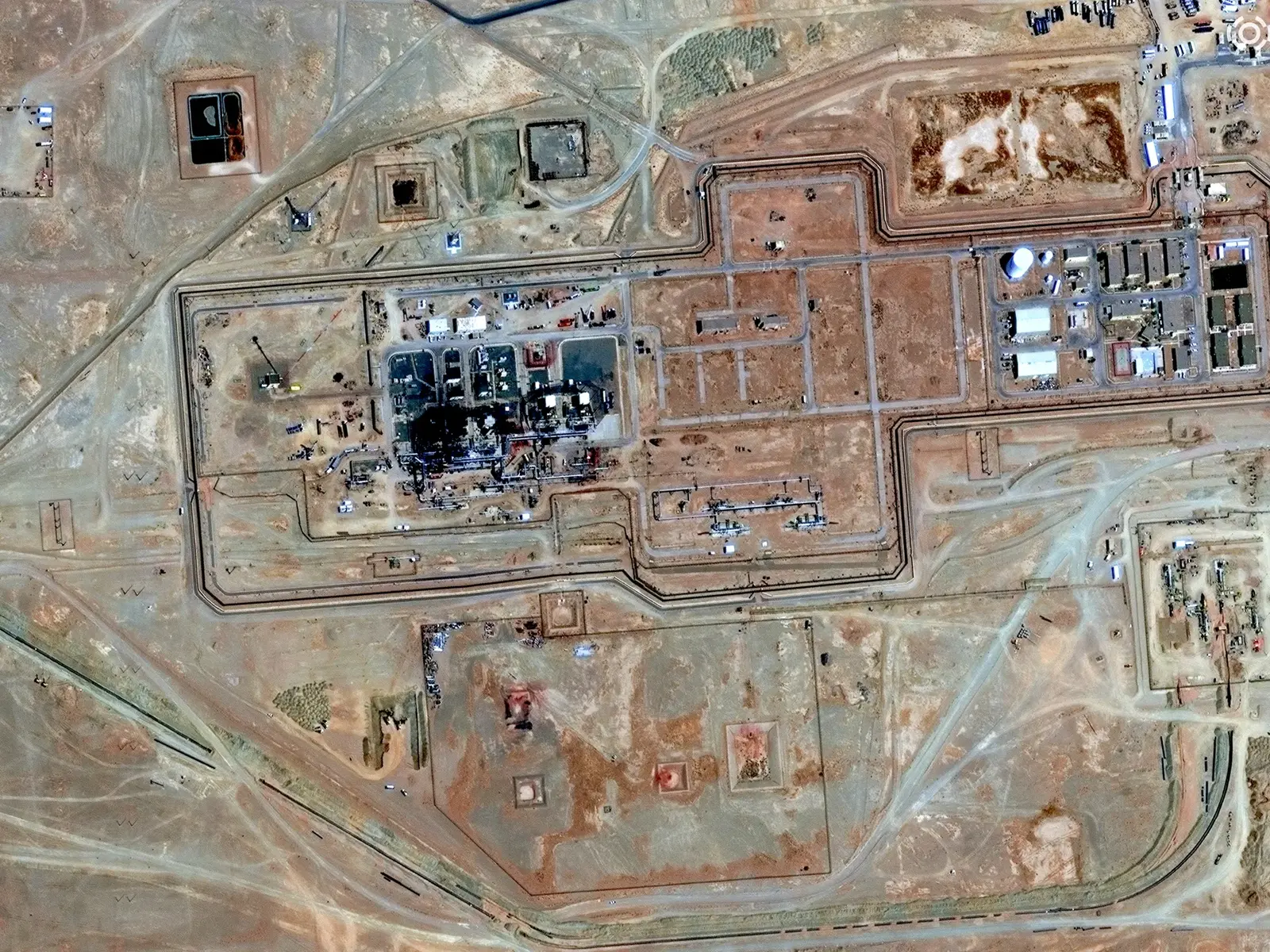 Saudi Arabia Reports New Attack on Key East‑West Pipeline
 Legislative Tensions Rise as Congress Returns to Washington
Earthjustice, the Sierra Club, and the ACLU voted against the bill because it would significantly weaken environmental laws, including the National Environmental Policy Act (Nepa) and accelerate the construction of gas pipelines and ICE detention centers. Indigenous groups held a press conference on Friday asking senators to vote against the Baaja because it would weaken the federal government's legal obligation to consult tribes on projects affecting them. It's such an existential threat to the Indian nation, said Mark Macarro, president of the National Congress of American Indians. Protesters gathered outside Senate Minority Leader Chuck Schumer's building on Friday over fears the bill could boost data centers. It would be extremely ironic if, after winning an election in which the opposition to the data center was at the forefront and center, the first act of Congress would be to facilitate the construction of the data center, Bill McKibben said.
The Democrats elected in the blue wave won't take their seats until January, so supporters of the bill still have time to get it through the Senate, and technically there's time for it to be passed in the House before the new Congress and go to Trump. But the election success of the Democrats has reduced the political friction. House Minority Leader Hakeem Jeffries, who is expected to be the Speaker of the House in the new Congress, said the bill is insufficient in several areas, including not protecting tribal sovereignty, and that he would not have passed rubber legislation without more constructive involvement with our caucus. On Monday, the bill's Democratic sponsors, Senators Martin Heinrich and Sheldon Whitehouse, said they had the vote needed to pass the bill. Heinrich said they've made last-minute changes to ensure tribal consultation, and they believe the bill will favor renewables over fossil fuels.
It simplifies federal rules for building interstate transmission lines
If we can create an open, competitive, equal, clean field, it's cheap, and cheap wins the market, Heinrich said. Whitehouse, who wore a wind turbine tie on it, argued that passing the bill would pave the way for Democrats to work on clean energy policies next year with majorities in the House and Senate. People should cool their plane and have a little confidence that that's not the end of the story, he said. Baaja supporters say it's necessary because it takes too long to build large projects in America and the bill shorten deadlines.
It simplifies federal rules for building interstate transmission lines, restricts what is reviewed under the National Historic Preservation Act and limits tribal consultation, restricts the use of the Clean Water Act, shortened deadlines for the Endangered Species Act, limits how the executive authority can interfere with federal permits, and makes major changes in Nepal, such as changing what requires Nepal's review and who has the right to sue. The fossil fuel industry supports the Baaja. The American Petroleum Institute (API) hailed the bill as a historic opportunityand asked Congress to finish authorization reform this year. It's creating a very fast fast path for gas pipelines, said Earthjustice Action president Abbie Dillen. The gas industry is extremely excited about this because they are interested in expanding existing pipeline capacity to get more liquefied natural gas for export, and to gas power energy-hungry data centers.
The bill could help pave the way for the constitutional gas pipeline that Williams Companies is trying to build through New York. The state declined the water quality permit for the project in 2016, but the company revived the project under the Trump administration. The pipeline project could benefit from the project changes