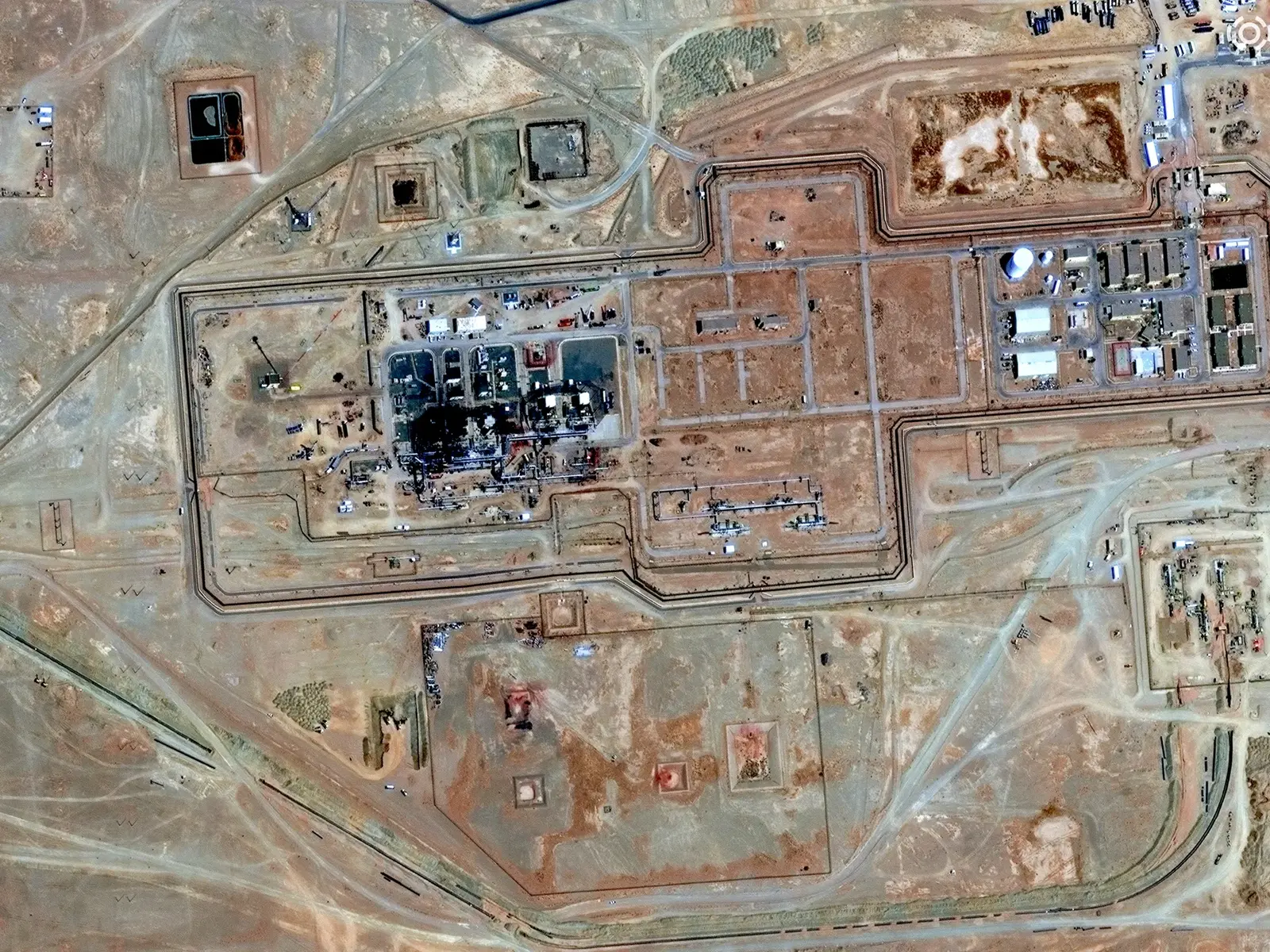
Security Concerns Escalate Over Pipeline Vulnerabilities
A Saudi state media report announced that the country’s vital East‑West oil pipeline suffered another assault on Monday. The incident occurred in the Medina region, located in western Saudi Arabia, and resulted in a limited fire that was quickly extinguished, officials said.
Breaking news
 Trump Claims War on Iran Effectively Over After Qatar PM Talks
 Legislative Tensions Rise as Congress Returns to Washington
 EU Report Finds Russian Network Used Social Media to Blame French Riots on Immigration
 Victims Detail Lifelong Impact of Russell Brand's Crimes in Court
The pipeline, which transports crude from the eastern oil fields to the western coast, is a critical bypass for the Strait of Hormuz. Its disruption can affect global oil flows and regional security. The attack underscores ongoing threats to infrastructure in the region and raises concerns about the resilience of Saudi Arabia’s energy transport network.
How Does This Impact Global Oil Markets?
Saudi officials highlighted that the pipeline’s strategic importance makes it a frequent target for hostile actors. The Ministry of Energy confirmed that the damage was contained, with no significant leakage or long‑term shutdown. The incident prompted a rapid response from emergency services and security forces, who secured the area and restored normal operations within hours.
What Measures Are Being Implemented to Prevent Future Attacks?
Experts note that the pipeline’s route through remote desert terrain offers limited surveillance, making it susceptible to sabotage. The government has increased patrols and installed additional monitoring systems along critical sections. Analysts suggest that the attack may be part of a broader pattern of destabilizing attempts aimed at disrupting Saudi oil exports.
The East‑West pipeline’s role in diverting oil from the Gulf to the Mediterranean means any interruption can tighten supply chains. While the latest incident was minor, repeated attacks could lead to higher transportation costs and supply uncertainty. Traders have already adjusted some pricing models to account for potential disruptions. However, the Saudi government assures that contingency plans are in place to mitigate such risks.
Consequences and Outlook
Saudi Arabia’s leadership has reiterated its commitment to safeguarding energy infrastructure. The Ministry of Energy is reviewing security protocols and collaborating with international partners to enhance protective measures. The government also plans to invest in advanced detection technologies to prevent future incidents.
In response to the latest assault, the Ministry of Energy announced a comprehensive review of pipeline security. Measures include increased patrols, drone surveillance, and the deployment of rapid response teams. The government is also working with private security firms to strengthen physical barriers and monitoring systems. These steps aim to deter future sabotage and ensure continuous operation of the pipeline.
# How long was the pipeline shut down after the attack?
The Ministry’s spokesperson emphasized that cooperation with regional allies will be crucial. Joint exercises and intelligence sharing are being expanded to detect threats early. The government also intends to upgrade the pipeline’s infrastructure, incorporating smart sensors that can detect tampering or leaks in real time.
The immediate impact was minimal, with the fire extinguished quickly and no significant disruption to oil flow. Nevertheless, the incident highlights the vulnerability of critical infrastructure in a volatile region. Saudi Arabia’s swift response and planned security enhancements aim to maintain stability. The global oil market will likely monitor future developments closely, as repeated attacks could influence pricing and supply dynamics.
# What steps is Saudi Arabia taking to secure the pipeline?
The pipeline was closed for a few hours while emergency crews extinguished the fire and secured the area. Normal operations resumed shortly thereafter.
# Could this attack affect global oil prices?
The government has increased patrols, installed drone surveillance, and upgraded monitoring systems. It also plans to collaborate with international partners for intelligence sharing.
While the incident was minor, repeated attacks could tighten supply routes and potentially raise oil prices. Market analysts are watching for any signs of sustained disruption.