Fearful Arrival: Activists Describe the Moment
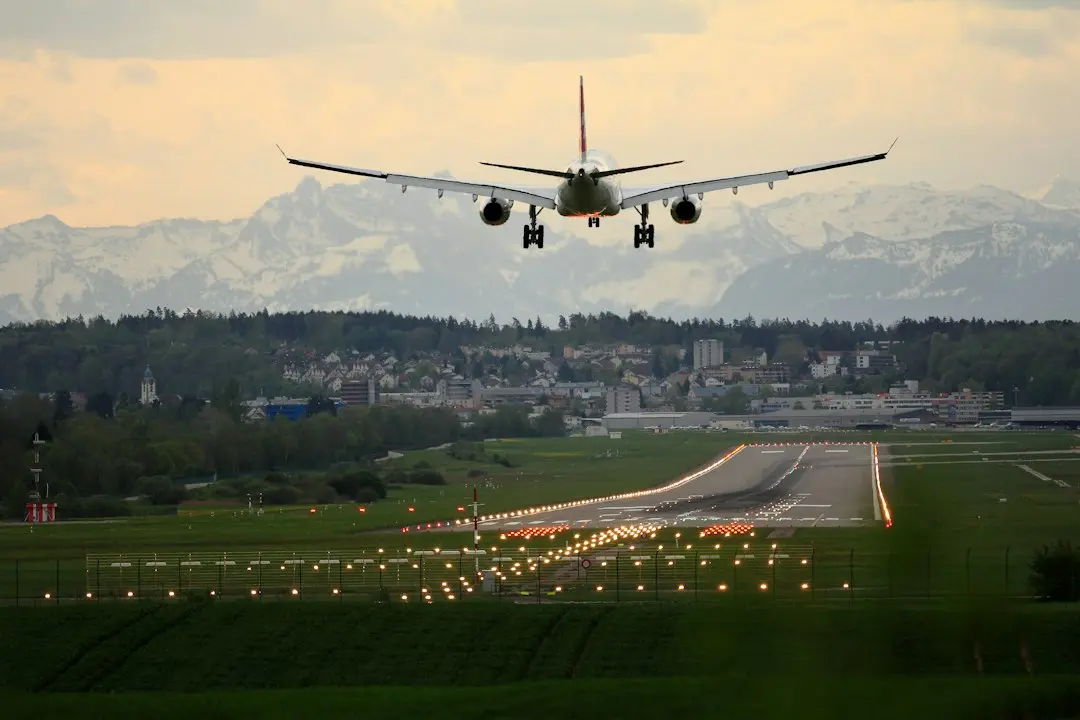
Russian security services lay in wait at Moscow’s airport in December as a flight carrying deported Russian activists landed. Among them were individuals denied political asylum by the United States, including outspoken anti‑government campaigners. The group, which had previously organized protests against the Kremlin, faced immediate detention upon arrival.
Breaking news
 Montenegro, Albania Seek NATO Help to Counter Russian Disinformation
 Ronna McDaniel Weighs In on GOP's Path Forward
 Market Sentiment Shifts as S&P 500 Snaps Three-Day Losing Streak
 Voters Demand Stronger Congressional Oversight of Presidential Power
Russian authorities have long pursued dissidents abroad, using diplomatic channels to secure their return. The December flight was part of a broader exchange by Washington, letting activists leave the United States after their asylum claims were rejected. The flight arrived at Domodedovo airport after a six‑hour journey from New York. Russian officials said the operation was routine, but activists described it as a sudden, hostile takeover.
Katya, whose name has been altered for safety, recalled the instant the plane touched down. It was unbelievably frightening. My knees were shaking with fear,she said. The cabin was silent as uniformed officers approached. She was escorted to a waiting bus, her hands trembling as officers shouted instructions.
Why Are These Activists Being Sent Back?
Other deportees, including a former journalist and a community organizer, described similar anxiety. They had been denied asylum in the United States after their political activities attracted Kremlin attention.
Moscow regards outspoken criticism of the government as a security threat. The Federal Security Service (FSB) coordinated the return, arguing that the activists would face prosecution at home. The FSB cited national security laws that prohibit unauthorized public assemblies, using the deportation as a deterrent to any future organizing.
The United States, citing humanitarian concerns, permitted their departure, but Russian officials insisted the move was necessary to curb foreign influence. Legal experts note that the swift repatriation bypasses standard judicial review, raising concerns about due process. The international community has condemned the move, urging Russia to respect the right to seek asylum without retaliation.
Frequently Asked Questions
What motivated Russian security services to intercept the flight? They aimed to prevent the activists from using exile as a platform for further anti‑government campaigns. Returning them allows Moscow to pursue legal action domestically.
Did the United States know about the deportation before the flight? U. S. officials were aware that the activists were being considered for removal, but they allowed the travel as part of a broader agreement. The arrangement was coordinated between the two governments.
Will this practice affect future asylum decisions? The move could deter potential asylum seekers, fearing that rejection will lead to forced repatriation. It also raises concerns among human‑rights groups about the fairness of the process.


