Re‑engineering the Suburban Blueprint
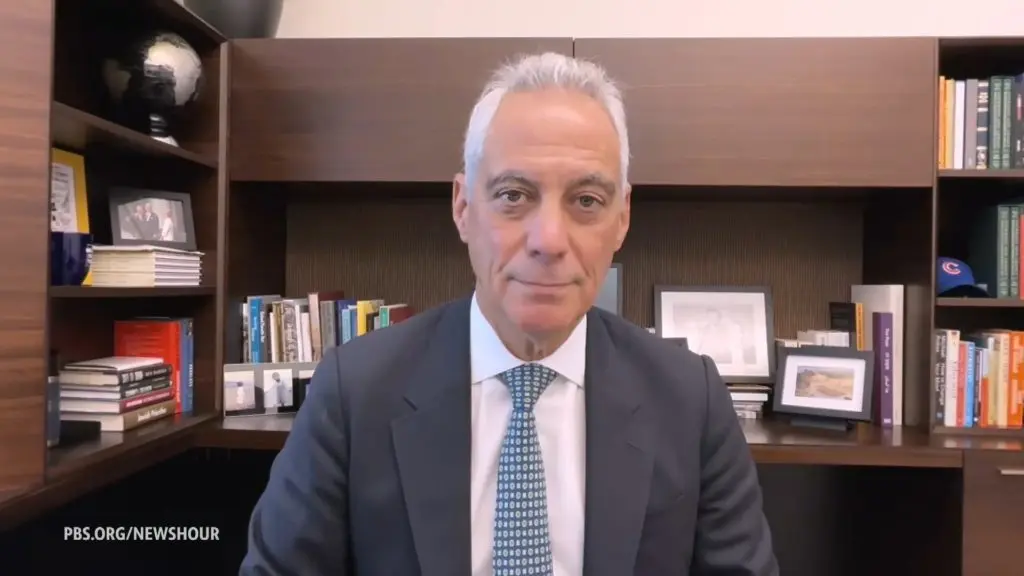
On Election Day, November 3, 2026, Democrats faced a disappointing midterm outcome that echoed the backlash against President Trump two decades ago. Party veterans, including former Chicago mayor and former White House chief of staff Rah Rah Emanuel, warned that the losses should be seen as an initial investment toward a broader transformation rather than a final verdict.
Breaking news
 Ronna McDaniel Weighs In on GOP's Path Forward
 Market Sentiment Shifts as S&P 500 Snaps Three-Day Losing Streak
 Voters Demand Stronger Congressional Oversight of Presidential Power
 Pelosi Looks Back, Sees Democratic Triumph Ahead
Emanuel, speaking at a fundraiser in Washington, argued that the party must move beyond reactionary tactics and build a durable coalition that can win back suburban voters, address economic anxiety, and confront climate threats. He cited the 2006 wave that turned voter frustration with the Bush administration into a Democratic surge, suggesting that today’s discontent could be harnessed similarly if leaders act strategically. „We have a down payment on change,” he said, „but we need to finish the house.” The remarks came as analysts noted that Democrats lost several key swing districts, while Republicans made modest gains in traditionally blue regions.
Emanuel stressed that the suburban electorate, once a reliable Democratic stronghold, has drifted toward the GOP due to concerns over taxes, public safety, and cultural issues. He urged the party to craft policies that speak directly to middle‑class homeowners: modest tax relief, investment in local infrastructure, and a clear stance on school choice. Data from the Pew Research Center shows that 48 % of suburban voters feel „left behind” by current economic policies, a sentiment that could be pivotal in the 2028 presidential race. By tailoring messages to these voters, Emanuel believes Democrats can rebuild the „blue‑grass” that powered the 2006 and 2018 victories.
Can the Party Turn Midterm Setbacks Into a Winning Strategy?
He also warned against over‑reliance on identity politics, noting that while diversity remains a core value, a singular focus can alienate voters who prioritize economic stability. „We must broaden our narrative,” he said, „to include the everyday American who wants a good job, safe streets, and affordable health care.” The former mayor highlighted successful local initiatives in Chicago, where targeted job training programs reduced unemployment in low‑income neighborhoods by 12 % over three years, as a model for national replication.
Emanuel posed a direct question to party leaders: „Are we willing to learn from our defeats and invest in a long‑term vision, or will we chase short‑term headlines?” He suggested that Democrats should allocate resources to grassroots organizing, especially in Rust Belt states where industrial decline fuels political volatility. Recent polls indicate that 55 % of voters in Michigan and Ohio are open to switching parties if presented with credible economic plans. By deploying field offices, training volunteers, and leveraging data analytics, the party could convert skepticism into support.
He also called for a unified messaging platform that links climate action with job creation, arguing that the „green economy” can serve as both an environmental and economic catalyst. A recent study by the Brookings Institution projects that a transition to renewable energy could generate 4.5 million new jobs by 2035, a figure that could sway voters concerned about both climate change and employment prospects.
Looking ahead, Emanuel cautioned that failure to adapt could cement Republican dominance in upcoming congressional and gubernatorial contests. However, he remained optimistic that a disciplined, data‑driven approach could restore Democratic momentum by the 2028 presidential election, turning today’s „down payment” into a full‑scale investment in the nation’s future.
Frequently Asked Questions
What does Emanuel mean by a „down payment on change”? He likens the midterm losses to an initial contribution toward a larger reform agenda, suggesting the party must continue investing effort and resources to achieve a full victory.
How can Democrats win back suburban voters? By addressing tax concerns, improving public safety, and offering pragmatic economic policies that resonate with middle‑class priorities, while still championing inclusive values.
Why focus on the Rust Belt now? Economic distress in states like Michigan and Ohio creates an opening for Democrats to present concrete job‑creation plans, potentially flipping traditionally swing districts in future elections.