Navigating the Transparency-Inclusion Tightrope
John Meluso, a professor at Cornell University, has identified seven key practices. These can help organizations that aim for openness. They need to balance transparency, inclusion, and power. This is crucial for effective governance.
Breaking news
 Deadly Glacier and Rock Collapse in Nepal Linked to Climate Warming
 US Congress Passes Sweeping Sanctions Against Russia
 Speaker Johnson Ends House Session Early to Halt Impeachment Effort
 The High-Stakes Fight for Senate Majority Control
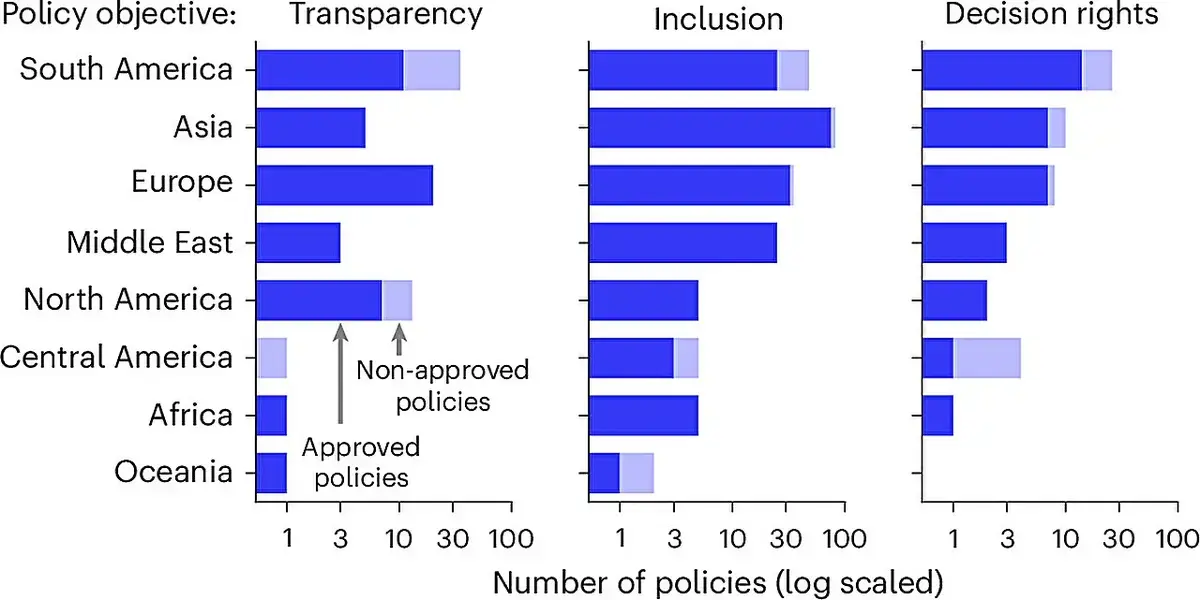
These principles are often stated goals in open government policies worldwide. Meluso's research focuses on how to achieve this balance in practice. It’s not always easy to make information public while also ensuring everyone feels included. Power dynamics can complicate these efforts.
Achieving openness requires careful management. Organizations must decide what information to share. They also need to consider who gets to participate in decision-making. Meluso suggests a deliberate approach to these challenges.
How Can Organizations Foster True Inclusion?
One practice involves clear communication about decision-making processes. This helps build trust. Another is establishing defined roles for participation. This ensures that inclusion doesn't lead to chaos. Organizations should also actively seek diverse perspectives. This enriches the decision-making process.
Fostering true inclusion goes beyond just inviting people. It means creating an environment where all voices are heard and valued. Meluso’s work highlights the importance of psychological safety. People need to feel comfortable expressing their ideas.
This can be achieved through training for leaders. It also involves developing inclusive meeting protocols. Organizations must also be willing to adapt their structures. This allows for more distributed power. Transparency about how decisions are made is vital here.
Meluso’s framework offers practical guidance. It helps organizations move beyond theoretical ideals. They can implement strategies for real-world application. This leads to more effective and equitable outcomes.
Frequently Asked Questions
What are the main challenges in open organizations? Balancing transparency, inclusion, and power is difficult. Organizations struggle to share information openly. They also want to ensure diverse participation. Managing these competing needs is complex.
How does transparency relate to inclusion? Transparency can enable inclusion. When information is accessible, more people can understand issues. This allows them to participate meaningfully. However, too much raw data can be overwhelming.
What is the role of power in open organizations? Power dynamics are central to openness. Organizations must decide how to distribute decision-making authority. They need to ensure that power is not concentrated. This requires careful consideration of roles and responsibilities.