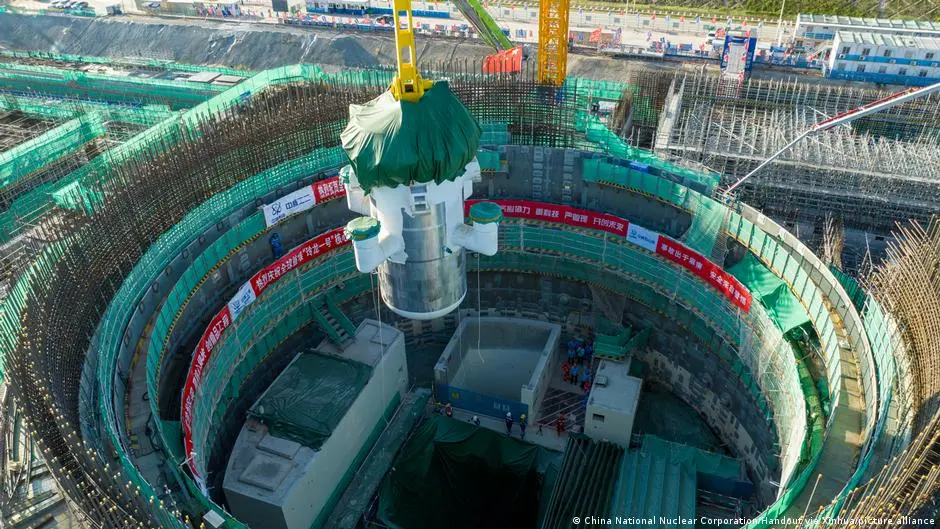
Economic Pressures and Technological Shifts Drive Renewal
Southeast Asian nations are actively reviving dormant nuclear power projects. This shift responds to surging electricity needs and recent energy security disruptions. Climate targets also drive this renewed interest. The region seeks stable baseload generation to support rapid industrial growth. Governments previously paused these initiatives due to cost concerns and safety fears. Now, changing economic conditions have forced a strategic reassessment of the energy mix.
Breaking news
 Trump Rejects AI Safety Measures Amid China Competition
 Behavioral Health and the Justice System: Accreditation and Continuity-of-Care Standards for Justice-Involved Individuals
 Britney Spears Dazzles in Bold Lingerie Shoot
 South Korea Weighs Strong Response After DMZ Landmine Blast
The primary driver is the explosive increase in regional power consumption. Data centers, electric vehicles, and manufacturing hubs consume vast amounts of electricity. Fossil fuel price volatility has exposed vulnerabilities in current supply chains. Nations aim to diversify sources to prevent future blackouts. Nuclear energy offers a low-carbon alternative that provides consistent output without weather dependence. Proponents argue that waiting too long risks falling behind in infrastructure development.
Can Regional Grids Handle New Nuclear Capacity?
Financial incentives now favor nuclear investment over previous hesitation. International financing mechanisms have lowered entry barriers for smaller states. New reactor designs promise shorter construction timelines and enhanced safety features. These advanced technologies address historical objections regarding waste management and accident risk. Countries are exploring partnerships with established nuclear exporters to secure technology transfer. Local workforce training programs are expanding to build domestic expertise. The goal is to create sustainable jobs while securing long-term energy independence.
Integration into existing power grids presents significant technical challenges. Many Southeast Asian grids lack the flexibility to absorb large blocks of nuclear power. Upgrading transmission lines requires substantial capital investment and land acquisition. Regulatory frameworks must be updated to accommodate new safety standards. Public acceptance remains a critical hurdle, especially near coastal communities. Authorities plan extensive consultation processes to build trust among local populations. Environmental impact assessments will scrutinize cooling water usage and thermal discharge.
The outlook suggests a gradual but steady expansion of nuclear capacity. Initial plants will likely serve peak demand periods before becoming core assets. Success depends on maintaining strict cost controls during construction phases. Delays could erode political support and invite renewed skepticism. If executed well, nuclear power will anchor the region’s decarbonization efforts. It will complement renewable sources by providing reliable base load power. The era of nuclear stagnation in Southeast Asia appears to be ending decisively.
Frequently Asked Questions
Why are Southeast Asian countries restarting nuclear plans now? Surging electricity demand and energy security shocks have made nuclear attractive. Climate commitments also push governments toward low-carbon baseload options.
What major obstacles remain for these projects? High upfront costs and grid integration issues pose significant challenges. Public acceptance and regulatory updates also require careful management.
