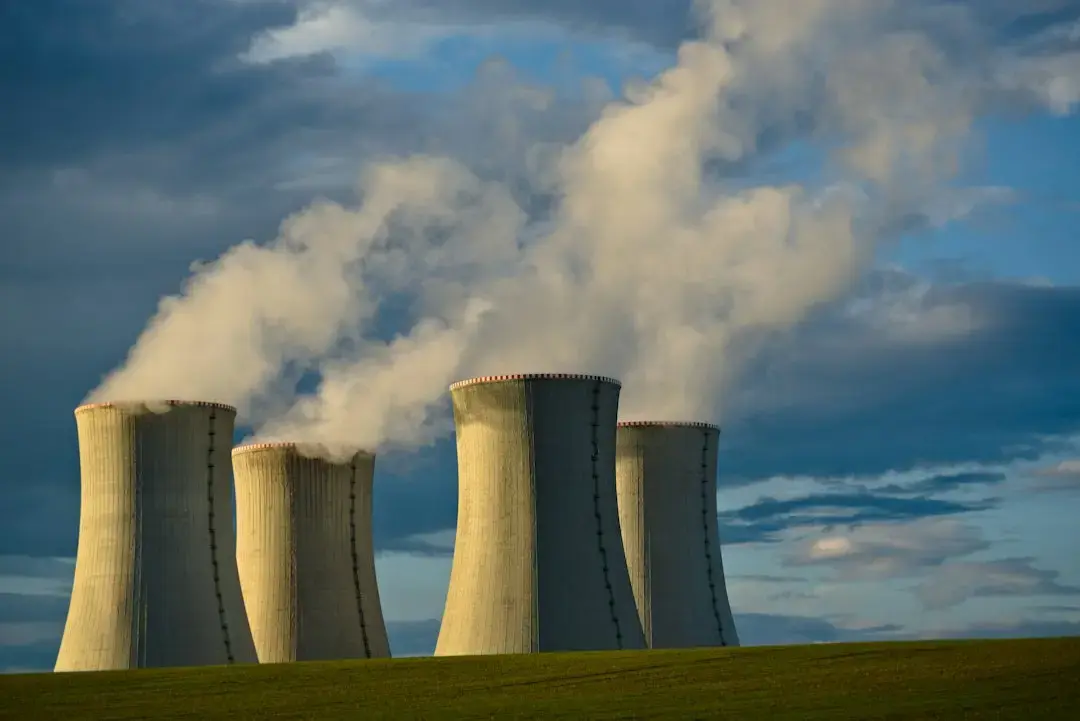
Why the Shift Toward Nuclear Is Gaining Momentum
Southeast Asian governments are revisiting nuclear energy as electricity demand climbs, supply shocks intensify, and climate pledges tighten. Countries such as Indonesia, the Philippines, Vietnam, and Thailand are exploring new reactors, while regional bodies discuss safety standards and financing options.
Breaking news
 Trump Rejects AI Safety Measures Amid China Competition
 Behavioral Health and the Justice System: Accreditation and Continuity-of-Care Standards for Justice-Involved Individuals
 Britney Spears Dazzles in Bold Lingerie Shoot
 South Korea Weighs Strong Response After DMZ Landmine Blast
The surge in power needs, combined with disruptions in fossil fuel supplies and a push to cut greenhouse‑gas emissions, has prompted policymakers to look beyond renewables alone. Nuclear offers steady, low‑carbon output, but critics cite high costs, waste disposal challenges, and public apprehension.
Governments argue that nuclear power can provide a reliable base load to complement intermittent renewables. Recent studies estimate that a single 1,000‑megawatt plant could supply up to 10% of a country’s electricity grid. Analysts point out that regional energy markets are becoming more integrated, making large‑scale projects financially viable. However, the region still lacks a unified regulatory framework, and public opinion remains divided after past incidents in other parts of the world.
Can Southeast Asia Overcome the Barriers to Nuclear Development?
Key obstacles include securing long‑term financing, building local technical expertise, and addressing waste management. Several nations have already signed memoranda of understanding with international partners to share technology and training. Yet, the high upfront capital and lengthy construction timelines mean that projects may not start delivering power for a decade or more. Public consultation processes are also under scrutiny, as communities demand transparent safety measures.
The future of nuclear in Southeast Asia hinges on balancing economic feasibility, environmental goals, and social acceptance. If successful, the region could reduce its reliance on imported coal and oil, while meeting its climate commitments. Failure to address the hurdles could keep nuclear plans on hold, forcing countries to rely more heavily on fossil fuels or costly renewable expansions.
Frequently Asked Questions
What are the main economic concerns for nuclear projects in Southeast Asia? High initial investment costs and long construction periods make financing difficult. Governments often need international loans or public‑private partnerships to cover the upfront outlay.
How does nuclear energy fit into Southeast Asia’s climate strategy? Nuclear provides low‑carbon, steady output that can help meet emission reduction targets while supporting the integration of variable renewable sources.
What steps are being taken to address public safety and waste disposal? Countries are drafting stricter safety regulations, engaging communities in decision‑making, and exploring partnerships for secure waste storage facilities.
