Why the Court Found the Map Unconstitutional
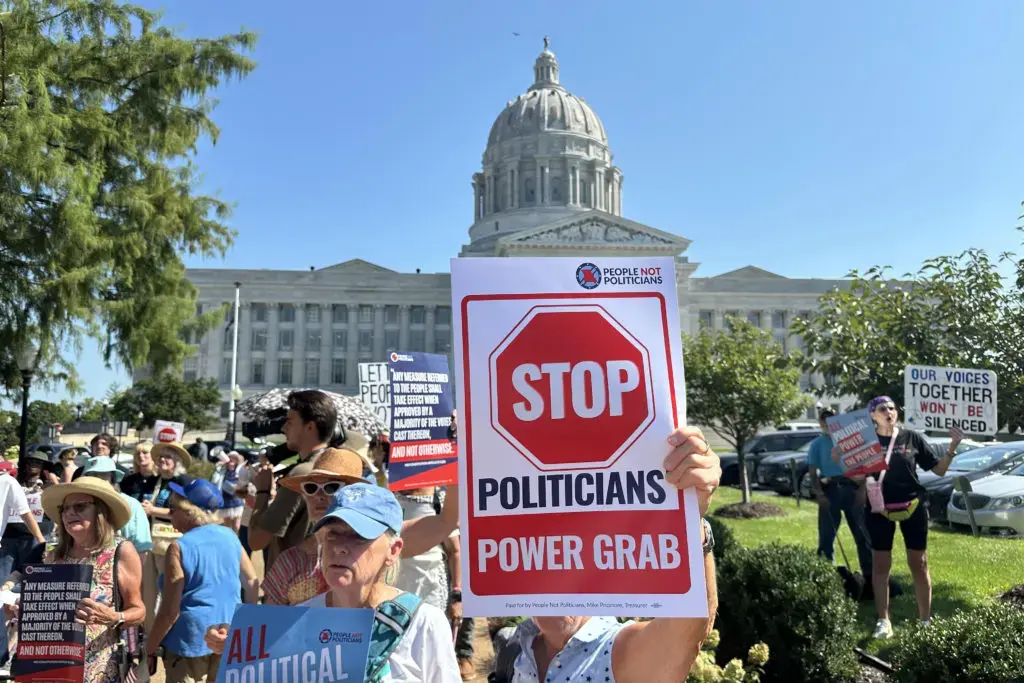
A Missouri state court has struck down a Republican-drawn congressional map backed by former President Donald Trump, ruling it must be submitted to voters for approval. The decision came on September 4, 2026, after challengers argued the map unfairly diluted Democratic voting power in urban areas like St. Louis and Kansas City. The court found the redistricting plan violated state constitutional requirements for fair and competitive elections.
Breaking news
 Deadly Glacier and Rock Collapse in Nepal Linked to Climate Warming
 US Congress Passes Sweeping Sanctions Against Russia
 Speaker Johnson Ends House Session Early to Halt Impeachment Effort
 The High-Stakes Fight for Senate Majority Control
The ruling stems from a lawsuit filed by voting rights groups and Democratic voters who claimed the map packed Democratic voters into just two districts while spreading Republican voters across six others to maximize GOP advantage. Internal Republican communications showed lawmakers aimed to secure six of eight seats despite Democrats receiving nearly 45% of the statewide vote in recent elections. The court ordered the legislature to either draw a new map or submit the current one to a public referendum within 60 days.
What Happens If Voters Reject the Map?
Judges determined the map failed to meet Missouri’s constitutional standard requiring districts to reflect the political preferences of the electorate. Expert testimony revealed that under the proposed map, Republicans would win six seats even in years when Democrats won the statewide vote by up to five points. The court cited precedent from similar cases in other states where extreme partisan gerrymandering was struck down for undermining democratic accountability. Lawyers for the plaintiffs presented email exchanges showing GOP consultants celebrated the map’s ability to „lock in” Republican control regardless of voter sentiment.
If the referendum fails, Missouri must adopt an interim map drawn by a bipartisan commission or face court-imposed boundaries ahead of the 2028 elections. State officials warn a rejected map could delay candidate filing and create confusion for voters unfamiliar with new district lines. However, voting rights advocates argue the process ensures maps reflect community interests rather than partisan scheming. The legislature has not yet indicated whether it will appeal the ruling or comply with the court’s order to put the map to a vote.
How Might This Affect Future Redistricting Efforts?
The decision could embolden challengers in other states to pursue similar legal strategies against maps deemed excessively partisan. With several federal lawsuits pending over redistricting in the South and Midwest, Missouri’s ruling adds momentum to efforts demanding transparency and fairness in mapmaking. Experts say if voters reject the map, it may signal growing public resistance to gerrymandering, even in traditionally Republican-leaning states.
Why did the court order a voter referendum instead of drawing a new map itself? The court deferred to the legislature’s constitutional authority to redistrict but insisted the map must gain voter approval to be valid, citing state law requiring public endorsement of significant electoral changes.
Frequently Asked Questions
What makes this map different from previous Missouri congressional maps? Unlike earlier maps that had bipartisan support or were drawn by courts, this one was created exclusively by Republican lawmakers using advanced data to maximize partisan advantage, which the court found violated fairness standards.
Could the referendum delay the 2026 congressional elections? No, the referendum applies to maps for the 2028 election cycle. Current district boundaries remain in place for the 2026 races unless changed through separate legal action.