Are the Poorest Being Left Behind Despite Wide Coverage?
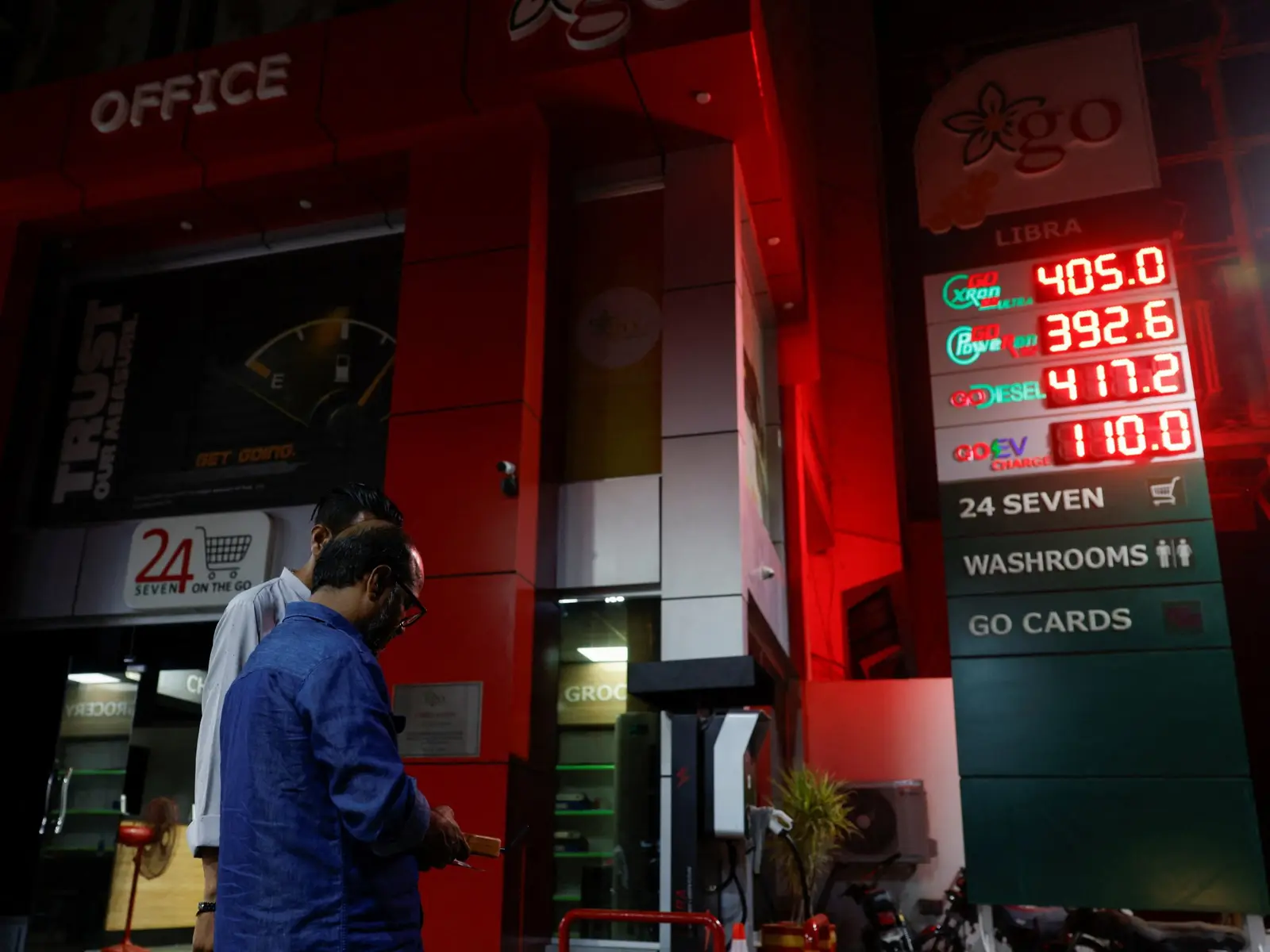
Pakistan’s government has rolled out a petrol subsidy programme reaching millions of citizens as part of efforts to ease the burden of rising living costs. The initiative, launched in response to inflationary pressures and volatile global oil prices, aims to provide temporary relief to households across urban and rural areas. Officials say the measure is designed to stabilise transport and household energy expenses during a period of economic uncertainty.
Breaking news
 Ronna McDaniel Weighs In on GOP's Path Forward
 Market Sentiment Shifts as S&P 500 Snaps Three-Day Losing Streak
 Voters Demand Stronger Congressional Oversight of Presidential Power
 Pelosi Looks Back, Sees Democratic Triumph Ahead
The subsidy covers a portion of fuel costs at the pump, with eligibility tied to specific income thresholds and vehicle types. While authorities report widespread uptake, particularly among middle- and low-income families using motorcycles and small cars, implementation has faced challenges in remote regions where distribution networks are weaker. Economists note that the programme’s targeting mechanism relies on self-declaration and utility bill data, which may exclude informal workers and those without formal documentation.
Critics argue that the subsidy’s design inadvertently overlooks the most vulnerable populations, including daily wage labourers and residents of informal settlements who often lack registered addresses or bank accounts. These groups, economists say, are disproportionately affected by fuel price hikes due to their reliance on affordable transport for work and access to services. Although the government claims broad reach, field reports suggest gaps in awareness and access, particularly in Balochistan and interior Sindh, where administrative outreach remains limited.
What Happens When Global Oil Prices Shift Again?
Some analysts warn that without adjustments to include non-documented beneficiaries, the policy risks reinforcing existing inequalities. They recommend expanding verification methods to include community-based identification and mobile registration drives to improve inclusivity. The finance ministry has acknowledged feedback and said it is reviewing mechanisms to enhance coverage in future phases.
The subsidy is currently funded through a mix of budget reallocations and external financing, making it sensitive to shifts in international markets. If oil prices rebound sharply, sustaining the current level of support could strain public finances, potentially leading to future adjustments or rollbacks. Officials stress that the measure is temporary and tied to quarterly reviews of economic indicators.
For now, many Pakistanis continue to benefit from lower fuel costs at the pump, reporting reduced expenses on commuting and goods transport. Yet the debate continues over how best to balance immediate relief with long-term fiscal responsibility and equitable access to social support.
Frequently Asked Questions
Who qualifies for the petrol subsidy in Pakistan? Eligibility is based on income levels, vehicle type, and registration status, with priority given to low- and middle-income households using motorcycles or small cars. Applicants must provide identification and utility records to verify status.
Why do some economists say the most needy are missing out? Experts point out that informal workers and those without formal documentation often fall through the cracks of the current verification system, which relies on bank accounts and utility bills not accessible to all.
Is the fuel subsidy a permanent policy? No, the government describes it as a temporary measure subject to regular review, with continuation depending on inflation trends, global oil prices, and fiscal capacity.