Beyond Bullets: Addressing Root Causes
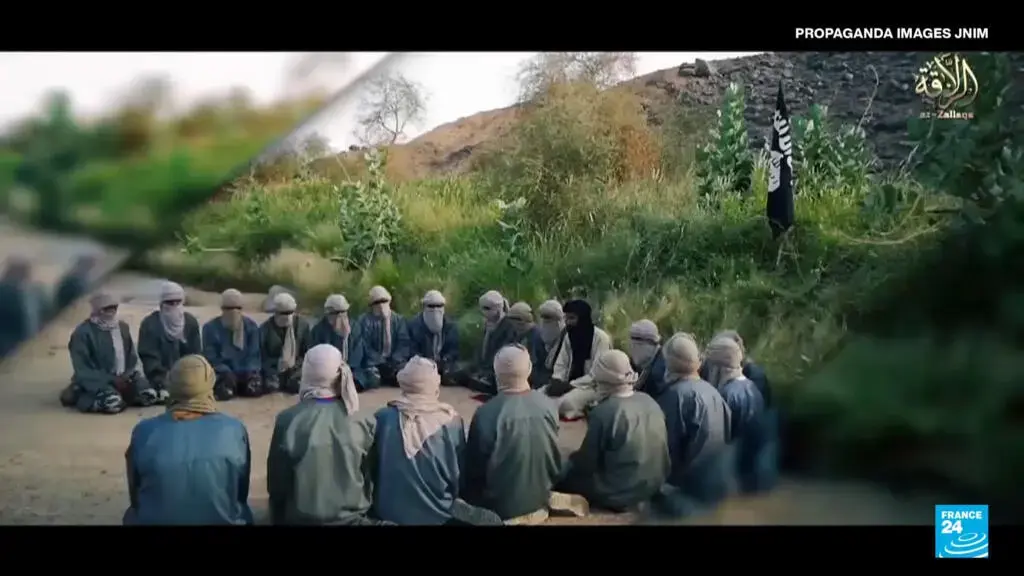
Mali is facing significant challenges in restoring peace and security. The country heavily relies on military interventions. Political scientist Dr. Folahanmi Aina recently discussed this issue. He highlighted the limitations of a solely military approach to conflict resolution.
Breaking news
 Deadly Glacier and Rock Collapse in Nepal Linked to Climate Warming
 US Congress Passes Sweeping Sanctions Against Russia
 Speaker Johnson Ends House Session Early to Halt Impeachment Effort
 The High-Stakes Fight for Senate Majority Control
Mali has experienced ongoing instability for years. This includes armed conflict and political turmoil. The government’s primary response has been increased military spending and operations. However, this strategy hasn’t delivered lasting results. It often exacerbates existing tensions and fails to address the root causes of conflict. Dr. Aina argues that a more comprehensive approach is needed.
Aina emphasizes the importance of understanding the complex factors driving conflict in Mali. These include poverty, inequality, and lack of access to essential services. These issues create grievances that armed groups exploit. Simply suppressing these groups with military force doesn't solve the underlying problems. It can even fuel further radicalization and recruitment.
Can Mali Shift Its Security Paradigm?
„The over-reliance on military solutions is a symptom of a deeper issue,” Aina explains. „It reflects a failure to invest in long-term development and good governance.” He suggests that strengthening local institutions and promoting inclusive economic growth are crucial steps. These actions can address the conditions that allow conflict to flourish.
The current situation presents a difficult dilemma for Mali. The government faces pressure to demonstrate its ability to protect citizens. This often leads to prioritizing short-term military gains over long-term stability. Shifting away from this mindset requires a fundamental change in strategy. It also demands significant investment in social and economic programs.
This transition won't be easy. It requires political will and a commitment to addressing the needs of all Malians. International partners can play a supportive role. They can provide financial and technical assistance. However, the ultimate responsibility for achieving peace and security lies with the Malian government and its people. Failure to diversify security strategies risks prolonged instability and continued suffering.
Frequently Asked Questions
What are the main drivers of conflict in Mali? Poverty, inequality, and limited access to basic services contribute to unrest. These conditions create fertile ground for recruitment by armed groups. Addressing these root causes is essential for lasting peace.
Why has a military-focused approach been ineffective? Military solutions often suppress symptoms rather than addressing the underlying problems. This can lead to further radicalization and a cycle of violence. A comprehensive strategy is needed.
What role can international partners play? International partners can provide financial and technical support. They can assist Mali in developing and implementing long-term development programs. However, Mali must lead the effort.